
SRJ Piping India company logo – leaders in fire protection, industrial piping, and heavy structural fabrication solutions

5 Things Fire Extinguisher Services in Bangalore Have Done in 2025

In the dynamic urban landscape of Bangalore, where technological innovation meets burgeoning infrastructure, fire safety remains a paramount concern. While the fundamental need for regularly serviced fire extinguishers persists, the methods and technologies employed by service providers have evolved significantly. 

The year 2025 marks a pivotal point where traditional maintenance practices have been augmented, if not entirely transformed, by innovative technologies, advanced diagnostics, and a heightened focus on sustainability.

Maintaining and servicing these critical devices is no longer just a compliance check; it’s a proactive, tech-driven endeavor. Fire extinguisher services in Bangalore, such as those offered by SRJ Piping India, have adapted to these changes, ensuring that businesses and landlords are equipped with the most reliable and efficient fire protection available. 

Here are five significant advancements and actions fire extinguisher services in Bangalore have undertaken in 2025:

Embraced AI-Powered Predictive Inspections for Proactive Readiness

Moving far beyond simple visual checks, fire extinguisher services in 2025 leverage Artificial Intelligence (AI) and the Internet of Things (IoT) for predictive maintenance. Instead of merely conducting monthly or annual checks, extinguishers are now often equipped with smart sensors that continuously monitor critical parameters such as:

  • Internal Pressure: Real-time data alerts service providers to gradual pressure drops, allowing for intervention before an extinguisher becomes non-functional.
  • Temperature Fluctuations: Monitoring ambient temperature helps identify environments that could compromise an extinguisher’s integrity or performance.
  • Location and Accessibility: GPS and proximity sensors ensure extinguishers are in their designated spots and are easily accessible, immediately flagging any relocation or obstruction.

AI algorithms analyze this continuous data to predict potential failures, enabling service teams to schedule maintenance proactively and ensure optimal readiness at all times. This shift from reactive repairs to predictive maintenance signifies a significant leap in reliability.

Implemented Advanced Material Analysis and Corrosion Prevention Techniques

Corrosion has historically been a silent threat to fire extinguishers, primarily due to their steel or aluminum construction. In 2025, Bangalore’s fire extinguisher services have adopted sophisticated methods to combat this issue effectively:

  • Ultrasonic Testing: Non-destructive ultrasonic testing allows technicians to detect microscopic internal corrosion or thinning of cylinder walls without discharging the extinguisher, providing a precise assessment of its structural integrity.
  • Advanced Coatings and Materials: New extinguishers often feature enhanced internal and external coatings designed to resist corrosion in harsh environments. Service providers are also knowledgeable in applying specialized protective treatments during maintenance.
  • Humidity and Environmental Monitoring: Integrating environmental sensors in storage areas helps monitor humidity levels, a key factor in corrosion, enabling preventive measures such as dehumidification.

This ensures that the internal and external condition of every extinguisher is rigorously evaluated using cutting-edge technology, extending its lifespan and effectiveness.
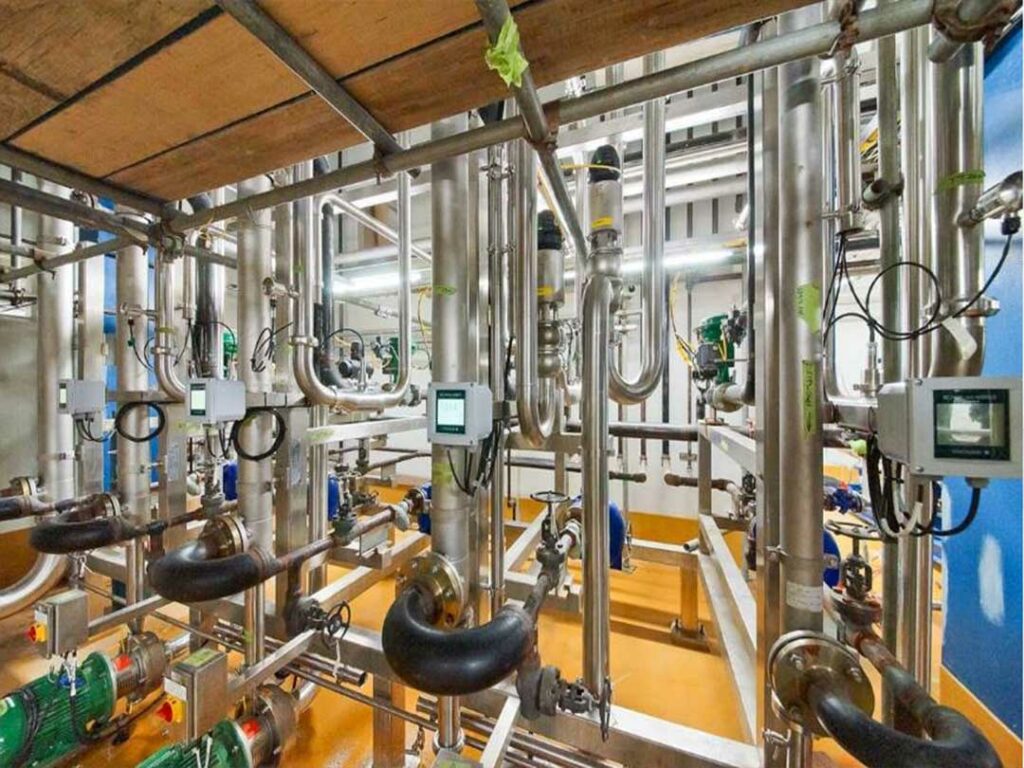
stainless steel fabrication

Fortified Against Tampering with Smart Security and Real-Time Alerts

Fire extinguishers in both public and private spaces remain susceptible to tampering, which can render them ineffective in an emergency. In 2025, services will have significantly enhanced their ability to detect and prevent such acts:

  • Smart Tamper Seals and Locking Pins: Extinguishers are fitted with digitally traceable tamper seals and locking pins that integrate with IoT networks. Any unauthorized removal or breakage triggers an immediate alert to facility managers and service providers.
  • Integrated Surveillance: In high-risk areas, fire extinguishers are part of a comprehensive security surveillance system, which includes cameras and motion sensors, providing visual confirmation of any suspicious activity around the units.
  • Digital Audit Trails: Every interaction with an extinguisher—from inspection to usage—is logged digitally, creating an immutable audit trail that helps identify any irregularities.

This proactive monitoring ensures that signs of tampering, such as a broken head cap seal or a missing locking pin, are detected immediately, allowing for a rapid investigation and restoration of the device.

Ensured Uninterrupted Discharge with Proactive Hose and Nozzle Diagnostics

A blocked or damaged hose or nozzle can render a fire extinguisher ineffective, regardless of the agent inside. In 2025, services have deployed advanced diagnostics to ensure unimpeded flow:

  • Endoscopic Inspections: Miniature endoscopes are used to visually inspect the internal lumen of hoses and nozzles for blockages, debris, or insect nests, which can be invisible from the outside.
  • Smart Flow Sensors: Some advanced systems incorporate micro-sensors within the discharge mechanism that can detect restricted flow or blockages during routine pressure tests, alerting technicians to potential issues.
  • Automated Cleaning Cycles: For specific systems, automated micro-flushing or air-purging cycles are being explored to prevent the accumulation of dust or debris in hoses, especially in industrial settings.

Qualified engineers are now equipped with these tools to proactively identify and replace compromised hoses or connector O-rings before they fail in a critical situation, ensuring that the suppression agent can be discharged effectively and efficiently.

Prioritized Eco-Friendly & Data-Driven Recharging with Precision Content Management

Leakage and depletion of fire suppression contents are common issues that require prompt attention. In 2025, the focus is not just on refilling but on doing so precisely, sustainably, and with comprehensive data tracking:

  • Eco-Friendly Agent Prioritization: Services actively promote and use sustainable and environmentally friendly extinguishing agents (e.g., non-ozone-depleting, low GWP alternatives to Halon, and biodegradable foams) where applicable, aligning with global environmental standards.
  • Precision Refilling Systems: Automated refilling stations ensure accurate measurement and optimal pressure for each extinguisher type, minimizing waste and maximizing the effectiveness of each extinguisher.
  • Digital Content Tracking: Detailed records of the type and quantity of extinguishing agent are digitally maintained for each cylinder, along with its service history, expiry dates, and recharge cycles. This data helps in managing inventory and ensuring compliance.
  • Root Cause Analysis for Leakage: Engineers use advanced leak detection equipment to thoroughly investigate the cause of any leakage, not just refilling, but also addressing the underlying problem to restore the device to a reliable working condition.

This ensures that cylinders are recharged with the proper contents, their integrity is maintained, and environmental impact is minimized, all of which is tracked with robust data for transparency and efficiency.

Conclusion

SRJ Piping India remains a trusted partner in fire safety in Bangalore, diligently implementing these advanced practices. By seamlessly integrating the latest technologies and adhering to stringent regulations from the Karnataka Fire & Emergency Services and international standards, such as NFPA 10, they ensure that Bangalore’s homes and workplaces are equipped with the most advanced and reliable fire protection. 

The emphasis in 2025 is on a holistic, intelligent, and sustainable approach to fire extinguisher services, contributing to a safer and more secure future for the city.

In 2020, Bangalore’s fire extinguisher services underwent remarkable transformations to enhance safety standards. Many providers adopted contactless maintenance protocols, aligning with global best practices from the NFPA’s Emergency Response Guidelines. Locally, companies like SRJ Piping India integrated these updates with their Annual Maintenance for Fire Extinguishers to ensure compliance without compromising safety. Another key shift was the rise of digital service tracking—now recommended by OSHA’s Fire Safety Standards—which we’ve detailed in our guide to Smart Fire Safety Equipment. These innovations, combined with upgraded training programs, positioned Bangalore’s fire safety ecosystem to better handle emergencies during the pandemic and beyond.