SRJ Piping India company logo – leaders in fire protection, industrial piping, and heavy structural fabrication solutions

Preventing Equipment Support Structure Failures: A Proactive Guide to Machinery Safety and Uptime

Table of Contents

Equipment support structure failure can lead to catastrophic damage to machinery, costly downtime, and, in severe cases, safety hazards. Reacting to failures is expensive and disruptive. A proactive approach, focusing on prevention, is key to achieving long-term operational stability and reducing risks. 

This guide will provide actionable strategies you can implement to safeguard your industrial operations, extend the lifespan of your critical infrastructure, and minimize unexpected disruptions.

Understanding Common Industrial Risks

Several factors can contribute to the failure of equipment support structures. Identifying and addressing these risks early is crucial for preventing costly incidents. Here are some of the most prevalent issues:

  • Corrosion: The gradual degradation of materials due to chemical reactions with the environment is a significant threat to materials. Corrosion weakens support structures, making them susceptible to failure under normal operating loads.
  • Vibration: Machinery vibration, if not properly isolated and managed, can induce fatigue in support structures, leading to cracks and eventual failure. Resonance, where the frequency of vibration matches the natural frequency of the support, amplifies these effects.
  • Load Exceedance: Exceeding the designed load capacity of a support structure, whether due to changes in equipment, operational processes, or unforeseen events, can cause immediate or gradual structural damage.
  • Foundation Settlement: Uneven or excessive settlement of the foundation supporting equipment can introduce stresses and strains that compromise the integrity of the support structure.
  • Anchor Bolt Failure: Anchor bolts, which secure equipment to its foundation, are critical components. Corrosion, improper installation, or fatigue can lead to anchor bolt failure, potentially destabilizing the entire system.
  • Seismic Activity: Earthquakes can impose significant dynamic loads on equipment and their supports. Inadequate seismic design can result in catastrophic failures during seismic events.
External industrial framework showing complex exposed structural supports and diagonal bracing design.

Strategies for Equipment Support Structure Integrity

Implementing proactive strategies is the cornerstone of preventing equipment support structure failure. These strategies encompass design considerations, regular inspections, scheduled maintenance, and the use of advanced technologies.

Material Selection & Design Considerations

Choosing the right materials and incorporating sound design principles are fundamental to ensuring the long-term reliability of equipment support structures.

  • Material Selection: Selecting materials resistant to corrosion and fatigue is crucial. Consider using coated steel, stainless steel, or composite materials in environments with corrosive conditions. Ensure materials meet relevant industry standards and specifications.
  • Structural Design: Proper structural design, including load calculations and stress analysis, is essential. Design support structures to withstand the anticipated static and dynamic loads, including vibration, wind, and seismic forces. Engage qualified structural engineers for design and review.
  • Welding and Fabrication: Ensure that certified professionals perform welding and fabrication according to established codes and standards. Proper welding techniques and quality control are critical for preventing weak points in the structure.
  • Foundation Design: A stable and properly designed foundation is paramount. Conduct thorough geotechnical investigations to assess soil conditions and create the foundation accordingly. Consider the potential for settlement and incorporate appropriate measures to mitigate its effects.
  • Equipment Vibration Isolation: Implement vibration isolation techniques to minimize the transmission of vibration from machinery to the support structure. This can involve using vibration isolators, dampers, or flexible connections to mitigate the effects of vibration. Understanding equipment vibration characteristics is key to effective isolation. 

Regular Inspection & Monitoring Techniques

Regular inspections and monitoring are essential for detecting early signs of deterioration or distress in equipment support structures.

  • Visual Inspections: Conduct routine visual inspections to identify signs of corrosion, cracks, deformation, and loose connections. Document all findings and promptly address any issues that arise.
  • Non-Destructive Testing (NDT): Employ NDT methods, such as ultrasonic testing, magnetic particle testing, and radiography, to detect subsurface flaws and assess material integrity. NDT can reveal hidden damage before it leads to failure.
  • Vibration Monitoring: Implement vibration monitoring programs to track machinery vibration levels and identify potential problems. Analyze vibration data to detect imbalances, misalignments, and other mechanical issues.
  • Corrosion Monitoring: Utilize corrosion monitoring techniques, including corrosion coupons and electrochemical sensors, to evaluate the rate of corrosion and the effectiveness of corrosion control measures.
  • Settlement Monitoring: Regularly monitor foundation settlement using surveying techniques or settlement gauges to ensure accurate measurement. Track settlement trends and investigate any significant changes.

Scheduled Maintenance & Servicing Protocols

Scheduled maintenance is crucial for preserving the integrity of equipment support structures and preventing failures.

  • Cleaning and Lubrication: Regularly clean support structures to remove dirt, debris, and corrosive substances. Lubricate moving parts to reduce friction and wear.
  • Tightening and Adjustments: Periodically tighten loose connections and adjust components to maintain proper alignment and function.
  • Corrosion Protection: Apply protective coatings, such as paint or epoxy, to prevent corrosion. Regularly inspect and repair coatings as needed. 
  • Anchor Bolt Maintenance: Inspect anchor bolts for signs of corrosion, damage, and ensure they are properly torqued. Retighten or replace anchor bolts as necessary. 
  • Structural Repairs: Promptly repair any structural damage, including cracks or deformations. Consult with qualified structural engineers to develop appropriate repair procedures.

Technological Solutions for Early Detection

Advanced technologies offer powerful tools for detecting potential problems early and improving the effectiveness of maintenance efforts.
  • Infrared Thermography: Utilize infrared thermography to identify hot spots or temperature anomalies that may indicate loose connections, insulation failures, or other issues.
  • Ultrasonic Leak Detection: Utilize ultrasonic leak detectors to pinpoint leaks in piping systems and compressed air systems.
  • Laser Scanning: Utilize laser scanning to create detailed 3D models of support structures. Compare scans over time to detect deformation or movement.
  • Wireless Sensors: Deploy wireless sensors to monitor vibration, temperature, corrosion, and other parameters in real-time. Wireless sensors provide continuous monitoring and can trigger alerts when conditions exceed pre-defined thresholds.
  • Data Analytics: Utilize data analytics tools to analyze data from various sources, including vibration sensors, corrosion monitors, and inspection reports. Data analytics can help identify trends, predict failures, and optimize maintenance schedules to enhance overall system performance.
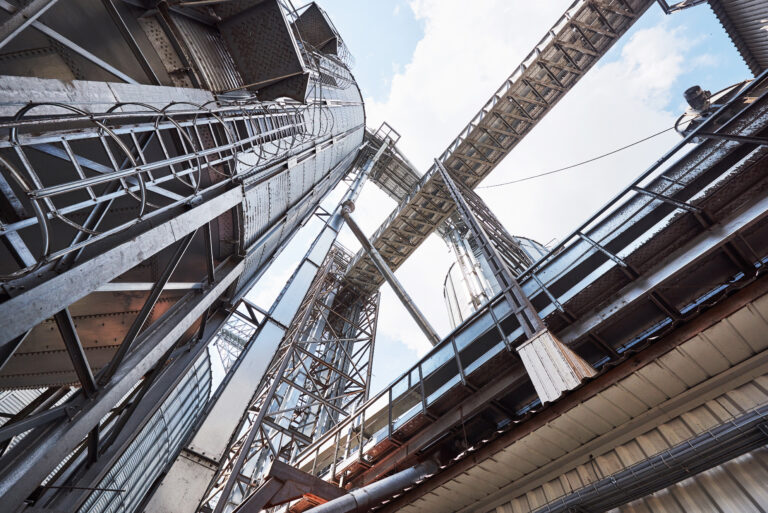
Upward view of steel silos with elevated catwalks and exposed support columns under industrial infrastructure.

Implementing a Robust Prevention Program

A comprehensive prevention program integrates all the strategies discussed above into a cohesive and sustainable system. Here’s a step-by-step framework for establishing such a program:

  • Risk Assessment: Conduct a thorough risk assessment to identify potential failure modes and their associated risks. Prioritize risks based on their likelihood and potential impact.
  • Establish Objectives: Define clear and measurable objectives for the prevention program. Objectives should be aligned with the organization’s overall goals and risk tolerance.
  • Develop Procedures: Develop detailed procedures for inspections, maintenance, and monitoring activities. Procedures should specify the frequency, methods, and acceptance criteria for each activity.
  • Train Personnel: Provide comprehensive training to all personnel involved in the prevention program. Training should cover the identification of potential problems, proper maintenance techniques, and the use of monitoring technologies to ensure optimal performance.
  • Implement the Program: Implement the prevention program in accordance with established procedures and schedules. Ensure that all activities are appropriately documented and recorded.
  • Monitor Performance: Regularly assess the effectiveness of the prevention program to ensure its ongoing success and effectiveness. Track key metrics, such as the number of failures, downtime, and maintenance costs.
  • Review and Improve: Periodically review the prevention program to identify areas for improvement and refinement. Incorporate lessons learned from past failures and adapt the program to changing conditions.
  • Documentation: Maintain detailed records of all inspections, maintenance activities, monitoring data, and program reviews. Documentation is essential for tracking progress, identifying trends, and demonstrating compliance.

Case Studies in Prevention

Real-world examples demonstrate the tangible benefits of maintaining a proactive equipment support structure. Here are two such scenarios:

Scenario 1: Chemical Processing Plant

A chemical processing plant experienced frequent leaks and failures related to corrosion in its piping systems. Implementing a proactive corrosion control program, including material upgrades, protective coatings, and regular inspections, reduced the number of leaks by 80% and extended the lifespan of the piping systems by 50%. This resulted in significant cost savings and improved plant safety.

Scenario 2: Manufacturing Facility

A manufacturing facility experienced excessive vibration in its machinery, leading to fatigue cracks in the support structures. Implementing a vibration monitoring program, along with vibration isolation measures, reduced vibration levels by 70% and eliminated the fatigue cracking problem. This improved machinery reliability and extended the lifespan of the support structures.

Conclusion

Preventing equipment support structure failure is not merely a matter of compliance; it’s a strategic imperative that directly impacts operational efficiency, safety, and long-term profitability. 

By understanding common risks, implementing proactive strategies, and establishing a robust prevention program, you can significantly reduce the likelihood of failures, minimize downtime, and extend the lifespan of your critical infrastructure.

Schedule a preventive maintenance audit with our expert team to identify potential vulnerabilities and develop a customized prevention plan tailored to your specific needs. Contact us for expert solutions and support in optimizing your equipment support structure maintenance program.

Take control of your facility’s integrity today.

Preventing Equipment Support Structure Failures: Protect Machinery & Uptime

Avoid structural collapse and unplanned downtime — book your preventive maintenance audit with SRJ experts now.