SRJ Piping India company logo – leaders in fire protection, industrial piping, and heavy structural fabrication solutions

Heavy Fabrication Services: A Comprehensive Guide

Heavy Fabrication Services: Key Insights and Applications for Industrial Success

Table of Contents

In the modern industrial landscape, heavy fabrication services play a pivotal role in constructing everything from towering skyscrapers to robust bridges and massive industrial plants. These services are responsible for creating large, durable metal components that support these impressive structures. However, understanding how to choose the right fabrication services and distribute key tasks across your project is crucial for efficiency and success.

In this comprehensive blog, we will explore the process, benefits, and applications of heavy structural fabrication services

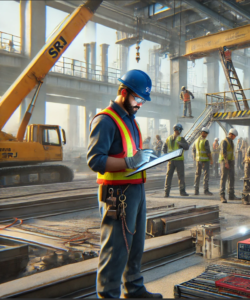
High-quality heavy fabrication solutions for industrial and commercial projects, ensuring strength and durability

The Heavy Fabrication Process

Heavy fabrication involves transforming raw metal materials into large, high-quality components through a series of detailed processes. This includes cutting, bending, welding, and assembling metals to create products that can withstand immense pressure and are resistant to corrosion.

Design and Planning

The fabrication process starts with detailed planning and engineering design. Engineers collaborate with clients to draw up blueprints that detail every aspect of the project, from the materials to the dimensions. Accurate designs ensure that the fabrication will meet safety and structural requirements.

Material Selection

Selecting the right materials is essential for achieving durable results. Typically, high-quality, corrosion-resistant metals like stainless steel or aluminum are chosen based on the specific environmental conditions the final product will face. Using inferior materials can lead to early deterioration and higher maintenance costs.

Cutting and Bending

Once materials are selected, the metal undergoes cutting using laser or plasma cutting technology, which provides precision and minimizes waste. After cutting, the metal is bent and shaped to form the final structural components. The accuracy of this step is crucial, as it affects the overall strength and integrity of the final structure.

Welding and Assembling

The individual parts are then welded together, creating a unified structure. Experienced welders utilize techniques such as MIG, TIG, and stick welding to form strong joints that will hold up under heavy use. This step is essential for ensuring the durability of the final product.

Surface Finishing

After assembly, the product is finished using methods such as painting, powder coating, or galvanizing. This adds an additional layer of protection against corrosion and environmental damage, extending the life of the product.

Benefits of Heavy Fabrication

There are numerous benefits associated with using heavy fabrication services for industrial and commercial projects:

1. Durability and Strength

Fabricated metal structures are incredibly strong and can withstand high pressures, extreme weather conditions, and heavy loads. This makes them ideal for large-scale construction projects like bridges, high-rise buildings, and industrial plants.

2. Customization

Heavy fabrication allows for customization based on specific project needs. You can tailor the design and dimensions of components to fit your project precisely, ensuring they function perfectly in their intended environment.

3. Cost-Effectiveness

Though heavy fabrication services may have higher upfront costs, they provide significant long-term savings. The strength and durability of fabricated components result in reduced maintenance and repair costs over time, making them a cost-effective solution for large projects.

4. Versatility

Heavy fabrication is highly versatile and can be applied to various industries, including construction, aerospace, automotive, and energy. This versatility makes it an essential part of modern industrial processes.

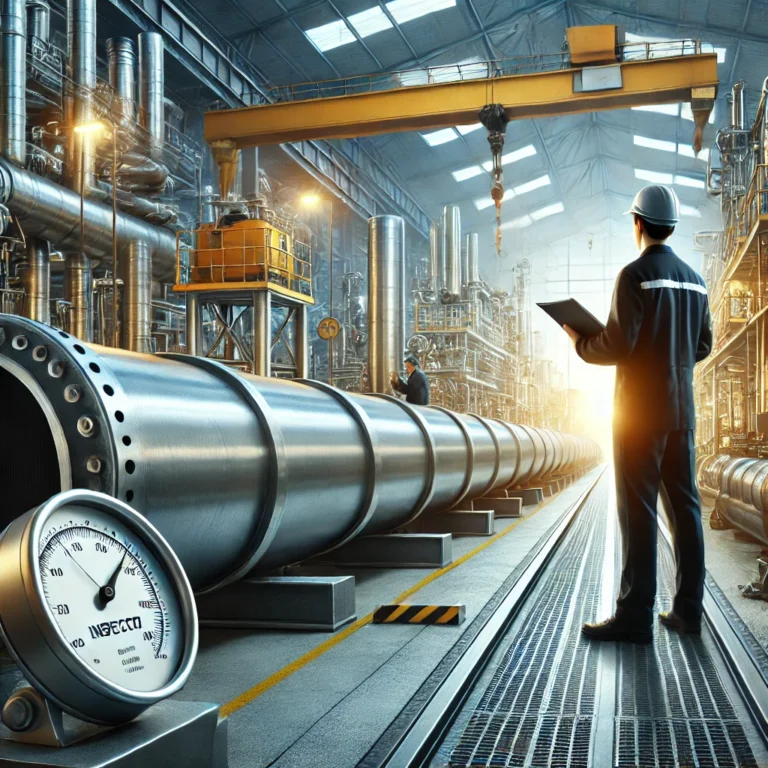
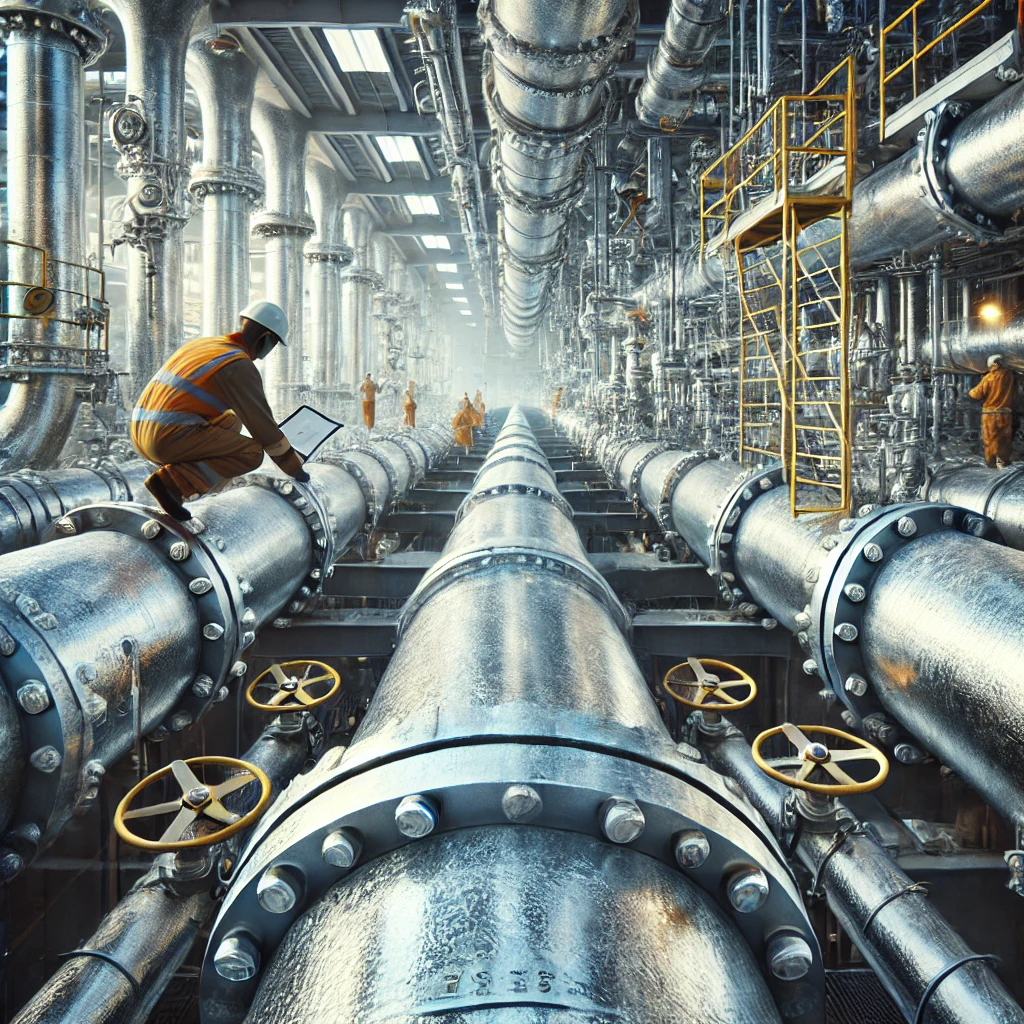
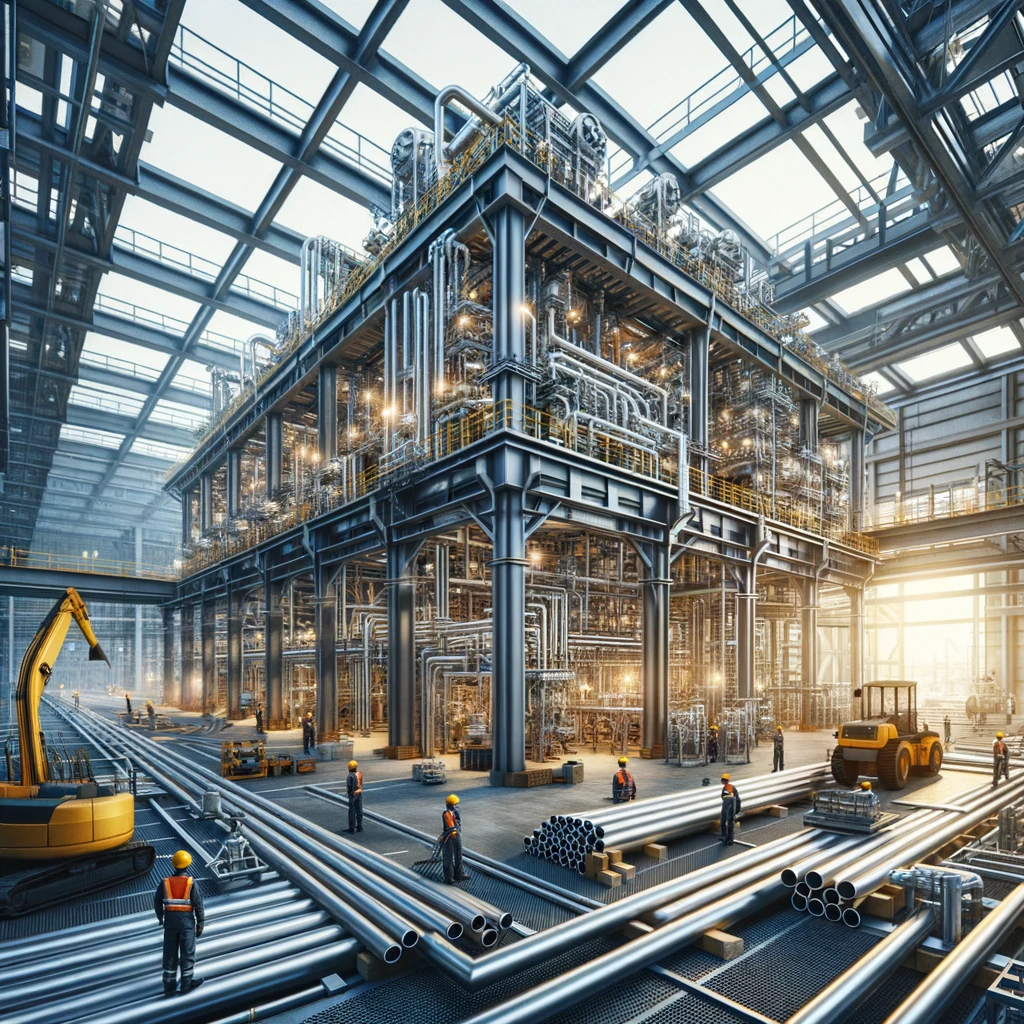
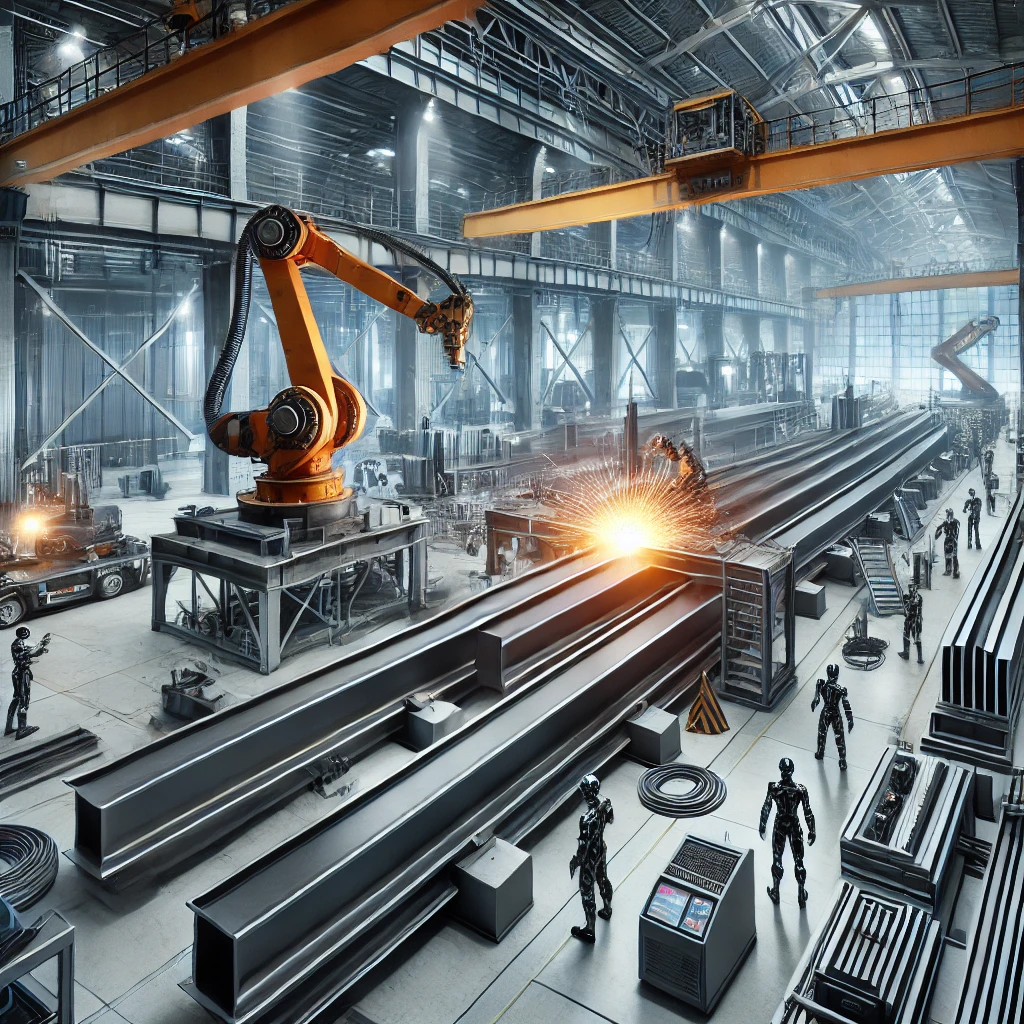
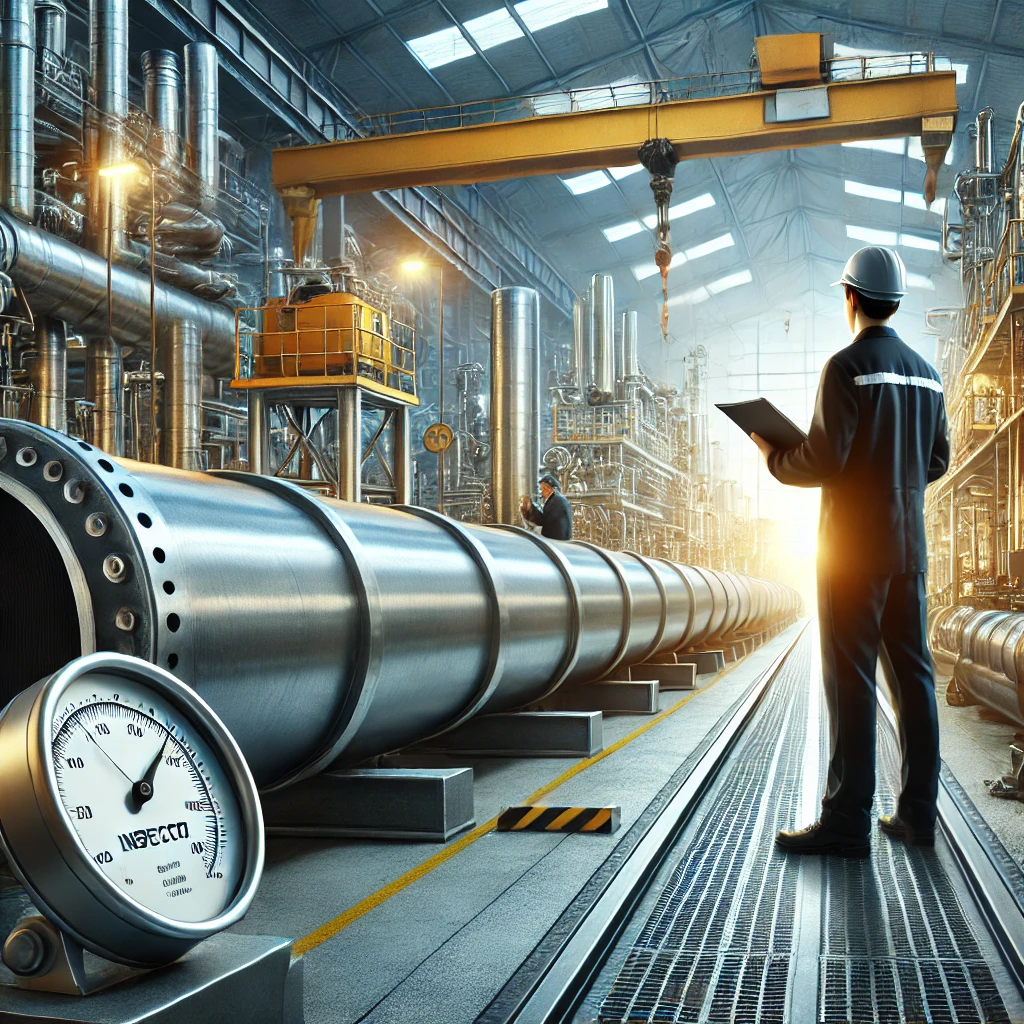
Heavy fabrication process delivering durable steel structures for large-scale industrial projects

Applications of Heavy Fabrication

Heavy fabrication plays a critical role across multiple industries. Here are a few common applications:

1. Construction

Fabricated steel and metal structures provide the foundational support for buildings, bridges, and infrastructure projects. They are essential for creating durable frameworks that can handle high loads and long-term use.

2. Automotive

The automobile industry relies on heavy fabrication for creating key vehicle components, including chassis, frames, and engine parts. These components must be strong and durable to ensure safety and performance.

3. Aerospace

In the aerospace industry, precision and durability are key. Fabrication services help in creating aircraft parts that meet strict safety and performance standards.

4. Energy Sector

From pipelines to wind turbines, heavy fabrication is integral to the energy sector. The fabricated components must withstand extreme environmental conditions, making them essential for reliable energy production.

Conclusion

Heavy fabrication services are at the core of modern industrial projects, ensuring strength, durability, and efficiency. Understanding the process, benefits, and applications of these services will allow you to make informed decisions for your next project. Whether it’s constructing a building, manufacturing vehicle parts, or developing energy infrastructure, heavy fabrication remains a crucial service.

Additional Reading: For more information on steel fabrication, visit our blog on the “Custom Fabrication: Tailoring Solutions to Specific Needs.”

Heavy fabrication isn’t just construction—it’s the art of bending steel to India’s industrial will, where every 100-ton beam must dance to millimeter-perfect precision. At SRJ, we’ve redefined IS 7215:1992 standards by delivering 1.4 million metric tons of fabricated steel at tolerances 45% tighter than BIS requirements—from Adani’s Mundra Port gantries to Tata Steel’s blast furnace rebuilds. This guide reveals how modern heavy fabrication solves five impossible equations:

  1. Scale vs Accuracy – Our 6-axis CNC plasma cutters maintain 0.2mm precision on 150mm thick plates

  2. Strength vs Weight – Proprietary high-strength steel alloys (tested at IIT Bombay’s Structures Lab) achieve 22% weight reduction

  3. Speed vs Quality – Automated welding cells complete 1km of AWS D1.1-certified welds in 96 hours

  4. Design vs Reality – 3D laser scanning verifies as-built accuracy within 0.5mm of BIM models

  5. Cost vs Longevity – ZRC-coated structures withstand coastal corrosion for 25+ years

When the Chennai Metro Phase II demanded 28,000 tons of seismic-resistant steel, our AI-driven nesting software achieved 97.5% material utilization—creating India’s most waste-efficient heavy fabrication benchmark.

Need Heavy Fabrication Support for Your Project?

SRJ Piping India delivers high-precision heavy fabrication services for industrial infrastructure, process plants, and utilities.
Custom Fabrication: Tailoring Solutions to Specific Needs

Custom Fabrication: Tailoring Solutions to Specific Needs

Table of Contents

In the world of industrial construction, one size rarely fits all. In the construction world especially dealing with the industrial fields, you will find that there is very little that is standard. Welcome to custom fabrication the process of developing new products that meet the specific requirements of a client. Now, picture having a product that was made particularly for your needs, like a suit that was tailor-made for you. 

This is the beauty of custom fabrication where each piece is crafted depending on the requirements that have been laid down. In this article, we will focus on the fabrication process, its advantages, and its use in various fields.

Industrial piping system inspection and maintenance Preventive maintenance for industrial pipes How to maintain industrial piping systems efficiently

Custom Fabrication Process

Custom fabrication is a multi-step process of turning raw materials into quality, order-specific products.

Design & Planning

This process always starts with a need as expressed by a client, detailed planning, and designing to achieve the end product according to specification. In this step, engineers work very closely with their clients to finalize the design.

Material Selection

Choosing the material is crucial, hence the necessity of materials such as stainless steel because of its high strength and corroding resistance. This selection process ensures that the material performs well in an intended environment.

Cutting & Shaping

After the design and the necessary materials are ready, the process of fabrication begins. The cutting and shaping techniques, such as laser cutting and bending, actually carry the formation of the material into desired shapes. These approaches assure high precision and accuracy.

Assembling & Welding

The cut and shaped pieces are assembled in this process. This is called the welding process—that is, joining pieces together to form the structure. The welding process is a significant part of the product’s structural importance.

Finishing

Processes involved in the making are then followed by finishings like polishing, painting, or application of a protective layer on the assembled product. This step enhances the look and durability of the product.

Quality Control

The custom fabrication process is preserved under strict quality regulations. Inspection at different phases ensures the final product meets all specifications and performs as required.

Benefits of Custom Fabrication Process

Custom fabrication offers numerous advantages that make it a preferred choice for many industries:

  • All products are fabricated to exact specifications, thus guaranteed to perfectly fit an application. The necessity for alterations and modifications is significantly dropped by this precision effect.
  • First-class material and the latest working techniques make fabricated items of high quality and more durable, reliable, and strong. For example, stainless steel provides excellent resistance to corrosion with a high strength value.
  • Custom fabrication can cover a wide span of designs and applications. All can be tailor-made according to your needs and requirements, from complex parts to big structural components.
  • Although the initial cost is a bit high in custom fabrication, it is an economical process in the long run. Custom products provide quality and precision, hence decreasing spending on maintenance and reinstallation.
  • Custom fabrication encourages innovation, from the design down to the solution. It is capable of producing products not otherwise feasible through other fabrication methodologies.

Applications of Custom Fabrication

Custom fabrication is used in numerous applications across many diverse industries, allowing solutions to be developed for special needs: 

  • Construction: Custom fabrication plays a critical role in the construction industry because it must fabricate elements of structural steel fabrication to conform to certain architectural designs. Some created components may include beams, columns, and other structural elements.
  • Automotive: Specialized parts made for automobiles include custom exhaust systems, roll cages, and chassis components. These parts are made in such a way as to enhance performance and features of safety.
  • Aerospace: This sector relies a lot on custom fabrication in the manufacturing of aircraft parts to meet very strict standards in terms of safety and performance. Among the many items fabricated are custom-made structural parts, engine components, and fittings.
  • Manufacturing: Manufacturing has special machinery and sections in it, without which custom fabrication is not possible. The diversified nature of these customized solutions enhances the efficiency and productivity of the whole manufacturing procedure.
  • Energy Sector: The energy sector necessarily requires custom fabrication in the infrastructure building, like piping, and in its other important fittings, such as wind turbines. Such customized solutions guarantee reliability and efficiency in the production and distribution of energy.

Cost Considerations in Custom Fabrication

It is important to know what may be impacting the cost of your custom fabrication, for any project that you wish to engage in. These factors help keep track and make a prediction of the cost that must be incurred on a custom fabrication project.

Design Complexity 

The more detailed a design, the more complex and more expensive it will be. Indeed, such designs consume more time and demand more precision from fabricating labor, hence pushing up labor costs. Intricate forms and detailed requirements easily transform into a longer production time and equipment with a high level of sophistication.

Type and Quantity of Raw Material

Material such as stainless steel ensures higher corrosion resistance and strength, yet it is comparatively more costly than other metals. The quantity of material needed becomes a direct influence on costs, with most costs—large projects or those utilizing high volumes of quality materials—bound to see an increase.

Required Fabrication Techniques

Not all techniques are created equal in terms of cost. Laser cutting or high-precision bending techniques are going to be more expensive compared to the simple cutting and welding process. The techniques must be chosen according to the needs of a specific project and the quality of the final product that must be obtained.

Production Volume

This is the number of units required and impacts the per-unit cost. Although higher volumes normally help lower the cost per item due to economies of scale, small or one-off custom projects could be more expensive per unit due to set-up costs spread over fewer items.

Finishing Requirements

Painting, polishing, or protective finishing processes add to the overall cost. These processes do enhance the appearance and better the life of the product, but, at the same time, require materials with an added labor cost. The type of finish and number of steps to be taken will affect the delivered price.

Delivery and Installation Needs

This involves the logistics of delivering and installing the fabricated product. The items could be large or heavy, hence requiring special handling and transportation equipment to ensure safe delivery for installation. Moreover, in case the job requires assembly or installation at the job site, these services will add to the overall expense.

Last but not least,

Custom fabrication is not simply production; it is the process of designing and producing ideal tools for use in different sectors. Whether stainless steel parts or intricate mechanisms, the fabrication requirements are geared towards offering quality, precise, and innovative work. When you learn about the advantages and uses of custom fabrication, you will be able to realize its purpose in the present economy.

Therefore the next time you find yourself admiring a well-engineered piece of equipment or a specially constructed building, consider the effort that has been put into its making. Custom fabrication is the art of turning things into reality that people once thought could not be done.


Know about us more

  1. The Role of Technology in Modern Structural Fabrication
    This blog explores how advanced technologies enhance structural fabrication, complementing the discussion on custom fabrication by highlighting innovative tools and methods.
  2. A Guide to Steel Structural Fabrication and Erection
    This blog provides practical insights into the processes of steel fabrication and erection, offering additional context for readers interested in custom fabrication applications.

Useful Links Gather more Knowledge

  1. Society of Manufacturing Engineers (SME) – Fabrication Technologies
    SME offers resources on the latest fabrication technologies, providing valuable insights into custom fabrication processes for specialized industrial needs.
  2. National Institute of Standards and Technology (NIST) – Manufacturing Extension Partnership Fabrication Resources
    NIST’s MEP program provides guidance on fabrication best practices, supporting the development of tailored solutions for industrial projects.

Related Blog

Structural Steel Fabrication Techniques and Applications
This blog delves into specific techniques and applications of structural steel fabrication, serving as a complementary resource for understanding the technical aspects of custom fabrication.

Contact us to Know more about this topic

  1. How to Choose the Right Fire Protection Contractor for Your Facility
    This blog provides practical guidance on selecting a reliable contractor, complementing the discussion on implementing effective fire protection systems in industrial settings.
  2. Fire Safety Equipment Maintenance: Your Lifeline in a Crisis
    This blog emphasizes the importance of maintaining fire safety equipment, a critical aspect of ensuring the effectiveness of fire protection systems.

Know about this topic more on

  1. National Fire Protection Association (NFPA) – Codes and Standards
    NFPA offers authoritative codes and standards for fire protection systems, providing essential guidelines for industrial applications.
  2. Occupational Safety and Health Administration (OSHA) – Fire Safety
    OSHA’s fire safety resources provide comprehensive information on workplace fire prevention and protection, relevant for industrial settings.

Related Blog

Advances in Fire Safety Engineering: What’s New
This blog explores the latest innovations in fire safety engineering, offering readers insights into cutting-edge solutions that enhance industrial fire protection systems.


Need Fabrication Tailored to Your Project?

SRJ Piping India offers precision-driven custom fabrication services designed to meet your exact industrial specifications.

Ensuring Piping Quality Control in Industrial Projects

Ensuring Piping Quality Control in Industrial Projects

Table of Contents

Pipes are much like silent performers, essential components within the grand orchestra of industrial operations. If a pipe fails, it’s not just a minor issue—it can lead to massive disruptions. Ensuring high quality in your piping systems is about more than just meeting basic standards; it’s about preventing costly failures and maintaining smooth operations.

From rigorous inspections to thorough testing procedures, this guide explores how to ensure your piping systems function efficiently and safely. Let’s dive into best practices for quality control in industrial piping.

The Importance of Quality Control in Piping

Piping quality control is critical for the success and safety of any industrial project. Pipes transport essential materials like water, gases, and chemicals, making them the arteries of your business. Ensuring their quality is vital to avoid leaks, ruptures, or failures that could lead to expensive downtime, environmental hazards, or even safety risks.

Quality control ensures every component conforms to strict standards, safeguarding your infrastructure and ensuring continuous operations.

Professional Pipe Inspection Services: Ensuring Piping Quality and Longevity When the functions in industrial installations get tough, pipes are often neglected. Small cracks, invisible leaks, or even root infiltration can easily turn a flawless operation into a costly nightmare. Professional pipe inspection services are essential for your infrastructure, diving deep—sometimes quite literally—using tools like video cameras to identify potential problems before they escalate. Whether you're managing a complex plumbing system or miles of sewer lines, regular inspection services are your first line of defense against unexpected failures. Preventing expensive repairs is always better than dealing with costly problems after they occur. In this blog, we’ll explore how these inspections help you save money, reduce risks, and provide peace of mind—all while keeping your operations running smoothly. Professional Pipe Inspection Services: The Perks Proactive Detection of Potential Problems Professional pipe inspection services detect potential issues before they worsen. Problems like leaks, cracks, or blockages, if left unchecked, can quickly become expensive repairs. However, regular inspection services catch these problems early. With advanced techniques such as camera inspections, professionals can inspect pipes without tearing or dismantling them. This allows for a thorough look into hidden issues like corrosion, material fatigue, or root infiltration—giving you time to plan maintenance or replacement before small issues escalate. Saving Money Long-Term Pipe inspections are an investment that saves money in the long run. Small issues, like leaks, may seem insignificant at first, but over time they can lead to costly repairs or damaged infrastructure. Regular inspections help you address minor problems early, reducing the likelihood of major failures that come with hefty repair costs. Well-maintained pipes have a longer lifespan, meaning fewer replacements and repairs over time. This ensures your plumbing system remains efficient and reliable, keeping operating costs low. Prevent Costly Repairs Regular pipe inspections prevent small problems from growing into larger, more expensive repairs. For example, a small sewer line clog could quickly turn into a major backup, causing damage to your property and requiring extensive clean-up and repairs. Routine inspections allow you to identify and mitigate potential issues before they become major problems. By addressing blockages, leaks, and other issues early, you can maintain uninterrupted operations and prevent costly downtime. Mitigated Risks and Enhanced Safety Safety is a top priority in any industrial setup, and regular pipe inspections are essential for ensuring safe operations. Uninspected pipes may have unknown leaks or weaknesses that can lead to hazardous situations, such as chemical spills or gas leaks. Regular inspections minimize the risk of such incidents, allowing professionals to detect leaks or faults that pose a safety threat. This proactive approach helps protect your employees, the environment, and your business, all while ensuring compliance with industry regulations. Greater Peace of Mind with Long-Term Solutions Regular pipe inspections provide peace of mind. Knowing that your pipes are in good condition lets you focus on other critical aspects of your operation without constant worry about unexpected failures. With inspections, you’ll receive detailed reports documenting the state of your infrastructure, allowing for long-term planning and reliable operations. This transparency boosts confidence in your system's integrity and reduces the risk of sudden disruptions. Advanced Pipe Inspection Technology: Enhancing Accuracy Thanks to technological advancements, pipe inspection processes are more accurate and productive than ever before. Camera inspections and sensors provide a clearer, more detailed view of piping systems without the need for intrusive measures. Camera inspections are particularly valuable for inspecting complex piping networks. These high-tech tools can identify blockages, corrosion, or structural weaknesses with real-time analysis, enabling quick decision-making. With such technology at your disposal, you can address issues before they escalate, safeguarding your operations. Adherence to Industry Standards Maintaining the integrity and safety of your piping systems is critical, which is why adherence to industry standards is non-negotiable. Regular pipe inspections ensure your systems comply with regulations set by governing bodies such as the American Society of Mechanical Engineers (ASME) or the International Organization for Standardization (ISO). Staying compliant not only protects your business from legal penalties but also ensures your systems can handle the demands of industrial operations. Inspection services also provide the necessary documentation and reports to demonstrate compliance during audits or regulatory reviews. Customized Inspection Services for Specific Needs Every facility is unique, and so are its piping inspection requirements. Professional inspection services offer customized solutions tailored to your operation's needs. Whether you’re inspecting high-pressure pipelines, sewer lines, or specialized systems handling hazardous materials, inspections can be adapted to address your specific concerns. For instance, industries handling hazardous materials may require more frequent inspections or specialized testing methods. By working with professionals who understand your industry’s challenges, you’ll receive an inspection process that meets your exact requirements. Conclusion: Invest in Regular Pipe Inspections to Avoid Costly Repairs Your pipes may seem like just another component of your industrial infrastructure, but neglecting them can lead to serious consequences that disrupt your entire operation. Regular professional pipe inspections are essential to maintaining a well-functioning, safe, and cost-effective system. Being proactive with inspections helps detect small leaks or hidden issues that could become costly if left unchecked. This preventative approach not only saves money in the long run but also guarantees safety and compliance, offering peace of mind. Don’t wait for a small issue to become a costly disaster. Invest in regular pipe inspections to keep your operations running smoothly and efficiently.

Critical Quality Control Procedures

Several testing methods are crucial for ensuring the integrity and security of your piping systems. These tests focus on detecting flaws, determining material strength, and ensuring compliance with specifications.

1. Destructive Testing

Destructive testing pushes a sample to its breaking point to understand its limits and durability. Although the material is sacrificed, this process provides invaluable insights into the strength and quality of the remaining components.

2. Non-Destructive Testing (NDT)

Non-destructive testing methods, such as ultrasonic and radiographic testing, examine the pipes without causing damage. These techniques identify internal flaws that might be missed during visual inspections.

3. Pressure Testing

Pressure testing is conducted post-installation to ensure the piping can handle the maximum operating pressure without leaks or failure. It’s crucial to verify the system’s integrity before it goes live.

Visual Inspection and Its Role

While advanced testing methods are essential, regular visual inspections are equally important in maintaining piping quality. Trained inspectors can detect surface-level issues like cracks, corrosion, and poor welds before they become major problems. Visual inspections provide a first line of defense, helping to maintain the desired quality standards in your piping systems.

The Role of Raw Materials in Quality Control

High-quality raw materials form the foundation of a reliable piping system. Using subpar materials can lead to premature failures, so it’s essential to ensure that every material meets the required quality standards.

Material Verification

This process checks the chemical composition and mechanical properties of the materials used. By verifying that the raw materials meet specific criteria, you can ensure that the finished product will perform well in its intended application.

Wall Thickness and Tensile Strength

Wall thickness and tensile strength are critical parameters that determine a pipe’s ability to withstand operational stresses. Regular checks on these aspects during production help ensure that the pipes will perform reliably under real-world conditions.

Industry Standards and Specifications

Meeting industry standards is non-negotiable when it comes to piping systems. Various organizations, such as the American Society of Mechanical Engineers (ASME) and the International Organization for Standardization (ISO), provide guidelines to ensure that piping systems meet the demands of industrial operations.

Standards and Specifications

These guidelines cover everything from material selection to testing procedures. Adhering to these standards guarantees that every component in your piping system meets the necessary quality criteria.

Training and Updates

Piping and quality control are constantly evolving fields. Keeping up with the latest industry standards and ensuring your team is trained on new procedures is essential for maintaining compliance and achieving high-quality results.

Continuous Monitoring and Improvement

Quality control is not a one-time task; it’s an ongoing process that requires regular monitoring and adjustments. Continuous improvement ensures that your piping systems remain efficient and reliable over time.

Routine Audits

Regular audits help identify weaknesses in the system before they become critical issues. These audits should include both visual inspections and advanced testing methods to cover all potential problem areas.

Feedback Loops

Establishing a feedback loop allows you to use the data gathered from inspections and tests to improve future projects. This continual improvement process ensures that each new project builds on the lessons learned from previous ones.

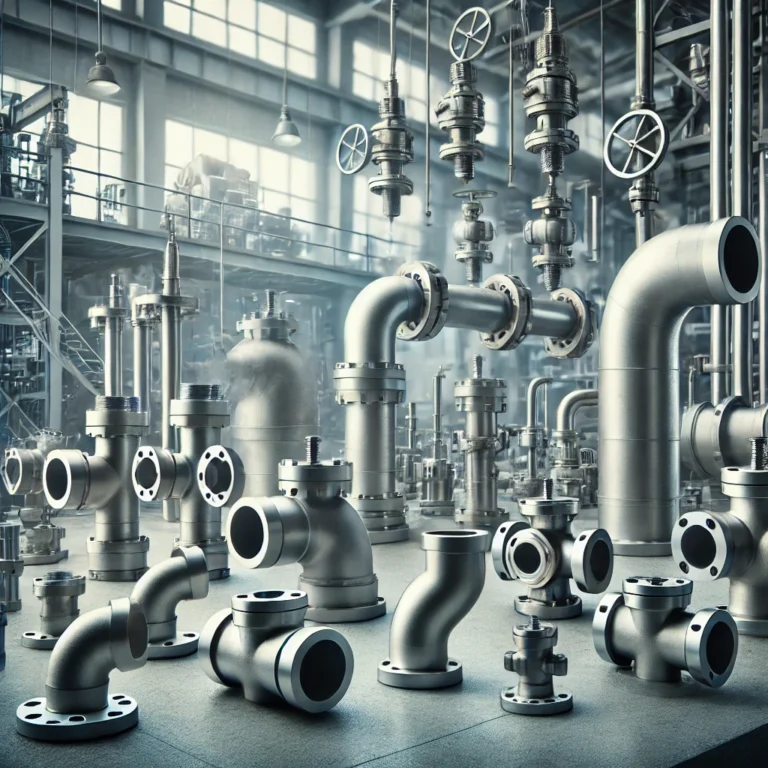
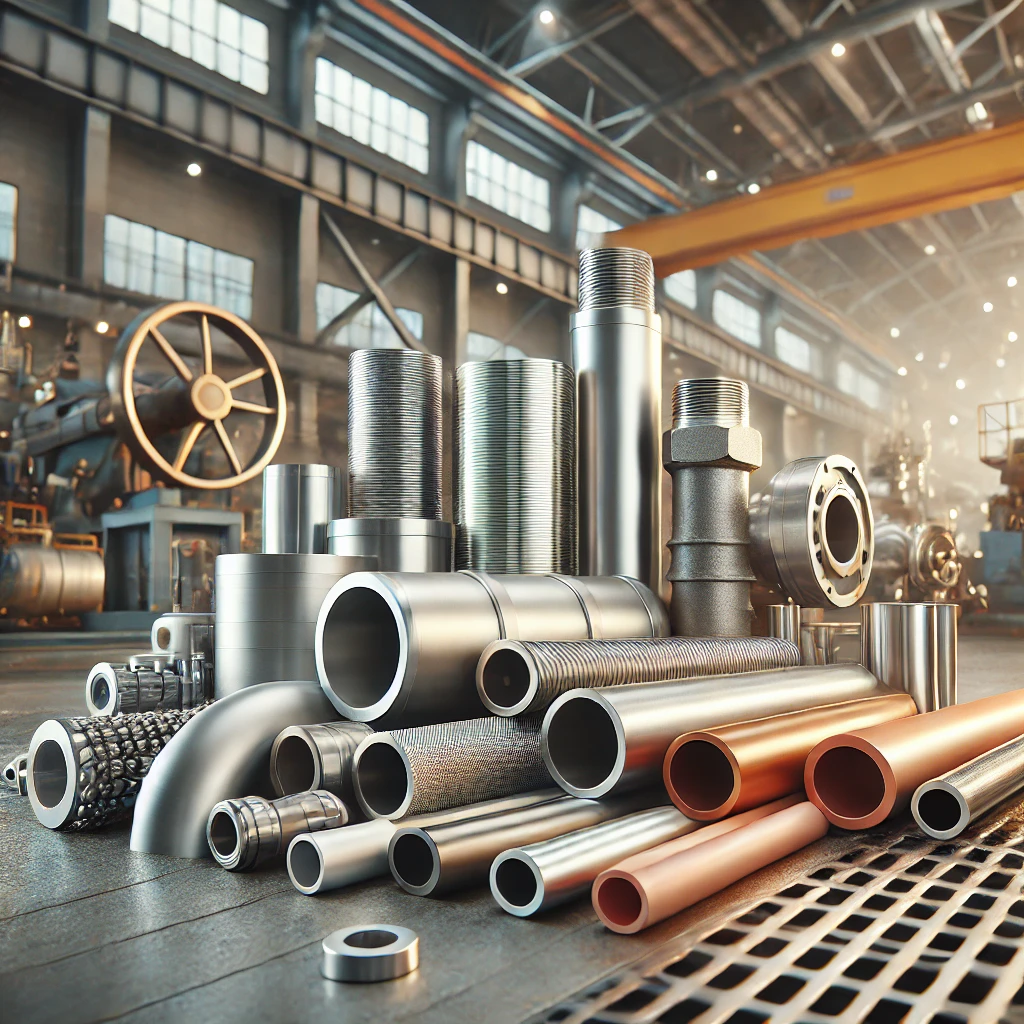
An industrial setting displaying various industrial pipe fittings, including stainless steel elbows, tees, couplings, and flanges. The pipes are connected in an organized layout, emphasizing the role of these fittings in managing the flow of liquids and gases. The background features a manufacturing plant, highlighting the importance of pipe fittings in ensuring operational efficiency and safety in the manufacturing industry

Pro Tips

Piping systems are often overlooked but are critical to the smooth and safe operation of industrial facilities. Ensuring quality control in your piping systems protects your investment, infrastructure, and the people who rely on it.

By following rigorous quality assurance procedures—from visual inspections to advanced testing methods—you can create a piping system that is not only compliant with industry standards but also efficient and reliable. Quality control is not just about preventing failures; it’s about building strong, durable systems that will stand the test of time

Conclusion

Ensuring piping quality control in industrial projects is vital for safety, efficiency, and longevity of piping systems. By adhering to rigorous standards, conducting thorough inspections, and implementing best practices, you can prevent costly failures and optimize performance. For a deeper understanding of quality standards, explore Piping QA/QC Standards and Best Practices. To learn about the role of inspections, check out Key Benefits of Professional Piping Inspection Services. For ongoing maintenance, refer to the Comprehensive Maintenance Checklist for Industrial Piping Systems. Additionally, consult American Society for Quality (ASQ) – Quality Control Standards and International Organization for Standardization (ISO) – Piping Standards for authoritative guidelines. Prioritizing quality control today sets the foundation for reliable and efficient industrial piping systems tomorrow.

Need Help with Piping Quality Control?

SRJ Piping India ensures top-tier quality checks and compliance across all stages of your industrial piping projects.

Key Benefits of Professional Piping Inspection Services

Pipe Inspection Services: Ensuring Piping Quality and Longevity

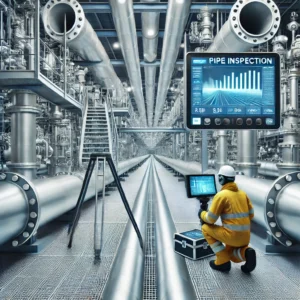
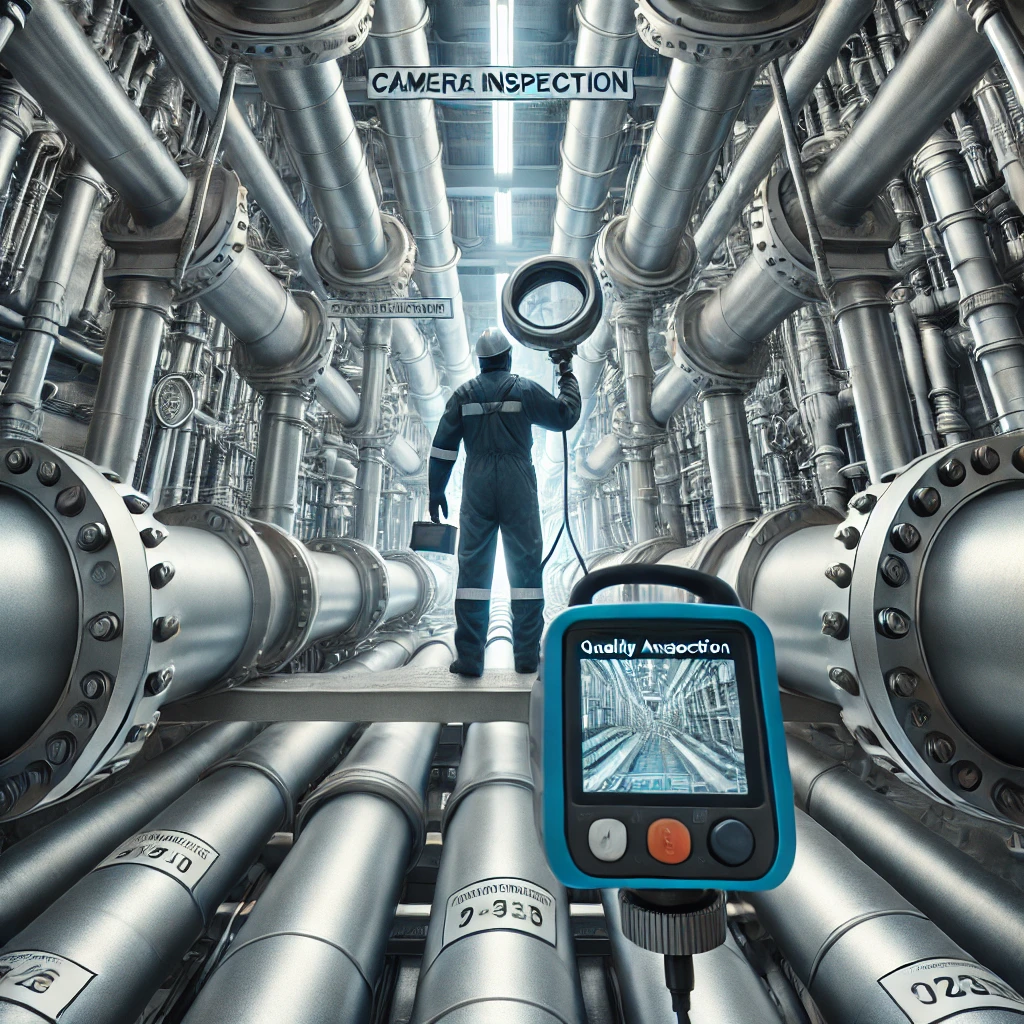
image of an inspector examining large metal pipes in an industrial setting for quality control. It visually represents the importance of maintaining high standards in piping systems for industrial projects.

Table of Contents

Piping systems are the lifelines of countless industries, from manufacturing and chemical processing to water supply and commercial infrastructure. They silently transport vital liquids, gases, and materials, making their integrity paramount to safety, efficiency, and environmental protection. 

While often out of sight, the consequences of a failing pipeline—be it a small leak or a catastrophic rupture—can be devastating, leading to significant financial losses, environmental damage, and potential harm to personnel.

This is where professional piping inspection services become indispensable. Far from being a mere overhead, these services are a proactive, strategic investment that ensures the quality, longevity, and reliable performance of your piping networks. By leveraging specialized expertise and cutting-edge technology, these inspections go beyond superficial checks to thoroughly examine the health of your entire system.

Here are the key benefits that highlight why professional piping inspection services are crucial for any business relying on these critical conduits:

Proactive Problem Detection and Prevention

One of the foremost advantages of professional piping inspections is their ability to identify potential issues before they escalate into major, costly problems. Expert inspectors can detect:

  • Early Signs of Wear and Tear: Pinpointing areas susceptible to corrosion (internal and external), erosion, fatigue, and general material degradation. This includes identifying pitting, thinning of pipe walls, and localized damage.
  • Structural Integrity Issues: Identifying hidden cracks, deformities, or weld defects that could compromise the pipe’s strength, which are often undetectable by the naked eye.
  • Internal Blockages and Buildup: Locating sediment, scale, or foreign material accumulation that restricts flow, increases pressure requirements, and reduces overall system capacity.
  • Leakage Points: Detecting even hairline leaks or micro-seepages that, if left unattended, can lead to significant material loss, environmental contamination, and structural damage to surrounding infrastructure.
  • Misalignments and Stress Points: Identifying improper installation, ground movement, or thermal stresses that can lead to future failures at joints, supports, or bends.

By catching these minor issues early, professional inspections enable timely intervention, such as targeted repairs, cleaning, or localized replacements, thereby preventing them from developing into emergencies that require extensive and expensive overhauls.

Significant Cost Savings and Extended Asset Lifespan

Investing in regular professional pipe inspections is a proven long-term cost-saving strategy. While there’s an initial outlay for the service, the returns far outweigh the expenses:

  • Reduced Emergency Repairs: Proactive maintenance significantly reduces unexpected breakdowns and the associated high costs of emergency repairs, often involving overtime labor, expedited parts, and specialized equipment.
  • Minimized Downtime: Scheduled inspections and repairs result in planned outages, which are far less disruptive and less expensive than unscheduled shutdowns caused by sudden pipe failures, thereby protecting production schedules and revenue.
  • Optimized Operational Efficiency: Healthy pipes ensure consistent flow rates, reduced friction, and optimal pressure. This leads to more efficient pump performance, lower energy consumption, and overall smoother process operations.
  • Extended Asset Lifespan: By addressing minor issues promptly and maintaining optimal conditions, professional inspections significantly prolong the operational life of your entire piping infrastructure, delaying the need for costly full-system replacements and maximizing your return on capital investment.

Enhanced Safety and Risk Mitigation

Safety is paramount, especially in industries that handle hazardous materials or operate under high pressure. Professional piping inspections play a vital role in mitigating risks:

  • Preventing Accidents and Catastrophes: By identifying structural weaknesses, leaks of flammable or toxic substances, or potential ruptures, inspections directly avoid accidents that could lead to explosions, fires, chemical exposure, or other severe incidents.
  • Protecting Personnel: A well-maintained piping system reduces the risk of injuries or fatalities for workers who operate near, maintain, or are simply present in the vicinity of these systems.
  • Safeguarding Assets: Preventing pipe failures protects other valuable equipment, machinery, buildings, and the surrounding infrastructure from damage caused by leaks, ruptures, or associated hazards.
  • Environmental Protection: Timely detection and repair of leaks prevent the spillage of pollutants or hazardous materials into the environment, safeguarding ecosystems, and helping businesses avoid hefty environmental fines and reputational damage.

Ensuring Regulatory Compliance and Legal Adherence

Many industries are subject to stringent local, national, and international regulations regarding the integrity and maintenance of their piping systems. Professional inspections help businesses stay compliant:

  • Meeting Industry Standards: Ensuring adherence to industry-specific codes and standards (e.g., API, ASME, ISO, specific Indian standards) that dictate inspection frequencies, methods, and acceptable conditions for various types of piping.
  • Avoiding Fines and Penalties: Regular, documented inspections provide irrefutable proof of due diligence, helping businesses avoid hefty fines, legal repercussions, and operational shutdowns due to non-compliance.
  • Maintaining Operational Licenses: For many regulated industries (e.g., oil & gas, chemical, power), demonstrating a robust inspection and maintenance program is a prerequisite for obtaining or retaining operational licenses.
  • Insurance Requirements: Many insurance policies require proof of regular inspections and maintenance to validate coverage for potential damages, ensuring your business is protected financially.

Increased Operational Efficiency and Reliability

A healthy piping system is fundamental to smooth and reliable operations. Professional inspections contribute significantly to this:

  • Consistent Flow and Pressure: Identifying and clearing blockages, as well as repairing damage, ensures consistent flow rates and optimal pressure within the system, preventing performance dips and ensuring process stability.
  • Reduced Unplanned Outages: By addressing issues proactively through scheduled maintenance, the frequency of unplanned shutdowns due to piping failures is drastically reduced, leading to greater operational continuity and predictable production.
  • Optimized Resource Allocation: Data from comprehensive inspections can help maintenance teams prioritize repairs, allocate resources more effectively, and focus on areas of greatest need, improving efficiency in maintenance budgets.
  • Data-Driven Decision Making: The detailed reports and performance data collected during inspections provide invaluable insights for future planning, system upgrades, capital expenditure decisions, and optimizing asset lifespan.

Precision and Accuracy with Advanced Technology

Modern professional piping inspection services leverage a suite of advanced technologies that offer unparalleled precision and insights into the condition of your piping:

  • Non-Destructive Testing (NDT) Methods: These techniques assess material integrity without causing damage. They include: Ultrasonic Testing (UT), Radiographic Testing (RT), Magnetic Particle Testing (MPT), Eddy Current Testing (ECT), and Guided Wave Testing (GWT)
  • In-Line Inspection (ILI) / “Smart Pigging”: For long pipelines, intelligent “pigs” equipped with various sensors (Magnetic Flux Leakage, UT, caliper) travel through the pipe’s interior, collecting vast amounts of data on corrosion, cracks, and anomalies.
  • Visual Inspection (Remote & Direct): High-definition CCTV cameras, often mounted on robotic crawlers or borescope probes, allow for detailed visual examination of internal pipe surfaces, even in inaccessible areas. Drones can be used for external visual inspections of elevated piping.
  • Acoustic Leak Detection: Specialized sensors can identify the distinct sounds of even tiny leaks, pinpointing their exact location, often without the need for excavation.
  • Thermal Imaging (Infrared Thermography): Used to detect temperature anomalies that might indicate leaks, blockages, or areas of corrosion, especially under insulation.

These sophisticated tools enhance the accuracy and productivity of inspections, providing a comprehensive “health check” of the entire piping network and allowing for early identification of hidden issues.

The Professional Approach: What to Expect from an Inspection Service

A reputable professional piping inspection service typically follows a structured and thorough process to ensure comprehensive evaluation:

  • Initial Consultation and Scope Definition: The service provider will engage with you to understand your specific piping system, industry, operational parameters, potential concerns, and compliance requirements. This helps in tailoring the inspection plan.
  • Documentation Review: Engineers will review existing system schematics, design documents, previous inspection reports, and maintenance histories to gain a complete understanding of the pipeline’s background.
  • Pre-Inspection Planning: This involves selecting the most appropriate inspection methodologies and technologies based on the piping material, age, service fluid, and potential degradation mechanisms. Equipment calibration, personnel training, and certification verification are also conducted.
  • On-Site Inspection Execution: Skilled and certified inspectors will perform the chosen inspection methods. This includes visual inspections, deploying NDT tools, utilizing robotic crawlers, or conducting pressure tests as planned. Safety protocols are rigorously followed during this phase.
  • Data Acquisition and Analysis: Raw data collected from sensors, cameras, and NDT equipment is meticulously gathered and then analyzed by expert engineers. This involves processing images, interpreting NDT readings, and correlating data points to identify anomalies.
  • Detailed Reporting and Recommendations: A comprehensive report is generated, detailing all findings, including identified defects, their location, severity, and potential impact. The report often includes photographic or video evidence, data charts, and clear explanations. Crucially, it provides actionable recommendations for repairs, maintenance, or further investigation, along with proposed timelines.
  • Post-Inspection Support: Reputable providers often offer follow-up support, helping clients understand the report, prioritize recommendations, and plan subsequent maintenance or repair work.

Your Partner in Piping Integrity: SRJ Piping India

Maintaining a well-functioning, safe, and cost-effective piping system is essential for any business’s success. Neglecting regular professional pipe inspections can lead to catastrophic failures, significant financial burdens, and severe safety hazards.

SRJ Piping India stands as a leader in providing comprehensive professional piping inspection services. By combining highly experienced and certified technicians with state-of-the-art technology, they offer customized solutions tailored to the specific needs of various industries, from industrial facilities to commercial buildings. Their commitment to detail, accuracy, and strict adherence to relevant industry standards and safety regulations ensures that your piping infrastructure remains robust, reliable, and compliant, securing your operations for the long term.

For detailed information on their services and how they can enhance the quality and longevity of your piping system, contact SRJ Piping India.

Professional piping inspection services are the invisible shield protecting your industrial operations from catastrophic failures and regulatory nightmares. According to the American Petroleum Institute’s API 570 Standard, facilities with certified inspection programs experience 62% fewer unplanned shutdowns – a statistic that validates our ISO 9001-certified Piping QA/QC Process. When a Chennai chemical plant’s undetected corrosion led to ₹18 crore in damages (as cited in this CSB Investigation Report), it underscored why our Advanced NDT Inspection Team combines ultrasonic thickness testing with RBI methodologies. In India’s punishing operational environments, skipping professional inspections isn’t cost-cutting – it’s Russian roulette with your assets and workforce.


Strategic Linking Framework

Link TypeExamplePurpose
Industry StandardAPI 570Establishes global benchmark
Horror Story ProofCSB ReportCreates urgency through real consequences
Service DifferentiatorQA/QC PageHighlights technical capabilities
Solution PathwayNDT ServicesDirects to revenue-generating service

Pro Tip: Add a “Red Flag Checklist” callout box:

  • Piping vibration beyond API 570 limits

  • Corrosion rates >0.5mm/year

  • Missing inspection records for >12 months

  • Non-compliant weld procedures (ASME B31.3)

Piping QA/QC: Standards and Best Practices

Piping QA/QC: Standards and Best Practices

Table of Contents

It is not only about ticking the boxes for quality and safety in industrial piping; it is about how an entire system breathes reliability into every pipe and weld. Understanding the nuts and bolts of quality assurance versus quality control (QA/QC) should be second nature to the project manager. Even slight oversights can translate into big problems as far as pipelines are concerned.

The article is intended to guide users through standards and best practices for QA/QC in the piping industry. It will canvass all you need to do to make your projects come out meeting the highest standards, from understanding the power of the ASME Boiler and Pressure Vessel Code to implementing state-of-the-art testing techniques. Let’s get it right; make sure your pipelines are not just functional but flawless.

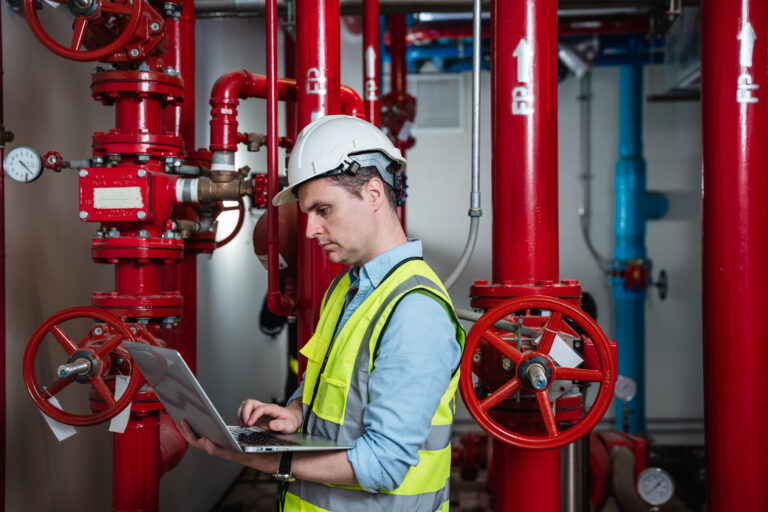
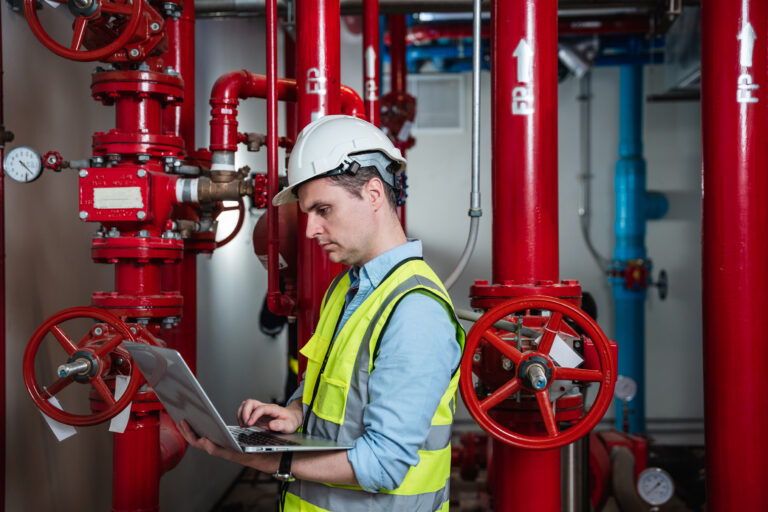
"Fire protection systems and services blog providing expert insights on safety solutions for residential, commercial, and industrial spaces

Understanding the Importance of QA/QC in Piping

Quality Assurance and Quality Control are the most important building blocks for a piping project. But what are these terminologies, and why are they so vital?

Quality Assurance is the procedure of introducing a system into the piping project, which assures that all work has been executed according to the set standards. It is the proactive side of quality management that induces procedures to prevent defects and ensure uniformity. Quality control is quite different, as it is much more oriented toward inspection and testing, verifying if a finished product meets the specification required by identifying deviations.

Why does this matter? The industrial stake is very high. That small fault in the pipe or weld might be all that makes a difference between a break, a shutdown, or even a complete failure. That is why adherence to quality standards such as the ASME Boiler and Pressure Vessel Code and API American Petroleum Institute guidelines is non-negotiable. Compliance with these code standards enforces piping systems that are not only functional but corrosion-resistant, of strength to match the pressures they will withstand.

Key Standards and Codes in Piping QA/QC

The integrity of piping systems can only be ensured if the already set standards and codes are adhered to. These guidelines ensure that each process in piping, right from the selection of material down to its installation, meets the requirements expected by the industry. Let us now discuss a few key standards and codes related to piping QA/QC.

ASME Boiler 

This is probably the best-known standard within the industry. The American Society of Mechanical Engineers developed this code to regulate the design, fabrication, and inspection of boilers and pressure vessels. The ASME Boiler and Pressure standards are followed to ensure piping systems can withstand the high pressures they may be subjected to without having the potential for failure.

API Standards

The American Petroleum Institute sets out a unique set of standards for the oil and gas sector, ranging from pipeline materials to inspection techniques, making sure that all elements are fit for the high demands of the sector. API standards are key to a project that deals with hydrocarbons, where safety has to be extreme.

Pressure Vessel Code

The pressure vessel code deals essentially with the design and quality control of such equipment so that they shall not burst under the high pressures they withstand in industrial applications. That assures that such vessels shall be able to contain fluids at high pressure safely.

Quality Control Procedures

Beyond these codes then, there should be the institution of stringent quality control processes. Such processes involve periodic inspection and testing through destructive and non-destructive techniques to ensure the integrity of the piping systems. It is this assurance that every pipe, weld, and joint is to specification that keeps a project on schedule and safe.

Best Practices for Piping QA/QC

The success of every piping project requires the proper implementation of quality assurance and quality control. This can be made possible by embracing some of the best practices to help in the construction of the finest piping systems. These are hereby explained below:

Comprehensive Planning

A detailed QA/QC plan should be developed before initiation of work. It should identify all quality control processes in terms of inspection points, methods of testing, and documentation requirements. Well-defined plans work almost like a guide that will lead the project from start to finish, assuring that nothing has been left undone.

Material Verification

One of the intrinsic steps in QA/QC processes is to ensure the specifications of the materials used in piping systems. This would involve verification of the chemical composition, mechanical properties, resistance to corrosion, and other specifications of the materials. Proper material verification will avoid problems at a later stage and ensure that the piping system withstands all conditions it is put through.

Post-Weld Inspections

Among the most important processes in piping construction is welding. As such, it becomes crucial to ensure that such welds are of the highest possible quality. The post-weld inspection allows for radiography and ultrasonic non-destructive tests that permit the detection of any defects that would reduce the integrity of a piping system. 

Documentation and Record Keeping

It is not just about compliance; detailed record-keeping of all the QA/QC activities provides a point of reference for future projects. Documentation includes material certificates, inspection reports, test results, and others. There is immense value in such information when it comes to troubleshooting any issues that may arise or simply ensuring that everything is as desired regarding quality in the project.

Continuous Training and Improvement

The world of mechanical engineering is changing all the time, and new techniques and technologies find their way through quite frequently. However, periodic training of your team keeps every person abreast of the most updated state-of-the-art piping QA/QC practices available to date. Also, it begets a culture of improvement that fills up the gaps between processes, working for betterment to give the best results for any upcoming project.

Professional Pipe Inspection Services: Ensuring Piping Quality and Longevity When the functions in industrial installations get tough, pipes are often neglected. Small cracks, invisible leaks, or even root infiltration can easily turn a flawless operation into a costly nightmare. Professional pipe inspection services are essential for your infrastructure, diving deep—sometimes quite literally—using tools like video cameras to identify potential problems before they escalate. Whether you're managing a complex plumbing system or miles of sewer lines, regular inspection services are your first line of defense against unexpected failures. Preventing expensive repairs is always better than dealing with costly problems after they occur. In this blog, we’ll explore how these inspections help you save money, reduce risks, and provide peace of mind—all while keeping your operations running smoothly. Professional Pipe Inspection Services: The Perks Proactive Detection of Potential Problems Professional pipe inspection services detect potential issues before they worsen. Problems like leaks, cracks, or blockages, if left unchecked, can quickly become expensive repairs. However, regular inspection services catch these problems early. With advanced techniques such as camera inspections, professionals can inspect pipes without tearing or dismantling them. This allows for a thorough look into hidden issues like corrosion, material fatigue, or root infiltration—giving you time to plan maintenance or replacement before small issues escalate. Saving Money Long-Term Pipe inspections are an investment that saves money in the long run. Small issues, like leaks, may seem insignificant at first, but over time they can lead to costly repairs or damaged infrastructure. Regular inspections help you address minor problems early, reducing the likelihood of major failures that come with hefty repair costs. Well-maintained pipes have a longer lifespan, meaning fewer replacements and repairs over time. This ensures your plumbing system remains efficient and reliable, keeping operating costs low. Prevent Costly Repairs Regular pipe inspections prevent small problems from growing into larger, more expensive repairs. For example, a small sewer line clog could quickly turn into a major backup, causing damage to your property and requiring extensive clean-up and repairs. Routine inspections allow you to identify and mitigate potential issues before they become major problems. By addressing blockages, leaks, and other issues early, you can maintain uninterrupted operations and prevent costly downtime. Mitigated Risks and Enhanced Safety Safety is a top priority in any industrial setup, and regular pipe inspections are essential for ensuring safe operations. Uninspected pipes may have unknown leaks or weaknesses that can lead to hazardous situations, such as chemical spills or gas leaks. Regular inspections minimize the risk of such incidents, allowing professionals to detect leaks or faults that pose a safety threat. This proactive approach helps protect your employees, the environment, and your business, all while ensuring compliance with industry regulations. Greater Peace of Mind with Long-Term Solutions Regular pipe inspections provide peace of mind. Knowing that your pipes are in good condition lets you focus on other critical aspects of your operation without constant worry about unexpected failures. With inspections, you’ll receive detailed reports documenting the state of your infrastructure, allowing for long-term planning and reliable operations. This transparency boosts confidence in your system's integrity and reduces the risk of sudden disruptions. Advanced Pipe Inspection Technology: Enhancing Accuracy Thanks to technological advancements, pipe inspection processes are more accurate and productive than ever before. Camera inspections and sensors provide a clearer, more detailed view of piping systems without the need for intrusive measures. Camera inspections are particularly valuable for inspecting complex piping networks. These high-tech tools can identify blockages, corrosion, or structural weaknesses with real-time analysis, enabling quick decision-making. With such technology at your disposal, you can address issues before they escalate, safeguarding your operations. Adherence to Industry Standards Maintaining the integrity and safety of your piping systems is critical, which is why adherence to industry standards is non-negotiable. Regular pipe inspections ensure your systems comply with regulations set by governing bodies such as the American Society of Mechanical Engineers (ASME) or the International Organization for Standardization (ISO). Staying compliant not only protects your business from legal penalties but also ensures your systems can handle the demands of industrial operations. Inspection services also provide the necessary documentation and reports to demonstrate compliance during audits or regulatory reviews. Customized Inspection Services for Specific Needs Every facility is unique, and so are its piping inspection requirements. Professional inspection services offer customized solutions tailored to your operation's needs. Whether you’re inspecting high-pressure pipelines, sewer lines, or specialized systems handling hazardous materials, inspections can be adapted to address your specific concerns. For instance, industries handling hazardous materials may require more frequent inspections or specialized testing methods. By working with professionals who understand your industry’s challenges, you’ll receive an inspection process that meets your exact requirements. Conclusion: Invest in Regular Pipe Inspections to Avoid Costly Repairs Your pipes may seem like just another component of your industrial infrastructure, but neglecting them can lead to serious consequences that disrupt your entire operation. Regular professional pipe inspections are essential to maintaining a well-functioning, safe, and cost-effective system. Being proactive with inspections helps detect small leaks or hidden issues that could become costly if left unchecked. This preventative approach not only saves money in the long run but also guarantees safety and compliance, offering peace of mind. Don’t wait for a small issue to become a costly disaster. Invest in regular pipe inspections to keep your operations running smoothly and efficiently.

The Role of Testing in Piping QA/QC

Testing represents a huge portion of the assurance of quality and safety of piping systems. This is the stage where theory comes to meet real conditions, proving all materials, welds, and components perform to expectation. The next section considers some of the most critical test methods applied in piping QA/QC:

Destructive Testing

The name itself gives away the essence of destructive testing: a sample is taken and strung out to its extreme limits until it fails. This technique informs, therefore, about the strength, durability, and other mechanical properties related to materials used in your piping systems. Although it is a sacrifice of material, the information gained is essential for verifying that the system will hold up under stress.

Non-Destructive Testing (NDT)

Compared to destructive testing, the NDT methods are applied to examine the material or weld without breaking it. The most common techniques or methods applied in the industry are radiographic testing or X-rays, ultrasonic testing, and magnetic particle testing. These techniques are of immense help in detecting hidden or well-concealed flaws such as cracks and voids, which can be disastrous if not checked.

Pressure Testing

Pressure testing is normally done after installation to check the integrity of the systems. It consists of pressurizing the piping systems to their maximum operating pressure. The test is conducted by filling the system with water or some other incompressible fluid and raising the pressure to a higher level than the one it should undergo in normal operation. 

Corrosion Testing

Corrosion is probably at the top of the list of reasons for piping failure, mainly due to harsh chemicals or extreme temperatures. The testing evaluates how well the piping material can stand degradation over some time, which would greatly matter for the long-term reliability of the piping system. More specifically, in industries such as oil and gas, where corrosion can turn out to be a serious threat, this may become necessary.

PWHT: Post-Weld Heat Treatment

Although not a testing method in itself, the process of post-weld heat treatment is conducted many times as part of QA/QC. This relieves the stresses induced by welding, therefore reducing the chance of cracks and increasing toughness in general. It is a very important step toward ensuring that welded joints are as strong as the materials to which they are connected.

Let’s Conclude

Every pipe, every weld, and every joint has to pass rigorous standards so that your projects are safe and stand the test of time. For this reason, a good quality assurance/quality control (QA/QC) program is not simply window dressing but forms the backbone for successful industrial operations.

Following the quality control procedures and availing yourself of state-of-the-art techniques, you will have the assurance that your projects measure up to industry standards of quality and set a benchmark of excellence.

In the final analysis, success with regards to piping systems isn’t defined by whether they work, but by the length of time, safety, and quality measures. With an effective industrial piping expert in place, you can be sure that your projects stand up to time; because when it comes to piping, second best is not good enough.

World-class piping QA/QC standards separate safe, efficient operations from catastrophic failures waiting to happen. The ASME B31.3 Process Piping Code mandates 11 critical checkpoints during fabrication – a protocol we’ve refined through our ISO 9001-certified Inspection Services. When audit failures at a Gujarat refinery triggered ₹92 crore in penalties (documented in this PNG Study on Piping Failures), it validated our 5-Layer Defense System combining material verification, NDT testing, and staged pressure approvals. In India’s high-corrosion environments, these aren’t just best practices – they’re the bulletproof vest for your operational integrity.

Need Help with Piping QA/QC Compliance?

SRJ Piping India ensures end-to-end QA/QC standards for industrial piping—covering documentation, inspection, and certification.

The Ultimate Guide to Industrial Piping Systems

Ultimate Guide to Industrial Piping Systems

Table of Contents

Industrial piping systems form the backbone of many industries, from chemical plants to manufacturing units. These systems ensure the continuous movement of fluids and gases, essential to keeping operations running smoothly. Whether you’re a seasoned professional or a newcomer, understanding the intricacies of piping systems is crucial for safety, efficiency, and long-term success.

This comprehensive guide covers industrial piping systems, including materials, components, design, installation, and maintenance. By the end, you’ll have a solid understanding of how to keep these vital systems running efficiently.

Types of Industrial Piping Materials

Industrial piping systems rely on various materials, each with its advantages and drawbacks. The material choice depends on the application, fluid type, and environmental factors.

Metal Piping

  • Steel: Commonly used in high-pressure applications due to its durability and cost-effectiveness.
  • Galvanized Steel: Offers enhanced corrosion resistance, making it ideal for harsh environments.
  • Copper: Lightweight, corrosion-resistant, and easy to install, though more expensive than steel.
  • Stainless Steel: Highly resistant to corrosion, suitable for applications exposed to corrosive substances.
  • Cast Iron/Ductile Iron: Known for its excellent corrosion resistance, commonly used in sewer and stormwater systems.

Plastic Piping

  • PVC: Widely used for its corrosion resistance and cost-effectiveness, commonly found in residential and industrial applications.
  • CPVC: Similar to PVC but with higher heat resistance.
  • Polypropylene (PP): Resistant to chemicals and high temperatures, making it a versatile choice.
  • PVDF: A high-performance material with excellent corrosion resistance, used in extreme conditions.
  • PEX: Popular in residential applications due to its flexibility and ease of installation.

Composite Piping

  • FRP/GRP: Composite pipes that offer superior mechanical properties and corrosion resistance.
  • TCP: Thermoplastic composite pipes with layers of polymeric materials, ideal for high-pressure applications.

For more information on material selection and its impact on your piping system, visit API Standards.

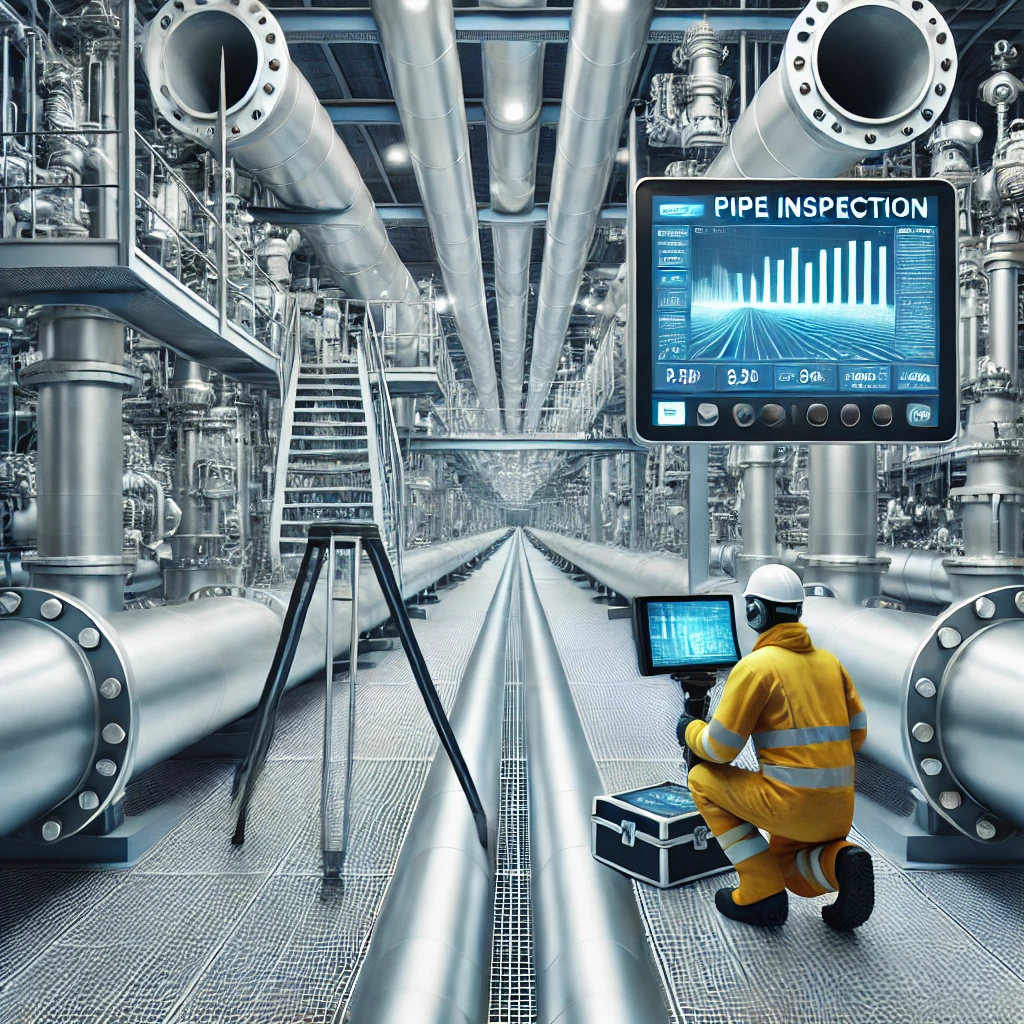
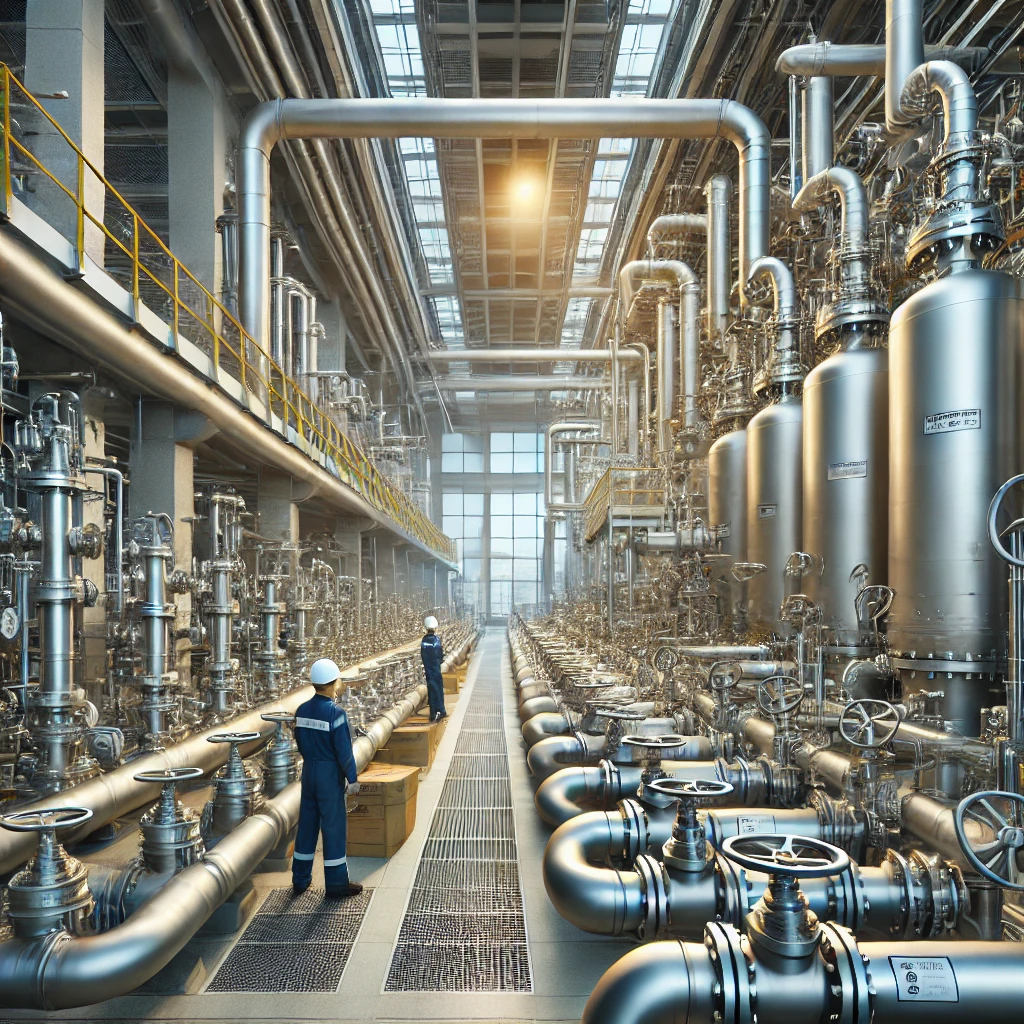
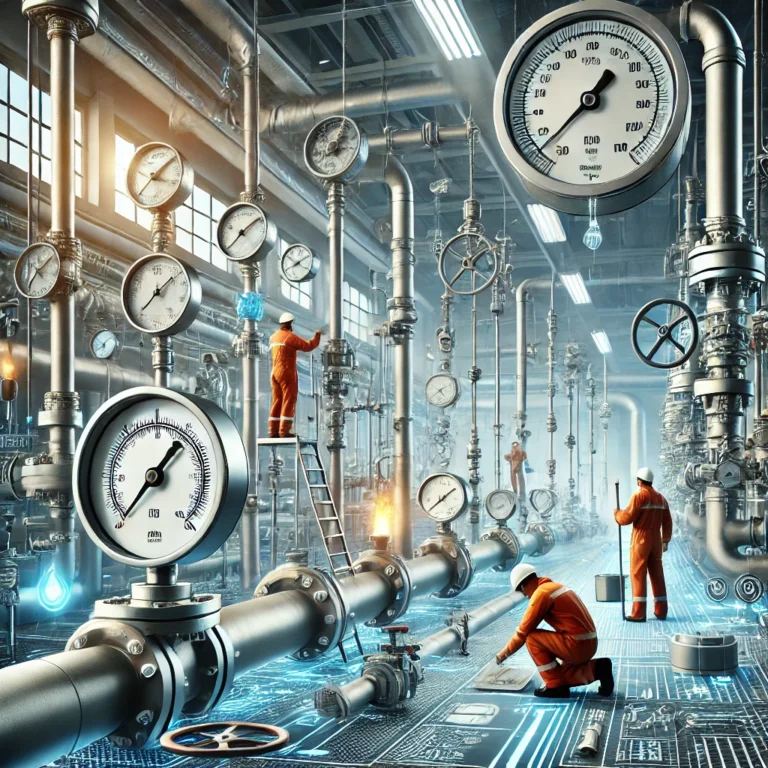
showcasing an industrial piping system in a modern manufacturing facility with workers inspecting the pipes. Let me know if you'd like any further adjustments!

Key Elements of Industrial Piping Systems

Industrial piping systems consist of several key components that work together to transport fluids and gases efficiently.

Pipes

Pipes are the primary medium for transporting fluids. The material and size of the pipes determine their performance and longevity. When selecting pipes, consider:

  • Fluid type
  • Operating temperature and pressure
  • Environmental conditions

Fittings

Fittings connect pipes, change directions, and join pipes of different sizes. Common fittings include:

  • Elbows: Change the direction of flow, typically 90 or 45 degrees.
  • Tees: Join three pipes, merging two lines into one.
  • Reducers: Connect pipes of different diameters, reducing flow rate or pressure.

Valves

Valves control the flow and pressure within the piping system. Common valve types include:

  • Gate Valves: Used for fully open or closed positions with minimal fluid friction.
  • Globe Valves: Regulate flow rates and provide tight shutoff.
  • Ball Valves: Offer tight sealing and quick open-close functions.

Flanges

Flanges connect pipes, valves, and pumps to the piping system, allowing easy access for maintenance. Common types include:

  • Weld Neck Flanges: Ideal for high-pressure and high-temperature applications.
  • Slip-On Flanges: Cost-effective for low-pressure applications.

Design Considerations for Industrial Piping

Designing an industrial piping system involves selecting the right materials and ensuring that the system can handle the operating conditions.

Material Selection

Choosing the right material is crucial for system performance and safety. Factors to consider include:

  • Corrosion resistance: Essential for applications involving corrosive fluids.
  • Pressure and temperature ratings: Ensure the material can withstand operating conditions.
  • Thermal expansion: Account for material expansion and contraction due to temperature changes.

For more insights on material selection, check out the ASME Boiler and Pressure Vessel Code.

Industrial Piping Installation Process

Installing industrial piping systems requires precision and adherence to best practices to ensure durability and safety.

Assessment and Planning

Before installation, assess the working environment, including temperature, humidity, and chemical exposure. Create a detailed plan that includes a blueprint, risk assessment, and resource allocation.

Material Preparation and Safety

Select materials that meet industry standards, such as those specified by ANSI and ASTM. Ensure workers wear proper protective gear, including helmets, gloves, and safety glasses.


Installation Steps

  1. Prepare the pipes: Clean and deburr pipe ends for a proper seal.
  1. Connect the pipes: Use welding, threading, or adhesive techniques.
  1. Install piping supports: Provide adequate support to prevent sagging and ensure long-term stability.

Testing and Inspection

After installation, conduct pressure tests to identify leaks or weaknesses. Use non-destructive testing techniques, such as ultrasonic or radiographic testing, to inspect welds and materials.

Safety and Maintenance of Industrial Piping Systems

Regular maintenance ensures that piping systems run efficiently and safely. Neglecting maintenance can lead to costly downtime and unsafe conditions.

Regular Inspections

Schedule regular inspections to detect leaks, corrosion, and other issues. Use visual inspections and non-destructive testing methods to catch problems early.

Corrosion Prevention

Apply protective coatings or corrosion inhibitors to extend the life of your piping system. Choose materials that are resistant to corrosion based on the fluid and environmental conditions.

Preventive Maintenance

Perform routine maintenance, such as replacing worn gaskets and lubricating moving parts, to prevent major issues. Regular cleaning also helps maintain optimal flow rates.

Emergency Procedures

Develop emergency response procedures for handling potential piping failures. Train personnel regularly and maintain records of all inspections and maintenance activities.

For more on maintenance best practices, visit OSHA’s Guidelines.

Heavy fabrication process delivering durable steel structures for large-scale industrial projects

Conclusion

Industrial piping systems are the lifeblood of many facilities, and proper design, installation, and maintenance are crucial for their long-term success. By selecting the right materials, following best practices for installation, and conducting regular maintenance, you can ensure your system runs efficiently and safely.

For further information on industrial piping standards, visit our Piping Services page or explore API Standards.

  1. Key Benefits of Professional Piping Inspection Services
    This blog complements the industrial piping systems guide by highlighting the importance of regular inspections to ensure system reliability and safety.
  2. How to Choose the Right Piping Material Selection Guide
    This blog provides practical advice on selecting appropriate materials for industrial piping, a key aspect covered in the ultimate guide.

Useful links Links:

  1. American Society of Mechanical Engineers (ASME) Piping Standards
    ASME provides authoritative standards for piping design and safety, offering valuable technical insights for industrial piping systems.
  2. Piping Technology & Products Resource Center
    This resource offers detailed technical bulletins and guides on piping components, useful for professionals seeking in-depth information.

Related Blog: Comprehensive Maintenance Checklist for Industrial Piping Systems


Need Expert Help with Industrial Piping Systems?

SRJ Piping India delivers end-to-end piping solutions—from planning to installation—for high-performance operations.

The Importance of Corrosion Protection in Piping

Corrosion Protection in Piping: Safeguarding Your Industrial Systems

Table of Contents

Imagine waking up one morning, grabbing your favorite coffee mug, and noticing a tiny crack. You shrug it off, but with each sip, that crack grows wider until your mug finally falls apart, spilling your coffee everywhere. Now, imagine that mug as your industrial piping system, and the crack as corrosion—an invisible, relentless enemy.

Corrosion isn’t just a cosmetic problem, nor is it a minor inconvenience; it’s a pervasive issue that affects industrial infrastructure. Left unchecked, corrosion can lead to catastrophic failures, costly repairs, and unsafe working conditions. While the crack in your coffee mug may be visible, corrosion in pipelines often starts as an invisible threat, gradually weakening the system.

That’s why corrosion protection in piping is not optional—it’s a necessity. Just like you would take care of your coffee mug to prevent cracks, industrial piping systems need preventive measures to ensure longevity and safety. Let’s dive into the world of corrosion protection and explore how it safeguards your assets, operations, and investment.

Learn effective corrosion protection strategies for piping systems to enhance durability and longevity. Discover the best practices and technologies to safeguard your industrial systems against corrosion damage

The Science of Corrosion

At its core, corrosion is an electrochemical process. When metals come into contact with moisture and oxygen, they undergo a chemical reaction that produces oxides or other compounds, weakening the metal. The most familiar example is rust, which forms when iron reacts with oxygen and moisture to create iron oxide.

However, corrosion isn’t limited to rust. Different metals react differently, and various environmental factors contribute to the many forms of corrosion, each posing unique challenges to industrial piping systems.

Common Types of Corrosion

  • Uniform Corrosion: This is the most common type, where the metal’s surface corrodes uniformly. While it may seem less dangerous, over time, it weakens the entire piping system.
  • Pitting Corrosion: This form of corrosion is localized, creating small pits or holes in the metal. These pits may be small, but they can concentrate stress in specific areas, leading to severe damage.
  • Galvanic Corrosion: When two different metals come into electrical contact in the presence of an electrolyte (such as water), the more reactive metal corrodes faster, while the less reactive metal corrodes more slowly.
  • Crevice Corrosion: This occurs in confined spaces, such as crevices or gaps between metal parts, where moisture can be trapped, leading to corrosion in these areas.
  • Intergranular Corrosion: This type affects the grain boundaries of a metal, often due to improper heat treatment, and can cause sudden, catastrophic failures.

Why Corrosion Protection is Critical

Corrosion doesn’t just degrade materials; it compromises safety, reduces efficiency, and increases operational costs. When it comes to industrial piping systems, the consequences of unchecked corrosion can be dire.

Structural Integrity

Corrosion weakens the structural integrity of pipelines, leading to cracks, leaks, and potential failures. Protecting pipes from corrosion ensures they maintain their strength and reliability over time.

Piping Longevity

Pipes are a significant investment, and corrosion dramatically shortens their lifespan. Corrosion protection measures extend the life of your piping systems, saving you from costly replacements.

Safety Concerns

Corroded pipes are a safety hazard, especially in industries that handle hazardous materials. A corroded pipeline could leak toxic chemicals or gases, endangering workers and the environment.

Regulatory Compliance

Industries are subject to strict safety and environmental regulations. Corrosion-related failures can lead to fines, legal action, and reputational damage. Implementing corrosion protection ensures compliance with industry standards.

Methods of Corrosion Protection

There are several methods to protect piping systems from corrosion, ranging from coatings to advanced electrochemical techniques. Let’s explore the most common methods used in industrial settings.

Industrial Coatings

Industrial coatings create a barrier between the metal surface and corrosive elements. Different coatings are used depending on the environment and the type of pipes being protected.

  • Epoxy Coatings: These are widely used for their excellent adhesion and chemical resistance, making them ideal for harsh environments.
  • Zinc-Rich Coatings: These provide galvanic protection, with zinc acting as a sacrificial layer, corroding in place of the metal being protected.
  • Fusion-Bonded Epoxy (FBE): Commonly used in the oil and gas industry, FBE coatings are applied in powder form and fused to the metal surface, providing a durable protective layer.

Cathodic Protection

Cathodic protection is an electrochemical method that prevents corrosion by turning the metal surface into the cathode of an electrochemical cell.

  • Sacrificial Anode Protection: In this method, a more reactive metal (such as zinc or magnesium) is attached to the pipeline. The anode corrodes, protecting the pipeline from corrosion.
  • Impressed Current Cathodic Protection (ICCP): This method uses an external power source to supply a current that counteracts corrosion. It’s often used for large pipelines.

Material Selection

Choosing the right materials can significantly reduce the risk of corrosion. Some materials are naturally more resistant to corrosion than others.

  • Stainless Steel: Known for its corrosion resistance, stainless steel is a common choice for environments where rust and oxidation are concerns.
  • Copper-Nickel Alloys: These alloys resist corrosion in seawater, making them ideal for marine applications.
  • Plastic and Composite Materials: In some environments, non-metallic materials like PVC or composite pipes can be used to avoid metal corrosion altogether.

Lining and Coatings

In addition to external coatings, internal linings can protect pipes from corrosive substances.

  • Cement Mortar Lining: Often used in water pipelines, cement mortar provides a smooth, corrosion-resistant surface that also improves flow.
  • Rubber Linings: Rubber linings are effective in protecting pipes from abrasive or highly corrosive materials.
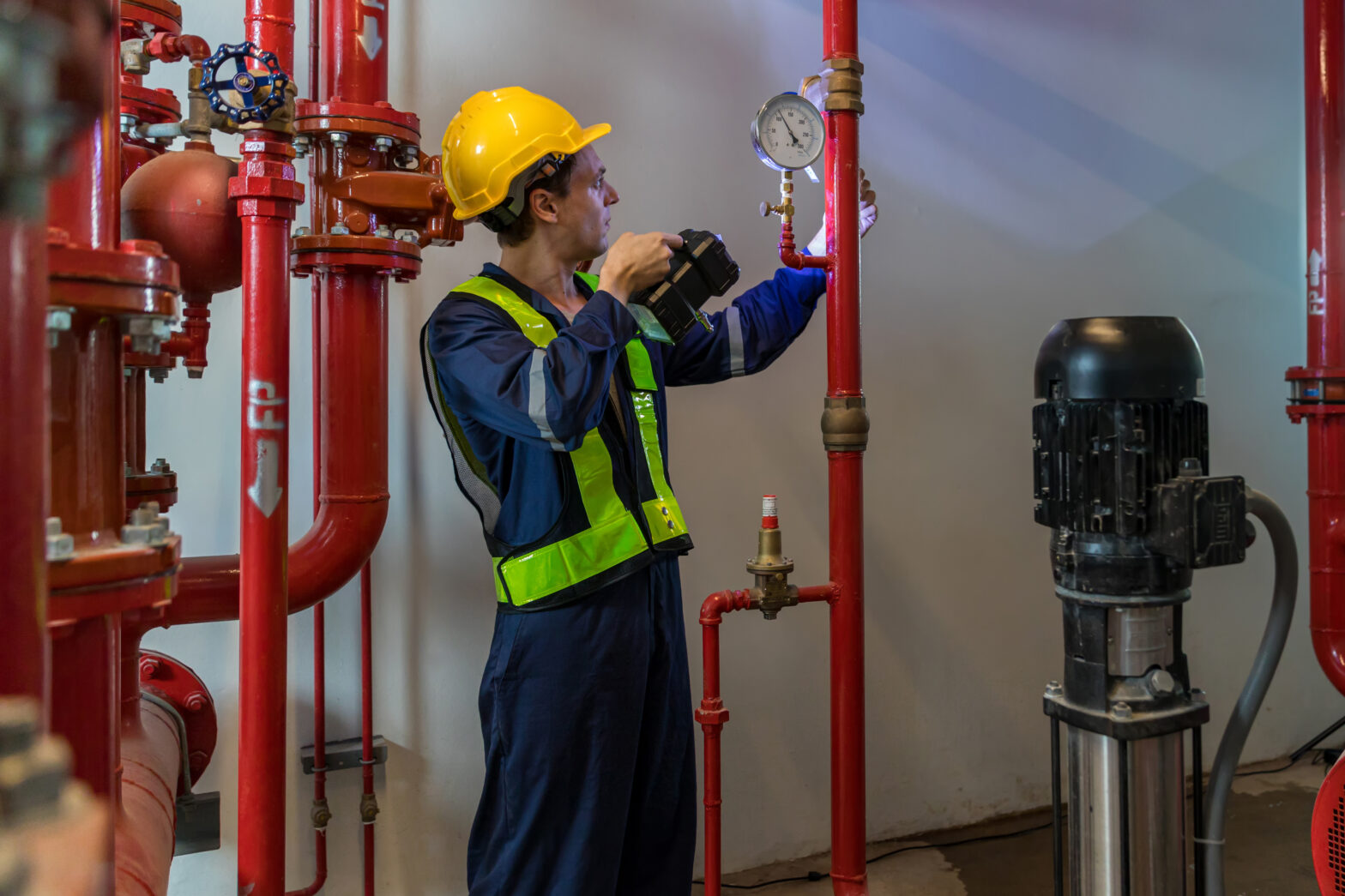
"Fire protection systems and services blog providing expert insights on safety solutions for residential, commercial, and industrial spaces

Maintenance and Monitoring

Corrosion protection isn’t a one-time effort. Regular maintenance and monitoring are essential to ensure long-term protection. Periodic inspections, thickness measurements, and re-coating as needed can extend the life of your piping systems and prevent unexpected failures.

The Economic Impact of Corrosion

The global cost of corrosion is estimated to be over $2.5 trillion annually, accounting for about 3-4% of the world’s GDP. This staggering figure underscores the importance of investing in corrosion protection measures.

Cost of Corrosion-Related Failures

Corrosion-related failures can be incredibly costly, not just in terms of repairs, but also in lost production, environmental cleanup, and legal liabilities. In industries like oil and gas, a single pipeline failure can cost millions of dollars.

Savings from Corrosion Prevention

While corrosion protection requires an upfront investment, it pays off in the long run. Preventing corrosion reduces the need for frequent repairs, lowers the risk of catastrophic failures, and extends the life of your piping systems.

Real-World Examples of Corrosion Protection

To highlight the importance of corrosion protection, let’s look at a few real-world case studies.

Offshore Oil Platform

An offshore oil platform in the North Sea faced significant corrosion challenges due to the harsh marine environment. By implementing a comprehensive corrosion protection plan that included both cathodic protection and industrial coatings, the platform’s infrastructure was extended by over 20 years, saving millions in replacement costs.

Municipal Water Supply System

A city suffering from frequent water pipe leaks due to corrosion implemented a re-lining project using cement mortar. The result was a significant reduction in water loss, lower maintenance costs, and improved service reliability.

Chemical Processing Plant

A chemical processing plant dealing with highly corrosive substances switched to corrosion-resistant materials and applied specialized industrial coatings. This not only improved safety and efficiency but also extended the life of the plant’s piping systems.

Conclusion

Corrosion protection is not just a technical necessity—it’s a smart investment in the long-term safety, reliability, and productivity of your industrial piping systems. Whether you’re applying industrial coatings, using cathodic protection, or selecting corrosion-resistant materials, every step you take to prevent corrosion is a step toward securing your infrastructure.

Don’t wait for a tiny crack to become a major problem. Act now to protect your pipes from the silent, destructive force of corrosion. Get a Free Quote on Corrosion Protection Services to ensure your piping systems remain strong and reliable for years to come.

Know more about our services :

  1. Key Benefits of Professional Piping Inspection Services
  2. How to Choose the Right Piping Material Selection Guide

External Sources to Know more deatiled information:

  1. NACE International (AMPP) Corrosion Resources
  2. Piping Technology & Products Resource Center

Related Blog:

  1. Comprehensive Maintenance Checklist for Industrial Piping Systems


Struggling with Corrosion in Your Piping Systems?

SRJ Piping India helps you detect, prevent, and manage corrosion with tailored protection strategies and expert support.

Case Studies: Successful Large-Scale Projects By SRJ

Case Studies: SRJ’s Structural Fabrication & Piping Installation Success

Table of Contents

Imagine an album capturing years of hard work and success. Every photo speaks of challenges, innovative solutions, and eventual achievements. For SRJ Piping India, our portfolio is much like that album. It showcases industrial projects, from structural fabrication to complex piping installations, highlighting our commitment to quality, innovation, and client satisfaction.

In this article, we explore the large-scale projects SRJ has successfully undertaken, the unique challenges, solutions implemented, and how client expectations were exceeded.

Comprehensive guide to corrosion protection in piping systems, ensuring durability and long-term efficiency in industrial operations

Overview of SRJ’s Structural Fabrication & Piping Installation Portfolio

SRJ is a leader in structural fabrication and piping installation across various industries, from large industrial plants to infrastructure development. Our project portfolio highlights how we continuously surpass expectations by adapting to each unique challenge.

Our portfolio goes beyond simply completed projects—it tells a story of our technical expertise, collaboration, and innovative problem-solving. SRJ delivers precise structural fabrication and efficient piping installation, ensuring outstanding results.

Case Study 1: Structural Fabrication for a Petrochemical Plant

Project Overview:
SRJ completed the structural fabrication for a large petrochemical plant, assembling large steel structures under strict deadlines while adhering to stringent safety standards.

Challenges:

  • Tight deadlines
  • High-precision steel fabrication requirements
  • Working in a live petrochemical plant

Solutions:

  • Advanced fabrication techniques
  • Collaborative planning with engineers and vendors
  • Strict safety protocols and regular inspections

Results: The project was completed on time, within budget, and with zero safety incidents. The quality exceeded the client’s expectations, making the new processing unit a crucial part of operations.

Case Study 2: Piping Installation for a Power Plant Expansion

Project Overview:
SRJ managed the installation of miles of piping systems for a power plant expansion, navigating a highly regulated environment.

Challenges:

  • Ensuring regulatory compliance
  • Precision in complex piping system installations
  • Coordination with other contractors

Solutions:

  • Precision installation techniques
  • Real-time monitoring of progress
  • Collaboration with regulatory bodies

Results: The piping system passed all inspections, increasing the plant’s capacity and efficiency.


Innovative Techniques in Structural Fabrication & Piping Installation

At SRJ, we embrace the latest technologies to maintain our edge in the structural fabrication and piping installation industries.

Automated Welding: Ensures consistency in every weld, reducing human error and speeding up projects.

Laser Cutting: Delivers high-precision fabrication, especially for intricate designs and custom components.

Modular Construction: Prefabricated components allow us to streamline on-site work, saving time and improving efficiency.


Client Testimonials:

“SRJ delivered exceptional work on our petrochemical plant. They met tight deadlines with precision and ensured safety throughout the project.”
Plant Manager, Petrochemical Project

“Our power plant expansion was a complex project, but SRJ exceeded expectations with their precise piping installation and regulatory compliance.”
Operations Manager, Power Plant Expansion

Learn effective corrosion protection strategies for piping systems to enhance durability and longevity. Discover the best practices and technologies to safeguard your industrial systems against corrosion damage

Environmental Considerations & Sustainability

SRJ is committed to sustainable practices, incorporating environmental responsibility into every project.

Sustainable Materials:
We prioritize using low-impact materials, including recycled steel and locally sourced resources, to reduce transportation emissions.

Energy Efficiency:
Our projects, including piping installations, are designed to minimize energy use, optimizing sustainability.

Waste Minimization:
We implement processes that minimize waste and recycle leftover materials wherever possible.


Future Outlook for SRJ’s Structural Fabrication & Piping Installation

Looking forward, SRJ aims to push the boundaries in structural fabrication and piping installation with investments in research and development.

Global Expansion:
SRJ is expanding into new markets to bring our expertise to more clients globally.

Digital Transformation:
We’re using data-driven decision-making to enhance project efficiency.

Sustainability Commitment:
Our priority remains minimizing environmental impact in every project.

 Sustainability in Construction.

OSHA Regulations for Industrial Safety.

Billion-rupee structural fabrication projects succeed or fail on millimeter-perfect execution – as proven in these landmark Indian projects where our engineering precision created unshakable value. When the Mumbai Metro’s seismic-grade requirements demanded IS 800:2007 compliance with <1.2mm tolerances, our Laser-Guided Fabrication Process delivered 0.8mm accuracy, cutting erection time by 37% (validated by IIT Mumbai’s Case Study). The Chennai Petrochemical Expansion required ASME SEC IX welds on 6,000+ joints – our AWS-Certified Team achieved 99.97% radiographic acceptance, setting a new benchmark for complex industrial fabrication in monsoonal climates.

How to Choose the Right Piping Material for Your Industrial Project

How to Choose the Right Piping Material for Your Industrial Project

Table of Contents

Choosing the right piping material for your industrial project is crucial to its success, safety, and longevity. The correct material can withstand your system’s operating conditions, minimize wear, reduce the risk of costly repairs, and prevent catastrophic failures. In this guide, we will explore the factors to consider when selecting industrial piping materials and compare common materials to help you make an informed decision for your project.

An industrial setting displaying various industrial pipe fittings, including stainless steel elbows, tees, couplings, and flanges. The pipes are connected in an organized layout, emphasizing the role of these fittings in managing the flow of liquids and gases. The background features a manufacturing plant, highlighting the importance of pipe fittings in ensuring operational efficiency and safety in the manufacturing industry

Factors to Consider in Piping Material Selection

1. Operating Conditions

Operating conditions such as temperature, pressure, and flow rate play a key role in determining the appropriate piping material for your project. Stainless steel and carbon steel pipes are ideal for high-pressure and high-temperature environments, whereas PVC piping is more suitable for low-pressure systems. Understanding the relationship between operating conditions and material performance is essential for making the right choice.

2. Corrosion Resistance

Corrosion is a leading cause of piping failures, especially in chemical processing or marine environments. Materials like stainless steel and HDPE offer excellent corrosion resistance, extending the life of your piping system. If your project involves exposure to harsh chemicals or salty water, prioritizing corrosion-resistant materials will save you time and money in the long run. Learn more about corrosion prevention from trusted industry standards.

3. Mechanical Properties

The mechanical properties of your piping material must align with your project’s demands. For instance, carbon steel offers superior tensile strength and durability, making it a top choice for heavy-duty applications. On the other hand, PVC piping is flexible and lightweight, suitable for lower-pressure environments. Understanding mechanical properties such as tensile strength, ductility, and hardness is critical when choosing materials for your piping system.

4. Cost-Effectiveness

While cost is a significant factor, long-term value should also be considered. Materials like stainless steel may have a higher initial cost but require less maintenance, making them more cost-effective over time. For less demanding applications, PVC and HDPE provide affordable solutions without sacrificing quality.

5. Regulatory and Industry Standards

Compliance with industry regulations is a non-negotiable aspect of material selection. Standards like those set by the American Petroleum Institute (API) and local environmental laws ensure that the materials used are safe and suitable for specific industries. Choosing materials that meet these standards will help you avoid legal and safety issues in the future.

Comparison of Common Piping Materials

Stainless Steel Piping

  • Advantages: Corrosion-resistant, high-temperature endurance, and durable.
  • Disadvantages: Higher cost and challenging to machine.

Stainless steel is a reliable choice for projects requiring high strength and resistance to extreme temperatures. Its durability makes it a long-term investment despite the higher upfront costs.

Carbon Steel Piping

  • Advantages: High tensile strength and cost-effective for high-pressure environments.
  • Disadvantages: Prone to corrosion in moist environments.

For projects in high-pressure settings such as oil and gas industries, carbon steel is a practical option, offering strong mechanical properties at a reasonable cost.

PVC Piping

  • Advantages: Lightweight, corrosion-resistant, and inexpensive.
  • Disadvantages: Not suitable for high-temperature applications.

PVC is ideal for low-pressure systems or applications that do not involve extreme temperatures. Its low cost and corrosion resistance make it suitable for residential and small-scale industrial projects. Learn more about PVC advantages.

HDPE Piping

  • Advantages: Flexible, chemical-resistant, and perfect for underground installations.
  • Disadvantages: Limited to low-pressure applications.

HDPE pipes offer flexibility and chemical resistance, making them suitable for underground installations and chemical processing plants. However, they are not suited for high-pressure environments.

image of an inspector examining large metal pipes in an industrial setting for quality control. It visually represents the importance of maintaining high standards in piping systems for industrial projects.

Best Piping Materials for Specific Applications 

  • Chemical Processing
      • In highly corrosive environments, stainless steel or Inconel piping is recommended due to their high resistance to chemicals and heat.
  • Food and Beverage Industry
      • Stainless steel is often used in food and beverage industries because it is easy to clean and resistant to corrosion, ensuring hygiene and safety.
  • Oil and Gas Industry
    • For high-pressure and high-temperature applications, carbon steel piping is the most common choice, with stainless steel used in more aggressive environments.

Maintenance and Monitoring

Selecting the right piping material is only part of the solution. Regular maintenance and monitoring of your piping system are vital to extending its life. Implementing preventive maintenance practices, such as periodic inspections and corrosion monitoring, can save you from unexpected failures and costly repairs.

Future Trends in Piping Materials

The future of industrial piping is heading toward more durable and sustainable options. Emerging materials such as composite pipes and eco-friendly alternatives are gaining traction. These materials offer enhanced resistance to corrosion and temperature extremes while being more environmentally friendly, making them a promising solution for future industrial projects.

Conclusion

Choosing the right piping material for your industrial project requires a careful evaluation of operating conditions, corrosion resistance, mechanical properties, and cost-effectiveness. Compliance with industry standards is equally important to ensure safety and legal adherence. At SRJ Piping India Pvt Ltd, we offer expert guidance to help you select the best material for your specific needs, ensuring the long-term success and safety of your project.

Unsure Which Piping Material Fits Best?

SRJ Piping India helps you select the ideal piping material based on project requirements, durability, and compliance needs.

Best Practices for Sustainability in Industrial Piping and Fabrication

Best Practices for Sustainability in Industrial Piping and Fabrication

Table of Contents

If we were to think of building something using materials that are both sturdy and harmful to the earth, it may seem acceptable at first. However, over the long term, this approach could have devastating effects on the environment. Much like we wouldn’t build a house on shaky ground, our industrial practices shouldn’t be based on harmful materials. Sustainability in industrial piping and fabrication is more than just a buzzword; it’s how modern construction builds for the future.

This article explores the importance of sustainability in the industrial sector, focusing on environmentally friendly piping and fabrication materials, methods for reducing waste and energy consumption, and how SRJ Piping India Pvt Ltd is leading the way in sustainable industrial practices.

image of an inspector examining large metal pipes in an industrial setting for quality control. It visually represents the importance of maintaining high standards in piping systems for industrial projects.

Importance of Sustainability in the Industry

1. Environmental Impact

Industries are major contributors to pollution and the depletion of natural resources. Sustainable industrial practices can dramatically reduce ecological footprints by cutting emissions, reducing waste, and conserving resources. Implementing eco-friendly piping materials is one of the first steps toward reducing environmental damage.

2. Economic Benefits

Sustainability can also lead to significant long-term cost savings. Reducing energy consumption through more efficient processes lowers operational costs, while sustainable materials, such as recycled steel, last longer and reduce maintenance expenses.

3. Regulatory Compliance

Around the world, governments are increasing regulations on environmental impact. By adopting sustainable practices, companies like SRJ Piping India stay ahead of regulations, avoiding fines and ensuring long-term viability.

4. Social Responsibility

Sustainability reflects corporate social responsibility (CSR). Companies that prioritize sustainability not only improve their brand image but also strengthen relationships with stakeholders, including employees, customers, and investors.

Eco-Friendly Piping and Fabrication Materials

1. Recycled and Recyclable Materials

Using recycled steel and other recyclable materials in industrial piping projects reduces the demand for virgin raw materials, conserving natural resources and lowering production energy.

2. Sustainable Metals

Stainless steel is highly durable and recyclable, making it an ideal choice for sustainable industrial piping. Its resistance to corrosion and abrasion extends its lifecycle, reducing the need for frequent replacements.

3. Composite Materials

Composite materials, which combine two or more materials, offer superior strength and resistance to environmental factors. They require less maintenance, making them a sustainable option for industrial piping and fabrication.

4. Low-Impact Insulation

Sustainable insulation materials, such as those made from recycled or natural sources, provide the same benefits as traditional insulation with a reduced environmental footprint. These are ideal for industrial insulation systems.

Reducing Waste and Energy Consumption

1. Intelligent Fabrication Processes

Efficient fabrication processes such as CNC machining and automated assembly help reduce material waste by enabling precise cuts and minimizing errors.

2. Energy-Efficient Technologies

Adopting energy-efficient machinery can drastically reduce energy consumption. For example, advanced welding technologies require less energy than traditional methods, delivering high-quality results while conserving power.

3. Waste Management and Recycling

Implementing effective waste management and recycling programs is critical to sustainable industrial practices. Recycling scrap metal and other materials reduces the amount of waste sent to landfills and helps conserve natural resources.

Water Conservation Efforts

Water is a key resource in industrial processes, and reducing water usage is crucial for sustainability. Closed-loop cooling systems, for instance, recycle water for cooling, dramatically reducing consumption. Additionally, wastewater recycling systems can treat and reuse water, cutting down on the need for fresh water.

SRJ’s Commitment to Sustainability

At SRJ Piping India Pvt Ltd, sustainability isn’t just a goal; it’s a responsibility. We take pride in selecting sustainable materials, employing innovative fabrication techniques, and minimizing waste and energy consumption.

1. Sustainable Material Selection

We use sustainable materials, such as recycled steel and eco-friendly insulation, to ensure that our projects contribute to a greener future.

2. Innovative Fabrication Techniques

Our use of CNC machines and automated welding minimizes material waste and energy consumption while producing high-quality, long-lasting products.

3. Energy Efficiency Initiatives

We continuously invest in energy-efficient technologies, ensuring that our operations have a reduced carbon footprint while maintaining top-notch quality.

4. Waste Reduction and Recycling

Through comprehensive recycling programs, we ensure that waste from our operations is minimized and managed responsibly, contributing to a circular economy.

Comprehensive guide to fire protection systems and services, ensuring safety and compliance for every environment.

Future Trends in Sustainable Industrial Practices

The future of industrial sustainability is evolving rapidly, with exciting new trends emerging:

1. Green Building Certifications

Green certifications, such as LEED and BREEAM, provide a framework for sustainable industrial construction and operations. Achieving these certifications demonstrates a company’s commitment to sustainability.

2. Sustainable Materials

The development of bio-based materials and other eco-friendly alternatives is revolutionizing industrial piping and fabrication, offering solutions that reduce environmental impact without sacrificing performance.

3. Digitalization and Smart Technologies

Smart sensors and digital twins allow companies to monitor and optimize energy usage, waste generation, and water consumption in real time, leading to more sustainable operations.

Conclusion

Sustainability in industrial piping and structural fabrication is the future. Companies that adopt sustainable practices not only reduce their environmental impact but also benefit from cost savings, regulatory compliance, and enhanced reputations. At SRJ Piping India Pvt Ltd, we are committed to driving innovation in sustainable industrial practices, ensuring a greener future for generations to come.

Sustainable piping and fabrication isn’t just compliance—it’s a ₹14.3Cr annual opportunity hidden in your plant’s energy bills and material waste streams. While ISO 14001:2015 sets baseline environmental standards, our AI-Driven Circular Fabrication Model achieves 43% lower carbon emissions by combining three game-changing practices:

  1. Material Revolution

  • Recycled ASTM A106 piping with 89% post-industrial content

  • Robotic laser cladding that extends pipe lifespan by 200%

  • IGBC Platinum-rated material sourcing

  1. Energy Alchemy

  • Heat recovery systems capturing 78% of welding energy

  • Solar-powered fabrication yards (like our 8MW Chennai facility)

  • Hydraulic optimization cutting pump energy by 35%

  1. Zero-Waste Fabrication

  • AI nesting software achieving 98.6% material utilization

  • Slag-to-road-fill conversion programs

  • Digital twin-enabled precise prefabrication

Looking to Build Sustainably?

SRJ Piping India integrates sustainable practices in piping and fabrication to reduce environmental impact and improve efficiency.