SRJ Piping India company logo – leaders in fire protection, industrial piping, and heavy structural fabrication solutions

Understanding the Importance of Water Treatment Plants

The Critical Role of Water Treatment Plants in Ensuring Clean Water

Water is a fundamental resource for life, and ensuring its cleanliness and safety is crucial for public health and environmental sustainability. Water treatment plants play an essential role in this process, working tirelessly to provide clean and safe water for communities. In this blog, we’ll explore the importance of water treatment plants, their functions, and their significant impact on maintaining a reliable water supply.

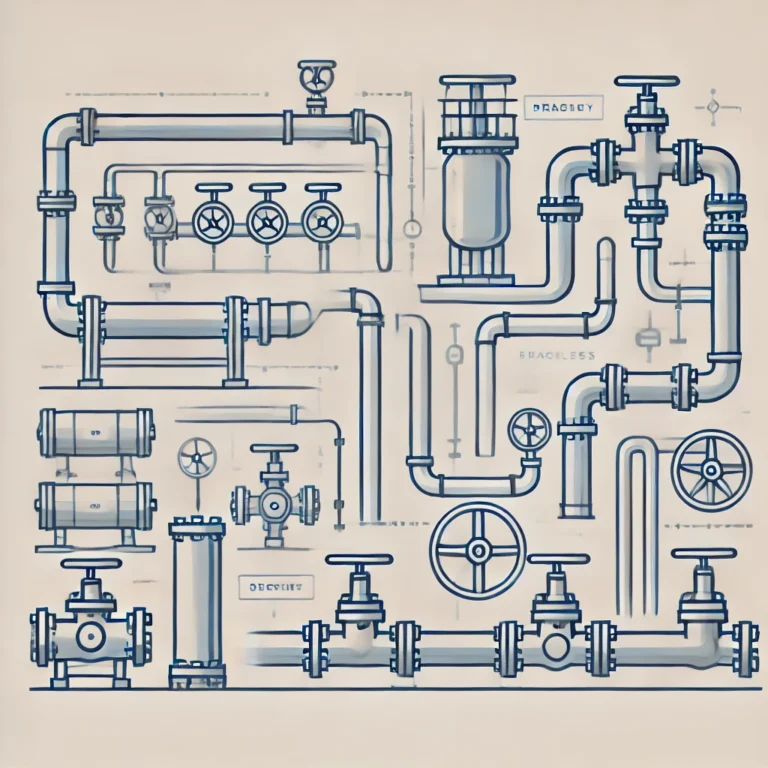
Discover advanced chemical piping systems designed for the safe and efficient transport of chemicals in industrial environments. Learn about solutions that ensure compliance, safety, and reliability

Why Water Treatment Plants Matter

Water treatment plants perform several critical functions that directly influence public health, environmental protection, and water security. Understanding their role helps underscore why they are essential to modern infrastructure.

  1. Protecting Public Health

Water treatment plants ensure that the water we drink, cook with, and bathe in is free from harmful contaminants. Raw water from natural sources like rivers, lakes, and groundwater often contains bacteria, viruses, heavy metals, pesticides, and other pollutants that can pose significant health risks. These plants use advanced purification methods to remove these hazards, ensuring communities have access to safe, clean water.

  1. Preserving the Environment

In addition to providing safe drinking water, treatment plants protect the environment by filtering pollutants from water before releasing it back into natural ecosystems. By removing harmful chemicals and waste products, treatment plants prevent pollution in rivers, lakes, and oceans. This also helps preserve aquatic ecosystems and protect wildlife from toxic substances.

For example, untreated water can lead to the degradation of aquatic life, while treated water ensures the sustainability of ecosystems. The efforts of water treatment plants thus play a key role in environmental conservation.

  1. Meeting Legal and Regulatory Standards

Water treatment plants must comply with stringent regulations set by government agencies to ensure the water supplied is safe for consumption. Regulatory bodies like the Environmental Protection Agency (EPA) set specific limits on the levels of contaminants allowed in drinking water. Water treatment plants must regularly test, monitor, and report on water quality to ensure compliance with these regulations.

Failure to meet these standards can result in penalties and risks to public health, so adherence to these regulations is critical. To learn more about water quality standards, visit the EPA Water Quality Standards.

The Key Functions of Water Treatment Plants

Water treatment plants use a variety of processes to purify water, ensuring it meets the necessary safety standards. Each step plays an important role in the treatment cycle.

  1. Sedimentation

Sedimentation is the initial stage where large particles like dirt and sand settle at the bottom of treatment tanks. This simple yet effective process reduces water turbidity, making the subsequent treatment stages more efficient.

  1. Filtration

Once sedimentation is complete, water passes through filtration systems. These filters consist of layers of sand, gravel, and charcoal that remove smaller particles, bacteria, and other impurities. This step ensures the water is clear and free from most harmful substances.

  1. Disinfection

The final stage involves adding disinfectants like chlorine to kill any remaining bacteria and viruses. Disinfection is crucial for ensuring that harmful pathogens do not reach the public water supply. It is one of the most critical processes in ensuring water safety.

For a more detailed explanation of the water treatment process, you can visit the World Health Organization’s Water Treatment Guidelines.

Ensuring a Reliable Water Supply

Water treatment plants are designed to process large volumes of water to meet community demand, ensuring a reliable and consistent supply. Whether for household use, industrial purposes, or emergencies, water treatment plants ensure communities have uninterrupted access to clean water.

During peak usage periods or in times of drought, water treatment plants help manage water supply efficiently. Their ability to provide a steady stream of safe water is a cornerstone of public infrastructure.

Emergency Preparedness

In times of natural disasters or outbreaks of waterborne diseases, water treatment plants become even more critical. They are equipped with contingency plans and backup systems to maintain the water supply during emergencies. This is essential for public safety, as access to clean water is vital in these situations.

For instance, during floods or droughts, water treatment plants adjust their operations to continue providing safe water. Their role in emergency preparedness helps communities stay resilient during challenging times.

Conclusion

Water treatment plants are indispensable in ensuring clean and safe water for communities. By protecting public health, preserving the environment, and adhering to strict regulatory standards, they play a pivotal role in modern infrastructure. Regular maintenance, compliance, and innovation are crucial to the continued effectiveness of water treatment plants, ensuring they can meet the growing needs of society.

Water treatment plants play a crucial role in ensuring safe, clean, and sustainable water supply for industrial and commercial applications. Companies like SRJ Piping India specialize in designing and constructing efficient water treatment systems that remove contaminants and improve water quality. Proper industrial piping integration enhances the efficiency and reliability of these plants. Adhering to global standards such as WHO water quality guidelines and Central Pollution Control Board (CPCB) regulations ensures compliance and promotes sustainable water management.

Protecting What Matters: Understanding Fire Protection Systems

Fire Protection Systems for Buildings: Safeguarding Lives and Property

Table of Contents

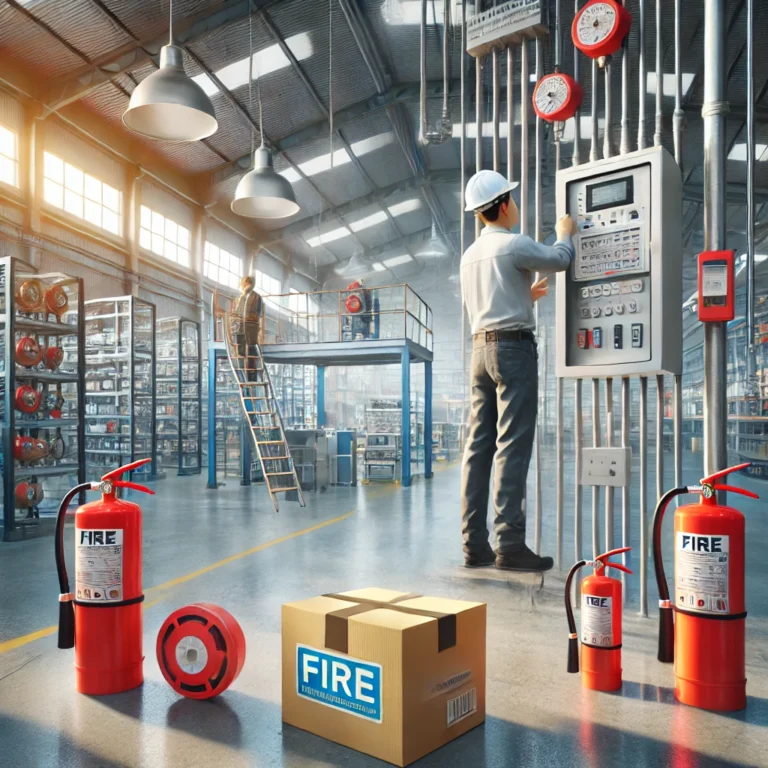
Fire is a force capable of causing unimaginable destruction, making fire protection systems an essential part of any building’s safety infrastructure. Whether you are a property owner, manager, or tenant, it’s crucial to understand how these systems work and why they are necessary. In this blog, we’ll explore the importance of fire protection systems, the types available, and how to choose the right one for your building.

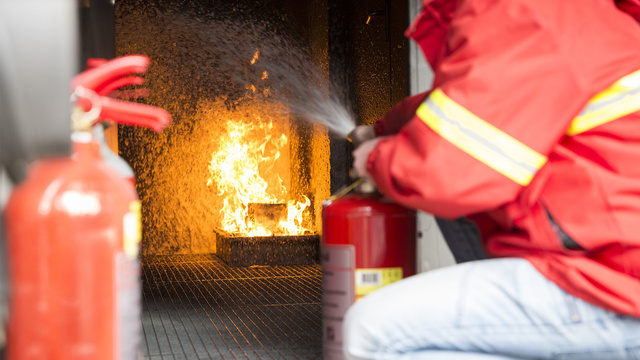
Latest advancements in fire fighting technology and techniques.

Why Are Fire Protection Systems Essential?

Fire protection systems play a critical role in detecting, controlling, and extinguishing fires. They not only protect property but also save lives. Here are some key reasons why fire protection systems are essential:

1. Life Safety

The primary goal of any fire protection system is to protect the occupants of a building. Systems like fire alarms, smoke detectors, and sprinklers can detect fires early, allowing occupants to evacuate safely before the situation worsens.

2. Property Protection

Fires can cause severe damage to buildings and their contents. With fire protection systems in place, the spread of fire is minimized, which can significantly reduce property damage and the associated financial losses.

3. Compliance with Regulations

Many local and national fire safety codes mandate the installation of fire protection systems in both commercial and residential buildings. Compliance with these regulations is not only a legal requirement but also critical for ensuring the safety of the building’s occupants.

4. Insurance Requirements

Insurance companies often require fire protection systems as part of their coverage conditions. Having a system installed can help reduce premiums and ensure that you are fully covered in the event of a fire.

Types of Fire Protection Systems

There are various types of fire protection systems available, each designed to address different fire risks. Below are some of the most common systems:

1. Fire Alarm Systems

Fire alarms detect the presence of smoke, heat, or flames and alert building occupants through audible and visual signals. They can also be integrated with other fire protection systems, such as sprinklers, for a more comprehensive safety solution.

2. Sprinkler Systems

Sprinkler systems are highly effective in controlling and extinguishing fires. When a fire is detected, the sprinklers release water to suppress the flames. This system is ideal for minimizing property damage and controlling the spread of fire until firefighters arrive.

3. Fire Extinguishers

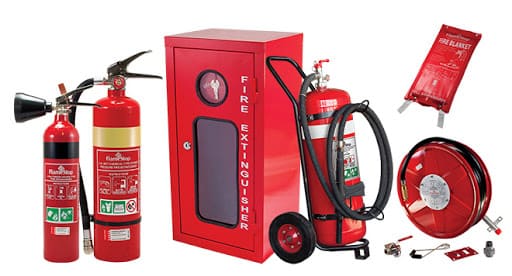
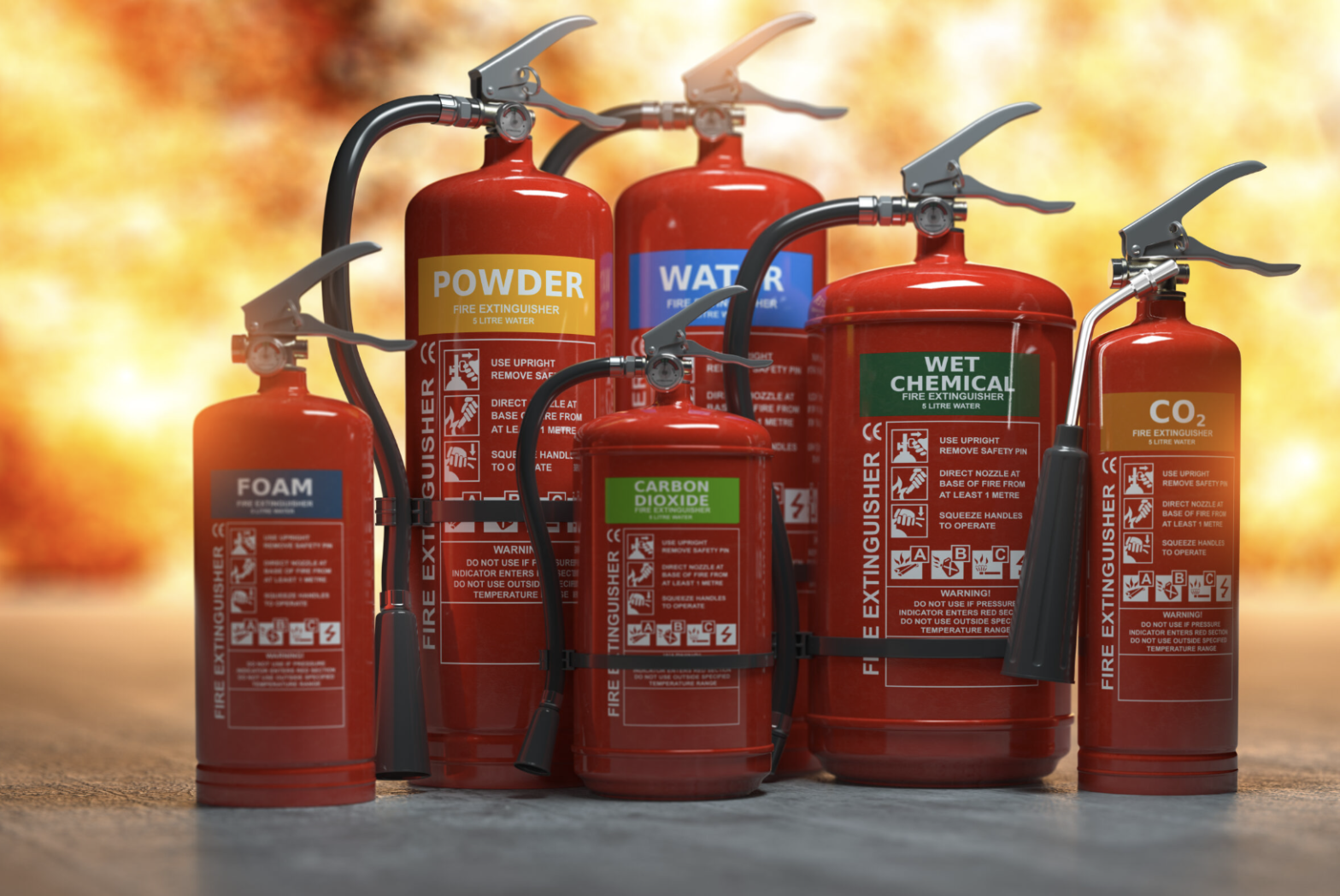
Portable fire extinguishers are designed to tackle small fires before they spread. They come in different classes, including Class A (ordinary combustibles), Class B (flammable liquids), and Class C (electrical fires). Fire extinguishers should be strategically placed throughout a building for quick access during an emergency.

4. Fire Suppression Systems

Fire suppression systems use specialized agents, such as clean gases or foam, to suppress fires in sensitive areas like server rooms, kitchens, or data centers. These systems are designed to quickly suppress fires while minimizing damage to equipment.

5. Smoke Control Systems

Smoke control systems manage the movement of smoke in a building, keeping evacuation routes clear and providing safer egress for occupants. These systems can include smoke curtains, smoke dampers, or pressurization systems to prevent smoke from spreading.

How to Choose the Right Fire Protection System

Selecting the correct fire protection system for your building requires careful consideration of several factors. Here are key points to consider:

1. Conduct a Risk Assessment

Evaluate the fire risks in your building by identifying potential hazards, such as flammable materials or electrical systems. This will help determine the level of fire protection required.

2. Understand Building Codes

Ensure that your fire protection system complies with local building codes and regulations. These codes will guide the type, design, and installation of the system in your specific building type.

3. Integrate Systems for Full Coverage

For maximum protection, consider integrating multiple fire protection systems. For example, combining fire alarms with sprinkler systems can provide a comprehensive fire response plan.

4. Maintenance and Inspections

Regular maintenance and inspections are crucial to keeping your fire protection system functional. Consider the long-term costs of maintaining your system and ensure it is easily serviced by qualified professionals.

5. Training and Education

Educating occupants and staff on fire safety is just as important as having a fire protection system. Ensure they know how to use fire extinguishers, respond to alarms, and evacuate safely in an emergency.

Importance of Fire Protection Piping Systems – SRJ

When it comes to fire protection, having a reliable fire protection piping system is essential. At SRJ Piping India, we offer high-quality piping systems designed for efficient fire suppression. Our systems are built to ensure consistent water flow and quick response times during a fire emergency. To learn more, visit our page on fire protection piping solutions.

For more information about fire safety regulations, you can explore NFPA’s Fire Safety Standards.

Conclusion

Fire protection systems are essential for safeguarding lives, property, and ensuring compliance with regulations. Whether it’s fire alarms, sprinklers, or suppression systems, choosing the right system for your building will provide peace of mind and reduce the risks associated with fire. Remember, regular maintenance and inspections are just as important as the initial installation.

For expert advice on installing fire protection systems, consult SRJ’s Fire Protection Services. Don’t wait until it’s too late—invest in the safety of your building and its occupants today.

Need Reliable Fire Protection for Your Building?

SRJ Piping India delivers end-to-end fire protection systems that safeguard both life and property—built to code, tested for crisis.

Top Structural Fabrication Trends for 2025

Top Trends in Structural Fabrication for 2025 | SRJ Piping India

Top Trends in Structural Fabrication for 2025

Discover the innovations reshaping the future of structural steel and piping fabrication

Structural Fabrication Trends 2025

The evolving landscape of structural fabrication technology

Introduction: The Changing Face of Fabrication

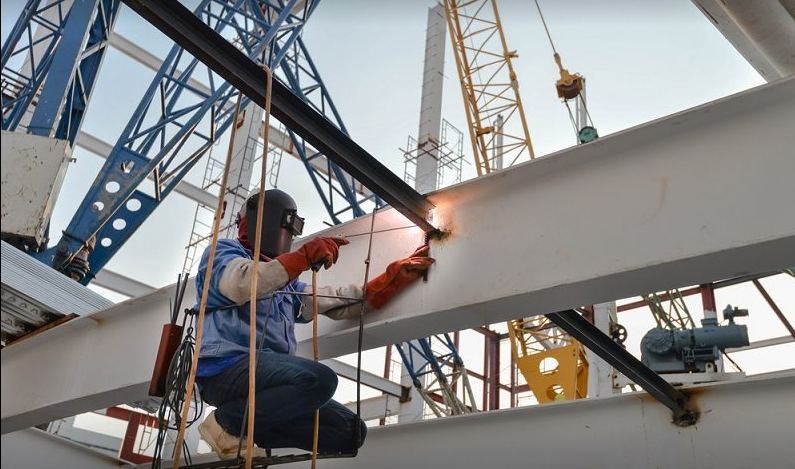
The structural fabrication industry is undergoing a radical transformation as we approach 2025. At SRJ Piping India, we're at the forefront of these changes, implementing cutting-edge technologies to deliver superior quality and efficiency.

According to recent McKinsey research, the global fabrication market is projected to grow at 6.2% CAGR through 2025, driven by these technological advancements.

Key Takeaways

  • Automation will handle 45% of fabrication tasks by 2025 (up from 28% in 2022)
  • Sustainable materials account for 35% of new projects
  • Digital twin adoption has grown 300% since 2020
  • Modular construction reduces project timelines by 40%

1. Advanced Automation & Robotics

The fabrication floor of 2025 will be dominated by collaborative robots (cobots) working alongside human technicians. At SRJ Piping, we've already implemented:

  • Automated plasma cutting systems with 0.1mm precision
  • Robotic welding arms with AI vision systems
  • Autonomous material handling vehicles

These technologies have increased our production efficiency by 32% while reducing material waste by 18%. Industry reports show similar benefits across the sector.

Robotic welding in fabrication

Robotic welding systems now achieve precision beyond human capabilities

2. Next-Gen Materials & Composites

Material science breakthroughs are enabling stronger, lighter, and more durable structures:

Material Advantages Applications
High-Strength Low-Alloy (HSLA) Steel 30% lighter, 20% stronger than conventional steel Bridges, high-rises, industrial plants
Fiber-Reinforced Polymers Corrosion-resistant, 1/5 the weight of steel Marine structures, chemical plants
Self-Healing Concrete Automatically repairs cracks Foundations, infrastructure

Our materials division is testing graphene-enhanced steel that could revolutionize structural integrity.

3. Sustainable Fabrication Practices

With increasing environmental regulations, green fabrication is no longer optional. Key developments include:

  • Zero-waste fabrication processes
  • Solar-powered fabrication plants
  • Closed-loop water recycling systems
  • Low-carbon steel production methods

International Piping recently achieved ISO 14001 certification for our environmental management system, reducing our carbon footprint by 42% since 2020.

Sustainable fabrication

Modern fabrication plants incorporate renewable energy sources

4. Digital Twin Technology

Digital twins are virtual replicas of physical structures that enable:

  • Real-time performance monitoring
  • Predictive maintenance scheduling
  • Stress testing before physical construction
  • Lifetime structural health tracking

Our digital fabrication services now include digital twins for all major projects, reducing onsite errors by 65%.

5. Modular & Prefabricated Construction

The shift to offsite fabrication continues to accelerate with benefits including:

  • 40% faster project completion
  • 30% cost reduction
  • Higher quality control
  • Reduced weather delays

Our modular fabrication facility in Pune can produce complete structural modules up to 80 tons for shipment to job sites.

Modular construction

Prefabricated structural components ready for assembly

6. AI-Driven Design Optimization

Artificial intelligence is transforming structural design through:

  • Generative design algorithms
  • Material optimization
  • Load analysis automation
  • Failure prediction models

Our partnership with Autodesk has enabled us to reduce material usage by 22% while maintaining structural integrity.

7. Smart Safety Innovations

2025 will see widespread adoption of:

  • IoT-enabled PPE that monitors worker vitals
  • Augmented reality safety training
  • Predictive hazard detection systems
  • Exoskeletons for heavy lifting

These technologies have helped SRJ Piping achieve 500+ accident-free days at our largest facility.

Smart safety gear

Next-generation safety equipment with built-in sensors

SRJ Piping India's advanced fabrication capabilities can help you stay ahead of these industry trends.

Contact Our Experts Today

Looking Beyond 2025

The structural fabrication industry shows no signs of slowing its innovation pace. Emerging technologies to watch include:

  • 3D printed steel structures
  • Self-assembling nano-materials
  • Quantum computing for structural analysis
  • Bio-inspired structural designs

At SRJ Piping, we're already investing in R&D to bring these future technologies to market.

Expert Q&A

Q: How quickly should fabricators adopt these 2025 trends?

A: The transition should be gradual but deliberate. Start with pilot projects in automation and digital twins, as these offer the fastest ROI (typically 12-18 months). Our consulting team can help develop a customized adoption roadmap.

Q: What's the biggest barrier to implementing these technologies?

A: Workforce training is the most common challenge. We recommend partnering with technical institutes and implementing comprehensive upskilling programs alongside technology adoption.

Q: Are these trends relevant for small-scale fabricators?

A: Absolutely. Many technologies like cloud-based design software and modular approaches are scalable and affordable. The key is focusing on solutions that address your specific pain points.

All That You Need To Know About Fire Extinguishers

All That You Need To Know About Fire Extinguishers | SRJ Piping India

All That You Need To Know About Fire Extinguishers

Your Comprehensive Guide to Fire Extinguisher Types, Uses, Maintenance, and Safety Compliance

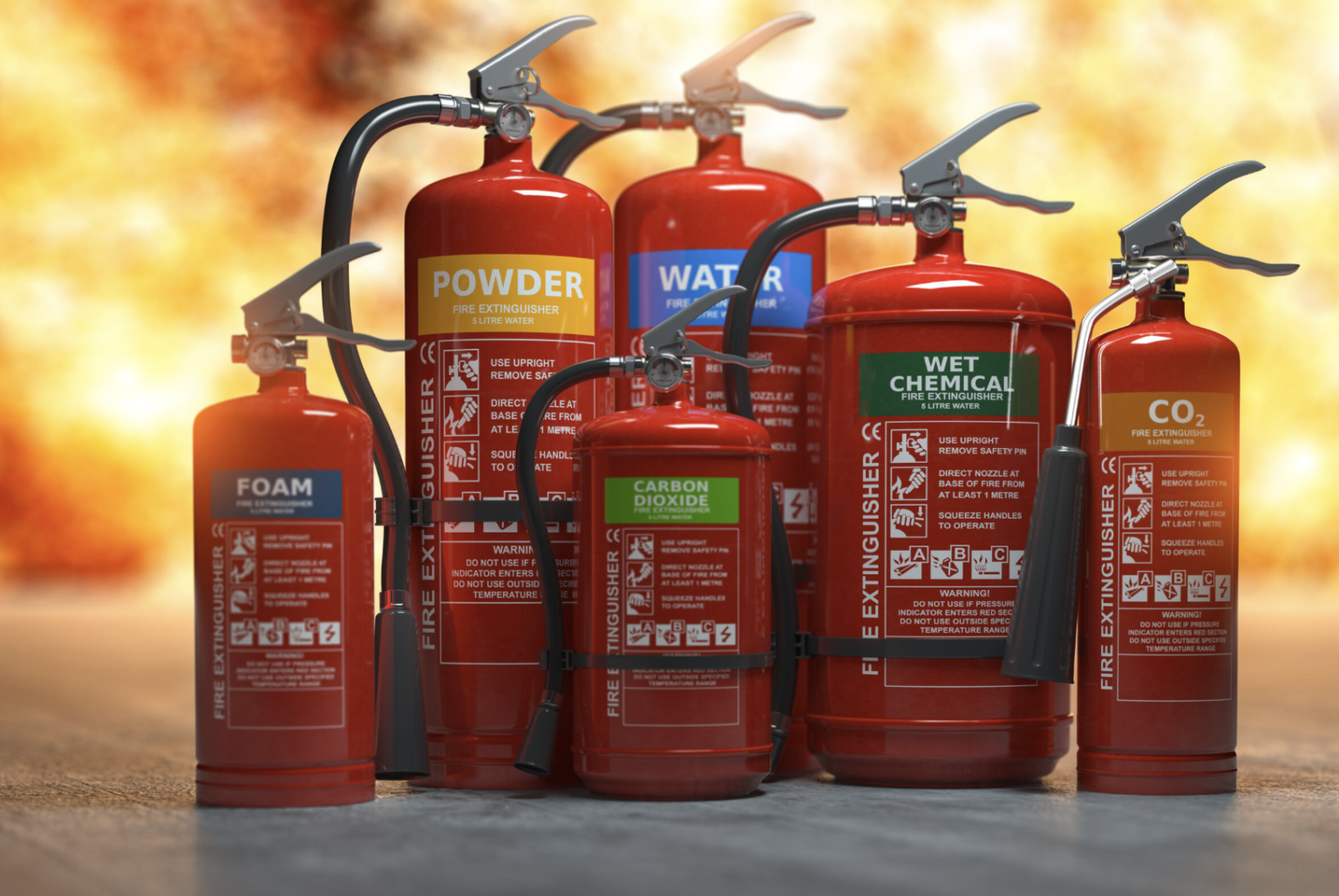
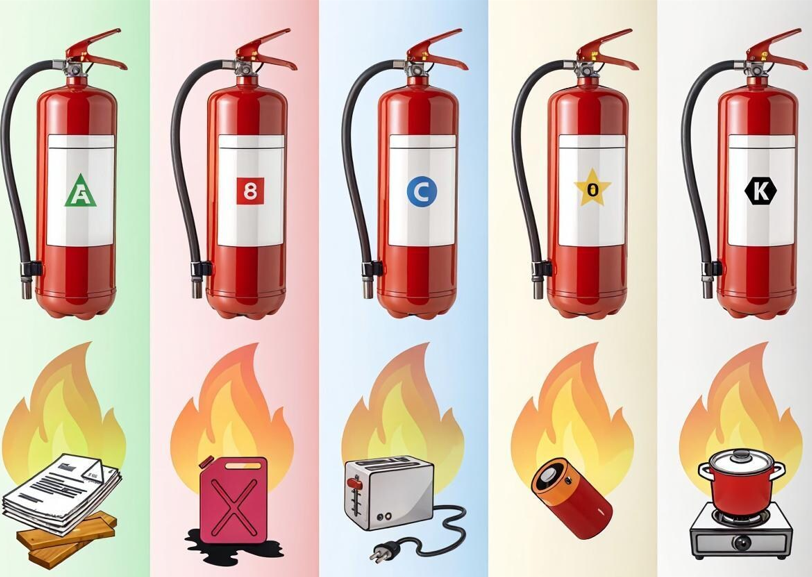
Fire Extinguisher Types Infographic

Visual guide to different types of fire extinguishers and their uses

Why Fire Extinguishers Matter

Fire extinguishers are the first line of defense against small fires, capable of preventing catastrophic damage when used properly. According to the National Fire Protection Association (NFPA), portable fire extinguishers can effectively control or extinguish about 95% of fires that occur when they are:

  • The right type for the fire
  • Properly maintained
  • Easily accessible
  • Used by trained personnel

At SRJ Piping India, we've seen firsthand how properly installed and maintained fire protection systems can save lives and property. Our fire protection services have helped numerous industrial and commercial facilities achieve optimal safety standards.

Key Statistics

  • Fires cause billions in property damage annually worldwide
  • Over 60% of businesses never recover after a major fire incident
  • Proper fire extinguisher use can reduce fire damage by up to 80%
  • Most fire-related deaths are caused by smoke inhalation rather than burns

Types of Fire Extinguishers

Fire extinguishers are classified based on the type of fires they're designed to combat. Understanding these classifications is crucial for effective fire safety.

Class A: Ordinary Combustibles

Designed for fires involving ordinary combustibles like wood, paper, cloth, rubber, and many plastics. These extinguishers typically use water or dry chemical agents.

Common locations: Offices, schools, homes, libraries

Class B: Flammable Liquids

Effective against fires involving flammable liquids such as gasoline, oil, grease, tar, oil-based paints, and flammable gases. These extinguishers use foam, dry chemical, or carbon dioxide.

Common locations: Kitchens, garages, laboratories, industrial sites

Class C: Electrical Equipment

Designed for fires involving energized electrical equipment like appliances, wiring, circuit breakers, and outlets. These extinguishers use non-conductive agents like carbon dioxide or dry chemical.

Common locations: Server rooms, electrical closets, manufacturing plants

Class D: Combustible Metals

For fires involving combustible metals such as magnesium, titanium, potassium, and sodium. These specialized extinguishers use dry powder agents.

Common locations: Laboratories, metal fabrication facilities

Class K: Cooking Media

Designed for commercial kitchen fires involving cooking oils, trans-fats, or fats in cooking appliances. These use wet chemical agents that cool the fire and prevent re-ignition.

Common locations: Commercial kitchens, restaurants, cafeterias

Many modern extinguishers are multipurpose, labeled for use with multiple fire classes (e.g., ABC extinguishers). Our annual maintenance services ensure your extinguishers remain ready for any type of fire emergency.

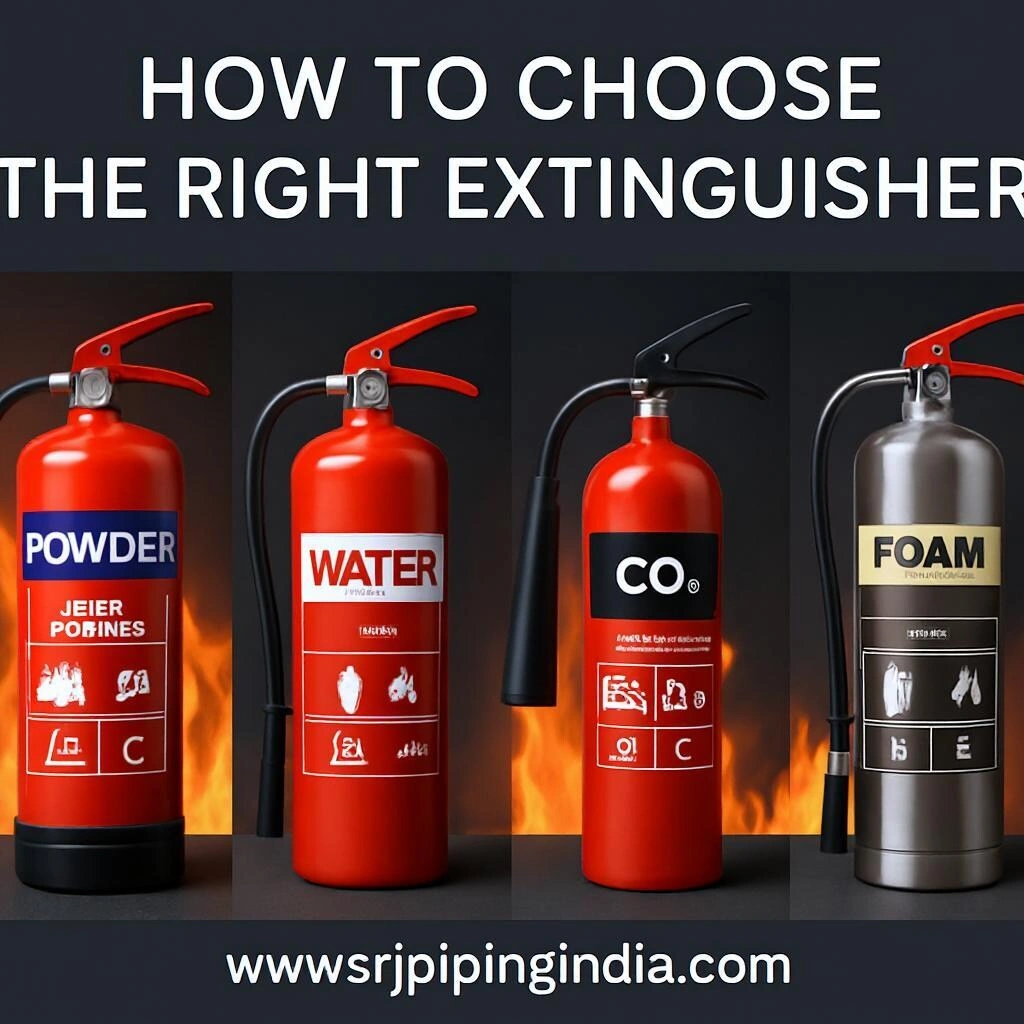
Fire Extinguisher Color Coding

Fire extinguishers often use color-coded labels or bodies to quickly identify their contents and suitable fire types:

Water (Red)
Wet Chemical (Yellow)
Dry Powder (Blue)
Foam (White)
CO₂ (Black)

Note that color coding systems may vary by region. Always read the label for specific instructions and classifications.

How to Choose the Right Extinguisher

Selecting the appropriate fire extinguisher depends on several factors:

Choosing Fire Extinguisher

Factors to consider when selecting fire extinguishers

  1. Fire risk assessment: Identify potential fire hazards in your facility
  2. Size and layout: Ensure adequate coverage for all areas
  3. User capability: Consider who will be operating the extinguishers
  4. Environmental factors: Temperature extremes or special hazards
  5. Compliance requirements: Meet local regulations and insurance standards

Our experts at SRJ Piping India can conduct a comprehensive fire protection system assessment to recommend the ideal extinguisher types and placements for your specific needs.

The PASS Method of Operation

Using a fire extinguisher correctly requires following the PASS technique:

P

Pull the pin

Break the tamper seal and pull the pin to unlock the operating lever

A

Aim low

Point the nozzle or hose at the base of the fire

S

Squeeze the lever

This releases the extinguishing agent

S

Sweep side to side

Move carefully across the fire until it's out

Important Safety Tips

  • Always have an escape route at your back
  • Never turn your back on a fire, even if it appears to be out
  • If the fire grows or doesn't extinguish quickly, evacuate immediately
  • Only attempt to fight small, contained fires

Proper Placement and Accessibility

Effective fire extinguisher placement is critical for quick response:

  • Visibility: Mount in conspicuous locations with clear markings
  • Accessibility: No more than 5 feet above the floor
  • Proximity: Within 75 feet of any point in commercial buildings
  • Hazard areas: Near specific hazards like kitchens or electrical panels
  • Pathways: Along normal paths of travel and exits

Our industrial piping experts can help design optimal fire protection system layouts for complex facilities.

Fire Extinguisher Maintenance

Regular maintenance ensures extinguishers will function when needed:

Maintenance Activity Frequency Description
Visual Inspection Monthly Check for proper pressure, visible damage, and accessibility
Professional Inspection Annually Certified technician checks internal and external condition
Hydrostatic Testing Every 5-12 years Pressure test to verify cylinder integrity (varies by type)
Recharging After use or when needed Refill extinguishing agent and repressurize

SRJ Piping India offers comprehensive annual maintenance contracts to keep your fire protection systems in peak condition.

Fire Extinguisher Maintenance

Proper maintenance extends extinguisher lifespan and reliability

Compliance Standards and Regulations

Fire extinguishers must meet various national and international standards:

  • NFPA 10: Standard for Portable Fire Extinguishers
  • OSHA 29 CFR 1910.157: Portable Fire Extinguishers requirements
  • IS 2190: Indian Standard for selection and installation
  • EN 3: European standard for portable extinguishers
  • UL 711: Rating and fire testing of extinguishers

Our fire protection systems are designed and installed to meet all relevant standards, ensuring compliance and optimal safety.

Frequently Asked Questions

How often should fire extinguishers be replaced?

Fire extinguishers don't have a specific expiration date but typically last 10-12 years with proper maintenance. They should be replaced when they can no longer be properly serviced or fail hydrostatic testing.

Can I use any fire extinguisher on an electrical fire?

Only Class C or multipurpose (ABC) extinguishers should be used on electrical fires. Water-based extinguishers can conduct electricity and create shock hazards.

How far will a typical fire extinguisher spray?

Most portable extinguishers have a range of 6-20 feet, depending on size and type. Always check the manufacturer's specifications for your specific model.

What's the difference between dry chemical and CO₂ extinguishers?

Dry chemical extinguishers leave a residue but are effective on multiple fire types. CO₂ extinguishers leave no residue but are only effective on Class B and C fires and can be dangerous in confined spaces.

How many fire extinguishers does my business need?

The number depends on your facility's size, layout, and fire hazards. NFPA 10 recommends extinguishers be no more than 75 feet apart in commercial buildings. Our fire protection experts can conduct a thorough assessment.

Professional Fire Protection Services

SRJ Piping India offers comprehensive fire protection solutions:

  • Fire extinguisher supply and installation
  • Annual maintenance and inspection contracts
  • Fire risk assessments and system design
  • Employee fire safety training
  • Compliance audits and certification support

With our expertise in industrial systems and structural fabrication, we deliver integrated fire protection solutions for complex facilities.

Ready to Enhance Your Fire Safety?

Contact SRJ Piping India today for a free consultation on your fire protection needs.

Get a Free Assessment

Or call us at: +91 80416 63637 / +91 98805 91727

Want To Buy Fire Protection Systems for Your Factory? Read This

Want To Buy Fire Protection Systems for Your Factory? Read This | SRJ Piping India

Want To Buy Fire Protection Systems for Your Factory? Read This

Your comprehensive guide to selecting, installing, and maintaining the right fire protection system for your industrial facility

Factory Fire Protection System

Modern fire protection systems are essential for industrial safety

Key Takeaways

  • Industrial fire protection systems reduce risk by up to 85% when properly installed
  • NFPA and IS standards mandate specific requirements for different industries
  • Combination systems (water + chemical) provide the most comprehensive protection
  • Professional maintenance can extend system lifespan by 10-15 years
  • Early detection systems can reduce fire damage costs by 60-70%

Why Factory Fire Protection is Non-Negotiable

Industrial facilities face unique fire risks due to the presence of flammable materials, electrical equipment, and often complex layouts. According to the National Crime Records Bureau, India reported over 10,000 factory fires in the last five years, resulting in significant economic losses and, tragically, loss of life.

A properly designed fire protection system serves three critical functions:

  1. Life Safety: Protects your most valuable asset - your employees
  2. Asset Protection: Minimizes damage to buildings, equipment, and inventory
  3. Business Continuity: Reduces downtime and helps operations resume quickly
Fire Protection Importance

Proper fire protection saves lives and protects investments

At SRJ Piping India, we've seen firsthand how the right fire protection system can mean the difference between a minor incident and a catastrophic loss. Our fire protection solutions are designed specifically for Indian industrial environments.

Types of Industrial Fire Protection Systems

Choosing the right type of system depends on your factory's specific hazards, size, and processes. Here are the main categories:

1. Water-Based Systems

  • Sprinkler systems (wet, dry, pre-action, deluge)
  • Water spray systems
  • Water mist systems

Best for: General manufacturing, warehouses, facilities with Class A (ordinary combustibles) hazards

2. Chemical Suppression Systems

  • Clean agent systems (FM-200, Novec 1230)
  • CO2 systems
  • Foam systems

Best for: Data centers, electrical rooms, flammable liquid storage (Class B hazards)

3. Special Hazard Systems

  • Explosion suppression systems
  • Industrial kitchen hood systems
  • Flammable vapor detection

Best for: Chemical plants, refineries, food processing facilities with unique risks

Many facilities benefit from a combination approach. For example, our MEP systems often integrate multiple fire protection technologies for comprehensive coverage.

How to Select the Right System for Your Factory

Selecting a fire protection system requires careful evaluation of several factors:

1. Hazard Assessment

Identify all potential fire hazards in your facility:

  • Flammable materials stored or used
  • Electrical equipment
  • Hot work areas
  • Special processes

2. Building Characteristics

  • Size and layout
  • Construction materials
  • Ventilation
  • Occupancy patterns

3. Regulatory Requirements

Your system must comply with:

  • National Building Code of India
  • Factory Act requirements
  • Industry-specific standards
  • Local fire department regulations

4. Business Priorities

  • Budget constraints
  • Downtime tolerance
  • Future expansion plans

Our consultation process helps clients navigate these complex decisions to find the optimal solution.

Key Components of an Effective System

A complete industrial fire protection system typically includes:

Fire System Components

Modern systems integrate multiple components for complete protection

  1. Detection System: Smoke, heat, and flame detectors
  2. Alarm System: Audible and visual alerts
  3. Suppression System: Sprinklers, chemical agents, or foam
  4. Control Panel: System brain that monitors and activates components
  5. Water Supply: Tanks, pumps, and piping for water-based systems
  6. Emergency Lighting: Exit path illumination
  7. Manual Controls: Pull stations and extinguishers

For facilities requiring complex industrial piping, we design integrated solutions that meet both fire protection and process needs.

Compliance with Fire Safety Standards

Indian factories must comply with several key standards:

Standard Scope Applicability
IS 3844 Code of practice for installation and maintenance of automatic fire alarm systems All factories
IS 2189 Automatic sprinkler systems Factories with high fire load
NFPA 13 Standard for installation of sprinkler systems Multinational companies
IS 15301 Fire safety in chemical industries Chemical plants

Our certifications and accreditations ensure all installations meet or exceed these requirements.

Professional Installation Process

A proper installation follows these key steps:

1. Design and Engineering

  • Hazard analysis
  • Hydraulic calculations
  • System layout

2. Material Procurement

  • Approved components
  • Quality assurance checks
  • Custom fabrication if needed

3. Installation

  • Piping and equipment installation
  • Electrical connections
  • Integration with other systems

4. Testing and Commissioning

  • Hydrostatic tests
  • Functional tests
  • Final approval

Our fabrication expertise allows us to create custom solutions for challenging installations.

Ongoing Maintenance Requirements

Regular maintenance is crucial for system reliability. Key activities include:

Weekly/Monthly Checks

  • Visual inspection of components
  • Alarm testing
  • Pressure gauge monitoring

Quarterly Tests

  • Water flow tests
  • Control valve operation
  • Backflow preventer checks

Annual Maintenance

  • Full system inspection
  • Sprinkler head checks
  • Pump performance tests

Our annual maintenance program ensures your system remains in peak condition year after year.

Cost Considerations and ROI

While fire protection systems require investment, they provide substantial returns:

Fire Protection ROI

Proper fire protection pays for itself many times over

Cost Factors

  • System type and size
  • Building complexity
  • Local water supply conditions
  • Special hazard requirements

Financial Benefits

  • Insurance premium reductions (typically 15-25%)
  • Tax benefits under Section 35AD
  • Reduced business interruption costs
  • Asset protection

We offer customized solutions to fit various budget requirements without compromising safety.

Success Stories from Indian Factories

Automotive Components Manufacturer

Challenge: Needed protection for paint shop with flammable vapors

Solution: Foam deluge system with specialized detection

Result: Contained minor fire with zero spread or downtime

Textile Mill

Challenge: High-piled combustible storage in warehouse

Solution: ESFR sprinkler system with early suppression capability

Result: 40% lower insurance premiums and peace of mind

Food Processing Plant

Challenge: Needed protection for electrical panels and cooking areas

Solution: Combination of clean agent and wet chemical systems

Result: Passed international audit with zero findings

View more of our projects and client successes.

Expert Answers to Common Questions

Q: How often should fire protection systems be tested?

A: Basic tests should be weekly/monthly, with comprehensive annual testing. NFPA 25 specifies exact requirements based on system type.

Q: Can we install a system without disrupting operations?

A: Yes, we specialize in phased installations that minimize operational impact.

Q: What's the typical lifespan of a fire protection system?

A: Properly maintained systems last 20-30 years, though components like detectors may need earlier replacement.

Q: How do we choose between different sprinkler types?

A: The decision depends on your hazard classification, ambient temperatures, and water supply. Our engineers can assess your specific needs.

Ready to Protect Your Factory?

Don't wait for an incident to discover your fire protection isn't adequate. Our experts will assess your facility and recommend the optimal solution.

Call Now: +91-80416-63637

Or contact us online for a free consultation

5 Reasons Its High Time You Have Your Fire Protection System Inspected

5 Reasons It's High Time You Have Your Fire Protection System Inspected   

Table of Contents

If you’ve been watching the news, you must be aware of the numerous fire incidents that routinely take place in different parts of the country. Last year alone, India was devastated by three fatal fires that broke out in a Mumbai hotel, a temple in Madurai, and a factory in Delhi. Not just that, these incidents were earmarked as the deadliest ones as they resulted in mass casualties and caused irreparable damage to property. Y

et, investigations revealed that the incendiary events were just waiting to happen. If you need further proof that fire accidents in India are largely unabated, here’s a report published by FICCI-Pinkerton that will be sure to convince you. This risk survey carried out in 2017 designates fire as the 4th highest natural risk that plagues Indian factories and businesses.

Although awareness around fire prevention and safety has increased in recent times, there are several fallacies out there that need to be immediately debunked. One such popular myth concerning fire safety is that installing a fire protection system is the final step to everlasting protection. That is what one might call total FAKE NEWS!

Any safety expert will tell you that fire protection systems will inevitably age and turn defective. It is up to us to regularly inspect and maintain them.

Top 5 Reasons to Check up on your Fire Protection System

In this spirit, here are the top 5 reasons to check up on your fire protection system ASAP.
  1. Respect the Law

    If you’re reluctant to have your fire protection system inspected, do it simply because it’s the law. You would probably agree that the last thing any factory-owner or building proprietor needs is to get in trouble with the authorities. For no other reason than it could be extremely bad for business. Most local agencies and government bodies have stringent requirements that mandate a frequent inspection of all the firefighting equipment on the premises. By carrying out these rigorous checks, you can rest easy knowing that your business is in full compliance with the law.

  2. Have your Employees’ Back

    Aside from obeying building codes and standards, a great reason to have your fire protection systems inspected is that it helps save lives. Literally! Factory floors and high-rise offices are usually teeming with people who are going about their work. Apart from the usual occupants, there might be a significant number of individuals who are simply in the building for an appointment. When summed up, the total figure is high. As the manager or boss, it is your responsibility to ensure all of their safety. While installing a fire protection system is a great step in that direction, guaranteeing that the devices are fully-functional all the time is key.

  3. Money Saved is Money Earned

    Worried about racking up unaffordable inspection charges? Well, let us tell you right now that taking your fire protection system for granted will end up costing you a lot more. When a fire erupts at a commercial space, property damage and business downtime are not the only consequences. Your company might be opening itself up to enormous lawsuits filed on behalf of injured employees or customers. You could actually end up saving money by maintaining your fire protection system as it would decrease your insurance premiums.

  4. No More False Alarms

    You could purchase the highest-priced, state-of-the-art fire protection system on the market and it would still be vulnerable to some malfunction. Defectiveness among fire protection systems is fairly common as they are made up of several delicate electrical parts. This is primarily why false alarms are also a regular event, especially when a fire protection system hasn’t been inspected recently. The only certified solution is to carry out regular testing of fire protection devices such as smoke alarms and heat detectors. False alarms are a nuisance to workplaces as they result in a wastage of time and money. It is also likely that your firm will be slapped with a hefty fine by the Fire Department in such cases.

  5. Prevention is the cure

    Finally, the last reason why you should have your fire protection system inspected is to protect your investment. Obviously fire protection systems don’t come cheap. Their prices are increasing every day and you don’t want to splurge on a new one just yet. Your fire protection system can last beyond its shelf life as long as you commit to a strict schedule of inspections. 

If you’re in doubt about how to inspect fire safety systems, just pick up the phone and call in a pro like SRJ Piping India. We have a great team of experienced engineers who will take it from there. 


For more information, contact us now!

Is your fire protection system overdue for an inspection? Neglecting regular checks can have dire consequences—from failed compliance audits to catastrophic fire incidents. According to the NFPA’s Fire Inspection Manual82% of fire system failures result from poor maintenance—a risk easily mitigated with proactive care. At SRJ Piping India, our Comprehensive Fire System Inspection service identifies hidden issues like corroded pipes or faulty alarms before they escalate. Don’t wait for a crisis: OSHA’s Emergency Preparedness Guidelines mandate regular inspections, a process we simplify in our Fire Safety Maintenance Checklist. Protect your assets and workforce—schedule your inspection today.

Due for a Fire System Inspection?

SRJ Piping India offers expert inspections to keep your fire protection systems compliant, functional, and ready for emergencies.

How To Prepare A Simple Fire Protection Plan For Your Business?

How To Prepare a Simple Fire Protection Plan For Your Business?

Heavy duty fabrication

For any business, big or small, a robust fire protection plan isn’t just a regulatory requirement—it’s a critical investment in the safety of your employees, the security of your assets, and the continuity of your operations. While installing state-of-the-art fire protection systems is a crucial first step, their effectiveness hinges entirely on a well-thought-out and frequently practiced plan. Without clear procedures, even the best equipment can fail to perform effectively in an emergency.

The responsibility for safeguarding employees and property from the devastating impact of fire rests squarely on the shoulders of the employer or property owner. A simple yet comprehensive fire protection plan serves as your blueprint for action, minimizing risks and ensuring a swift, organized response should a fire occur.

The Three Pillars: Primary Goals of Any Fire Protection Plan

Every effective fire protection plan is built upon three fundamental goals:

  • Controlling Fire Hazards: This involves identifying potential sources of ignition and flammable materials within your premises and implementing measures to eliminate or mitigate them. Common hazards include faulty electrical wiring, improper storage of combustibles, overloaded circuits, flammable liquids, and equipment that generates heat. Control measures range from routine electrical inspections and proper waste disposal to maintaining clear pathways and ensuring machinery is correctly installed and maintained.
  • Maintaining Fire Protection Systems: This pillar focuses on ensuring that all your fire safety equipment—such as fire extinguishers, smoke detectors, fire alarms, sprinkler systems, and emergency lighting—is fully functional and ready for immediate use. Regular inspections, testing, and professional servicing are non-negotiable to guarantee optimal performance when it matters most.
  • Evacuating Building Occupants Safely: In the event of a fire, the primary concern is the safe and efficient evacuation of everyone within the building. This requires a clear and well-rehearsed evacuation plan that guides occupants to safety with minimal confusion and delay.

Essential Practices for a Comprehensive Fire Protection Plan

Developing your plan requires meticulous attention to detail and a proactive approach. Here are the essential practices to incorporate:

Consult Local Fire Department Officials

Your local fire department is an invaluable resource. Before finalizing your plan, schedule a consultation with them. They can:

  • Provide Local Code Compliance: Advise you on specific local fire safety codes, ordinances, and regulations that apply to your business type and building structure in Bangalore.
  • Offer Expert Insights: Help identify potential hazards unique to your premises and offer practical solutions based on their extensive experience.
  • Pre-Incident Planning: Familiarize themselves with your building layout, potential hazards, and evacuation routes, which can be critical for their response in an actual emergency. This consultation ensures your plan is not only practical but also compliant and aligned with local emergency services.

Create a Detailed, Clear Evacuation Plan

A robust evacuation plan is the backbone of your fire protection strategy. It must be more than just a vague idea; it needs to be detailed and easily understood by everyone.

  • Marked Exit Routes: Ensure all exit routes are unobstructed, well-lit, and marked with appropriate signage.
  • Primary and Secondary Routes: Designate at least two clear escape routes from every area of your building to provide alternatives if one path is blocked.
  • Designated Assembly Points: Establish safe and easily identifiable outdoor assembly points located at a safe distance from the building. Ensure these points are communicated to all occupants.
  • Considerations for Occupants with Disabilities: Develop specific procedures to assist individuals with mobility impairments or other disabilities during an evacuation.
  • Maps and Signage: Post clear, easy-to-read evacuation maps on every floor, especially near exits and common areas.

Raise Fire Safety Awareness Among Workers

An informed workforce is your first line of defense. Fire safety awareness should be an ongoing effort, not a one-time lecture.

  • Regular Briefings and Reminders: Incorporate fire safety tips into regular team meetings or internal communications.
  • Understanding Hazard Locations: Ensure employees are aware of the locations of fire hazards and know how to report them.
  • Location of Equipment: Everyone must know the location of fire extinguishers, alarm pull stations, and first aid kits.
  • Personal Responsibility: Foster a culture where every employee feels responsible for maintaining a safe environment and reporting potential risks.

Conduct Comprehensive Training for Officials and Employees

Theoretical knowledge is insufficient; practical training is crucial.

  • Basic Fire Extinguisher Usage: Provide hands-on training using the “P.A.S.S.” method (Pull, Aim, Squeeze, Sweep). This empowers employees to tackle small fires before they escalate.
  • First Aid and CPR: Train designated personnel in basic first aid and CPR to handle potential injuries during an emergency.
  • Evacuation Drills and Roles: Conduct regular, unannounced fire drills to practice evacuation procedures. Assign specific roles to employees, such as fire wardens, sweepers (to ensure areas are clear), and assistants for those needing help.
  • Reporting Procedures: Train employees on how to properly report a fire, including the use of emergency services numbers and internal reporting protocols.

Install and Maintain Emergency Lights and Exit Signs

In the event of a power failure during a fire, these systems become lifelines.

  • Strategic Placement: Ensure emergency lights and exit signs are strategically placed along all escape routes to clearly guide occupants, even in smoke-filled conditions.
  • Regular Testing: Emergency lights and signs must be tested monthly to ensure batteries are charged and lights illuminate correctly. Annual complete discharge tests are also necessary to verify battery duration.
  • Proper Illumination: Ensure that exit signs are always illuminated and visible, in compliance with local code requirements.

Establish a Fire Emergency Task Force or Wardens

A dedicated team ensures that coordinated action is taken during an emergency.

  • Designated Roles and Responsibilities: Appoint and train a team of fire wardens or an emergency task force. Their roles might include overseeing evacuations, checking designated areas, assisting people with disabilities, and liaising with emergency services.
  • Clear Communication Channels: Establish clear communication protocols for the task force to communicate effectively with one another and with emergency responders.
  • Regular Refresher Training: Ensure this team receives advanced, regular training in fire safety, evacuation management, and emergency procedures.

Conduct Routine Inspections and Maintenance of Fire Safety Devices

This is the ongoing vigilance that keeps your plan effective.

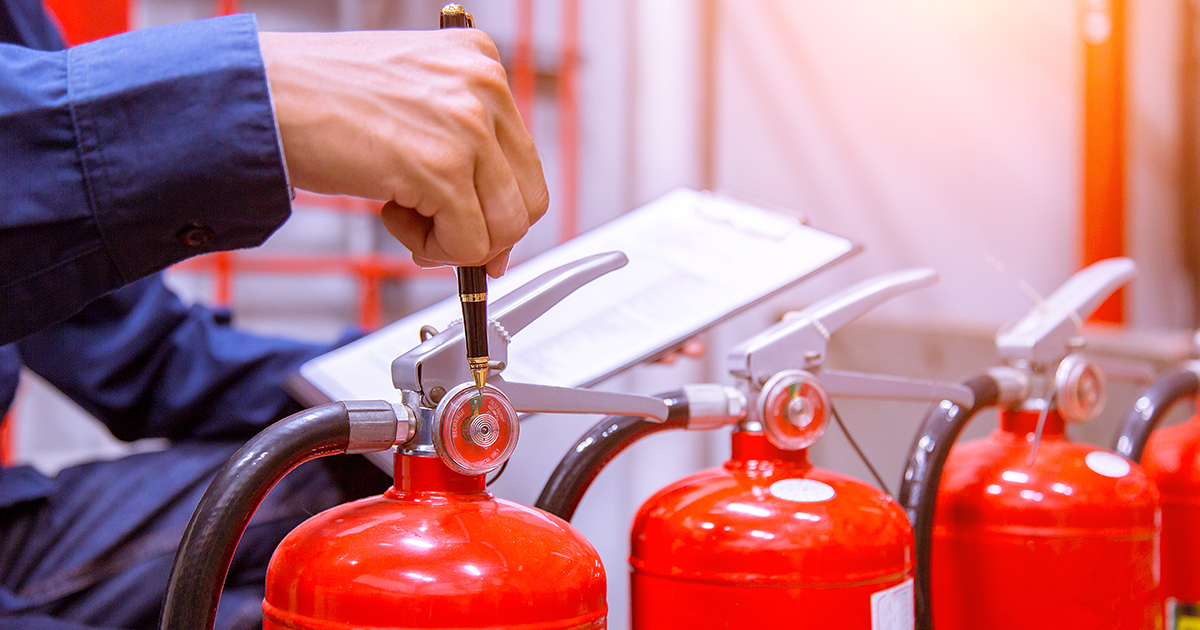
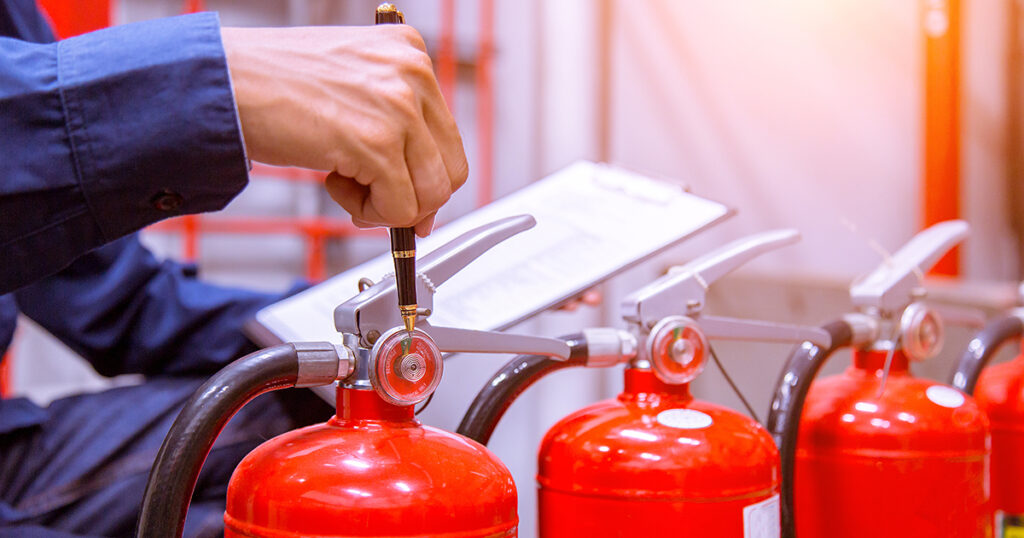
  • Fire Extinguishers: Conduct monthly visual checks (including pressure gauge, tamper-evident seals, and general condition) and annual professional inspections, maintenance, and recharging as required by standards such as NFPA 10.
  • Fire Alarms and Smoke Detectors: Test fire alarm systems regularly (e.g., weekly or monthly) and ensure smoke detectors are tested periodically, with batteries replaced as needed. Professional annual inspections are crucial.
  • Sprinkler Systems: If installed, these systems require regular professional inspections and testing (e.g., quarterly or annually) to ensure proper water pressure, clear heads, and operational valves.
  • Emergency Contact Information: Keep a current list of all emergency contacts (fire department, police, medical services, key personnel) readily accessible.

Conduct Regular Drills and Review the Plan Annually

A plan is only as good as its practice and its currency.

  • Unannounced Drills: Conduct fire drills at least once or twice a year, and ideally, make some of them unannounced to test the actual readiness of your team. Evaluate the drill’s effectiveness and identify areas for improvement.
  • Post-Drill Debriefing: After each drill, gather feedback from employees and the task force to identify areas for improvement and refine procedures.
  • Annual Review and Update: Your business, building, and regulations may change. Review and update your fire protection plan annually, or whenever there are significant changes to your premises, operations, or staff.

Your Partner in Fire Safety: SRJ Piping India

Developing and maintaining a robust fire protection plan might seem daunting, but you don’t have to do it alone. For expert assistance in Bangalore, consider consulting with professionals.

SRJ Piping India specializes in comprehensive fire protection solutions, from installing and maintaining fire extinguishers and alarm systems to advising on the development of practical fire safety plans tailored to your specific business needs. Their expertise ensures that your fire protection plan is not only compliant with all regulations but also truly effective in safeguarding your business.

By taking these steps, you empower your business to effectively control fire hazards, maintain critical safety systems, and ensure the safety of everyone within your premises, thereby fostering a secure environment that supports success.

Creating a simple fire protection plan for your business begins with understanding core risks and compliance requirements. Start by consulting the NFPA’s Small Business Fire Safety Checklist to identify vulnerabilities in your workspace layout and equipment. At SRJ Piping India, we emphasize integrating these standards with practical solutions like our Custom Fire Protection Systems, which are tailored to Bangalore’s unique infrastructure challenges. Don’t overlook staff training—OSHA’s Fire Prevention Plan Guidelines stress its importance, a principle we expand on in our guide to Employee Fire Safety Training. By combining regulatory wisdom with localized expertise, your plan will be both compliant and crisis-ready.

The History of Fire Extinguisher Service in Bangalore

The History of Fire Extinguisher Services

Table of Contents

Comprehensive guide to corrosion protection in piping systems, ensuring durability and long-term efficiency in industrial operations

Through the years, fire protection solutions have gone through evolutionary changes. The demand for high-quality firefighting equipment grew with an increasing number of people recognizing the significance of fire protection. As a result, the fire safety industry grew at an exponential rate. But even today, there is a single type of device that is considered more important than other equipment: the trusty fire extinguisher.

Portable fire extinguishers of all sizes and types have helped avoid major disasters and thus, saved countless lives. Although they are seen almost everywhere today, from shopping malls to stadium venues to large warehouses, fire extinguishers were not always this commonplace. In fact, the modern fire extinguisher has only been around for a couple of centuries. 

This begs the question: how did people quickly put out fires before the extinguisher? In this article, we examine the elaborate history associated with fire extinguishers as well as how they came to be in their present form.

The Historical Past of Fire Extinguishers

When you think about it, the origins of a fire extinguisher can really be traced back to a spark; when primitive cavemen struck two stones together whose friction generated a spark that bellowed into a fire. Yes, there certainly would have been no fire extinguisher without fire itself. However, historians have traced the genesis of fire extinguishers back to civilized Greece in 200 BC. 

The extinguisher, then in the form of an easily-operable hand water pump, was able to quickly disperse a fire before it spread. This basic design of a fire extinguisher was optimized and modified to resemble a syringe-like contraption that would squirt out water through a nozzle to smother the flames. Although this type of fire extinguisher was useful in putting out small fires, it did not come in handy when dealing with blazing fires. 

Skip to early 18th century, when a curious chemist named Ambrose Godfrey put out a patent for the first fire extinguisher ever. The mechanism was based on a fire-extinguishing liquid being released upon ignition of gunpowder housed in a pewter chamber.

The working model of this extinguisher was used to invent several other variations such as the compressed-air extinguisher in 1818 and the soda-acid extinguisher in 1866. The familiar carbon-dioxide and foam fire extinguishers weren’t invented till 1924 by the Walter Kidde Company in the United States.

The Modern Fire Extinguisher

Explore effective corrosion protection methods for industrial piping systems to prevent damage, extend lifespan, and maintain operational efficiency. Learn about advanced techniques and solutions for safeguarding your infrastructure

Over the years, the technology behind fire extinguishers have undergone serious changes in composition, size and even color. Today, this fire safety device is at the forefront of any firefighting provision and justifiably so. The evolution of fire extinguishers means that customers have a wide range of choices currently such as the Dry Powder Fire Extinguisher, Foam Fire Extinguishers, CO2 Fire Extinguishers, Water and Water Mist Fire Extinguishers, Wet Chemical Fire Extinguishers, and so on. 

In order to comply with the best fire safety practices, you need to have your fire extinguishers serviced and refilled regularly. Most instances of fire damage are caused due to leaky, dilapidated extinguishers. Get the best fire extinguisher services in Bangalore at SRJ Piping India

Contact us today on +91-804-1663637/9880591727 or drop in at our head office for a quick consultation with the best fire safety technicians in the city.

5 Things Fire Extinguisher Services in Bangalore Have Done in 2024

5 Things Fire Extinguisher Services in Bangalore Have Done in 2025

In the dynamic urban landscape of Bangalore, where technological innovation meets burgeoning infrastructure, fire safety remains a paramount concern. While the fundamental need for regularly serviced fire extinguishers persists, the methods and technologies employed by service providers have evolved significantly. 

The year 2025 marks a pivotal point where traditional maintenance practices have been augmented, if not entirely transformed, by innovative technologies, advanced diagnostics, and a heightened focus on sustainability.

Maintaining and servicing these critical devices is no longer just a compliance check; it’s a proactive, tech-driven endeavor. Fire extinguisher services in Bangalore, such as those offered by SRJ Piping India, have adapted to these changes, ensuring that businesses and landlords are equipped with the most reliable and efficient fire protection available. 

Here are five significant advancements and actions fire extinguisher services in Bangalore have undertaken in 2025:

Embraced AI-Powered Predictive Inspections for Proactive Readiness

Moving far beyond simple visual checks, fire extinguisher services in 2025 leverage Artificial Intelligence (AI) and the Internet of Things (IoT) for predictive maintenance. Instead of merely conducting monthly or annual checks, extinguishers are now often equipped with smart sensors that continuously monitor critical parameters such as:

  • Internal Pressure: Real-time data alerts service providers to gradual pressure drops, allowing for intervention before an extinguisher becomes non-functional.
  • Temperature Fluctuations: Monitoring ambient temperature helps identify environments that could compromise an extinguisher’s integrity or performance.
  • Location and Accessibility: GPS and proximity sensors ensure extinguishers are in their designated spots and are easily accessible, immediately flagging any relocation or obstruction.

AI algorithms analyze this continuous data to predict potential failures, enabling service teams to schedule maintenance proactively and ensure optimal readiness at all times. This shift from reactive repairs to predictive maintenance signifies a significant leap in reliability.

Implemented Advanced Material Analysis and Corrosion Prevention Techniques

Corrosion has historically been a silent threat to fire extinguishers, primarily due to their steel or aluminum construction. In 2025, Bangalore’s fire extinguisher services have adopted sophisticated methods to combat this issue effectively:

  • Ultrasonic Testing: Non-destructive ultrasonic testing allows technicians to detect microscopic internal corrosion or thinning of cylinder walls without discharging the extinguisher, providing a precise assessment of its structural integrity.
  • Advanced Coatings and Materials: New extinguishers often feature enhanced internal and external coatings designed to resist corrosion in harsh environments. Service providers are also knowledgeable in applying specialized protective treatments during maintenance.
  • Humidity and Environmental Monitoring: Integrating environmental sensors in storage areas helps monitor humidity levels, a key factor in corrosion, enabling preventive measures such as dehumidification.

This ensures that the internal and external condition of every extinguisher is rigorously evaluated using cutting-edge technology, extending its lifespan and effectiveness.

stainless steel fabrication

Fortified Against Tampering with Smart Security and Real-Time Alerts

Fire extinguishers in both public and private spaces remain susceptible to tampering, which can render them ineffective in an emergency. In 2025, services will have significantly enhanced their ability to detect and prevent such acts:

  • Smart Tamper Seals and Locking Pins: Extinguishers are fitted with digitally traceable tamper seals and locking pins that integrate with IoT networks. Any unauthorized removal or breakage triggers an immediate alert to facility managers and service providers.
  • Integrated Surveillance: In high-risk areas, fire extinguishers are part of a comprehensive security surveillance system, which includes cameras and motion sensors, providing visual confirmation of any suspicious activity around the units.
  • Digital Audit Trails: Every interaction with an extinguisher—from inspection to usage—is logged digitally, creating an immutable audit trail that helps identify any irregularities.

This proactive monitoring ensures that signs of tampering, such as a broken head cap seal or a missing locking pin, are detected immediately, allowing for a rapid investigation and restoration of the device.

Ensured Uninterrupted Discharge with Proactive Hose and Nozzle Diagnostics

A blocked or damaged hose or nozzle can render a fire extinguisher ineffective, regardless of the agent inside. In 2025, services have deployed advanced diagnostics to ensure unimpeded flow:

  • Endoscopic Inspections: Miniature endoscopes are used to visually inspect the internal lumen of hoses and nozzles for blockages, debris, or insect nests, which can be invisible from the outside.
  • Smart Flow Sensors: Some advanced systems incorporate micro-sensors within the discharge mechanism that can detect restricted flow or blockages during routine pressure tests, alerting technicians to potential issues.
  • Automated Cleaning Cycles: For specific systems, automated micro-flushing or air-purging cycles are being explored to prevent the accumulation of dust or debris in hoses, especially in industrial settings.

Qualified engineers are now equipped with these tools to proactively identify and replace compromised hoses or connector O-rings before they fail in a critical situation, ensuring that the suppression agent can be discharged effectively and efficiently.

Prioritized Eco-Friendly & Data-Driven Recharging with Precision Content Management

Leakage and depletion of fire suppression contents are common issues that require prompt attention. In 2025, the focus is not just on refilling but on doing so precisely, sustainably, and with comprehensive data tracking:

  • Eco-Friendly Agent Prioritization: Services actively promote and use sustainable and environmentally friendly extinguishing agents (e.g., non-ozone-depleting, low GWP alternatives to Halon, and biodegradable foams) where applicable, aligning with global environmental standards.
  • Precision Refilling Systems: Automated refilling stations ensure accurate measurement and optimal pressure for each extinguisher type, minimizing waste and maximizing the effectiveness of each extinguisher.
  • Digital Content Tracking: Detailed records of the type and quantity of extinguishing agent are digitally maintained for each cylinder, along with its service history, expiry dates, and recharge cycles. This data helps in managing inventory and ensuring compliance.
  • Root Cause Analysis for Leakage: Engineers use advanced leak detection equipment to thoroughly investigate the cause of any leakage, not just refilling, but also addressing the underlying problem to restore the device to a reliable working condition.

This ensures that cylinders are recharged with the proper contents, their integrity is maintained, and environmental impact is minimized, all of which is tracked with robust data for transparency and efficiency.

Conclusion

SRJ Piping India remains a trusted partner in fire safety in Bangalore, diligently implementing these advanced practices. By seamlessly integrating the latest technologies and adhering to stringent regulations from the Karnataka Fire & Emergency Services and international standards, such as NFPA 10, they ensure that Bangalore’s homes and workplaces are equipped with the most advanced and reliable fire protection. 

The emphasis in 2025 is on a holistic, intelligent, and sustainable approach to fire extinguisher services, contributing to a safer and more secure future for the city.

In 2020, Bangalore’s fire extinguisher services underwent remarkable transformations to enhance safety standards. Many providers adopted contactless maintenance protocols, aligning with global best practices from the NFPA’s Emergency Response Guidelines. Locally, companies like SRJ Piping India integrated these updates with their Annual Maintenance for Fire Extinguishers to ensure compliance without compromising safety. Another key shift was the rise of digital service tracking—now recommended by OSHA’s Fire Safety Standards—which we’ve detailed in our guide to Smart Fire Safety Equipment. These innovations, combined with upgraded training programs, positioned Bangalore’s fire safety ecosystem to better handle emergencies during the pandemic and beyond.

Top 5 Trends in Fire Extinguisher Service in Bangalore to Watch

The Latest Fire Extinguisher Service Trends in Bangalore 2025: A Comprehensive Outlook

Best practices for protecting your business from fire risks, focusing on fire prevention techniques and essential safety measure

In a bustling metropolis like Bangalore, where urban development and industrialization are continuously on the rise, the importance of robust fire safety measures cannot be overstated. Beyond the fundamental necessity of frequent inspection and maintenance of firefighting equipment, the fire protection system and the extinguisher servicing industry are undergoing significant transformation. 

This detailed exploration examines the top trends influencing fire extinguisher services in Bangalore for 2025, reflecting both global advancements and local priorities.

The global market for fire extinguishers is intensely competitive, with portable fire extinguishers emerging as the most preferred type worldwide due to their versatility and ease of use. While Europe holds the largest market share, Asia Pacific and North America also command substantial shares. 

Notably, firms in the Asia Pacific region account for nearly 55.03% of global sales, with India poised for significant growth, projected at over 8% in the coming years. This surge is primarily attributed to rapid industrialization, urbanization, and the relatively lower labor and raw material costs. Bangalore, as a hub of innovation and economic activity, is at the forefront of adopting these evolving trends.

Here are the top 5 trends currently redefining fire extinguisher services in Bangalore:

The Rise of Smart Fire Extinguishers with IoT Monitoring

The integration of the Internet of Things (IoT) into fire safety equipment is revolutionizing the management of fire extinguishers. Smart fire extinguishers are equipped with sensors that allow for real-time monitoring of their status, pressure levels, temperature, and even location.

  • Real-time Data and Alerts: Service providers and building managers in Bangalore can receive instant alerts on their devices if an extinguisher’s pressure drops, if it’s been tampered with, or if it’s due for inspection. This proactive approach significantly reduces the risk of non-functional equipment.
  • Automated Maintenance Scheduling: IoT systems can automatically flag extinguishers that require maintenance or refilling, streamlining service schedules and ensuring timely attention.
  • Improved Compliance and Record-Keeping: All data collected is digitally recorded, simplifying compliance audits and providing a comprehensive history of each extinguisher’s lifecycle. This is particularly beneficial for large commercial complexes and multi-story residential buildings in Bangalore.

This trend moves away from manual, periodic checks to a more continuous and data-driven approach, enhancing reliability and efficiency.

Adoption of Eco-Friendly and Sustainable Suppression Agents

With increasing environmental awareness and stricter regulations, there’s a growing shift towards fire suppression agents that are less harmful to the environment and human health. Bangalore’s fire safety industry is embracing these greener alternatives.

  • Halon Alternatives: The phasing out of ozone-depleting Halon has led to the adoption of cleaner agents, such as FM-200, Novec 1230, and various inert gases (e.g., Argonite, Inergen). These agents are effective in suppressing fires without leaving residue and have a minimal environmental impact.
  • Water Mist Systems: For specific applications, advanced water mist systems are gaining traction. They use fine water droplets to cool the fire and suppress oxygen, often requiring less water than traditional sprinkler systems and minimizing water damage.
  • Foam Advancements: Developments in foam agents are leading to more environmentally responsible formulations that are biodegradable and free from persistent chemicals.

This trend aligns with global sustainability goals and caters to the demand for environmentally conscious fire safety solutions within Bangalore’s corporate and residential sectors.

Best practices for protecting your business from fire risks, focusing on fire prevention techniques and essential safety measure

Emphasis on Advanced Diagnostics and Predictive Maintenance

Beyond basic inspections, advanced diagnostic tools are becoming integral to fire extinguisher servicing, enabling predictive maintenance rather than reactive repairs.

  • Ultrasonic Testing: This non-invasive method can detect internal corrosion or damage within extinguisher cylinders without the need to discharge them, providing a more accurate assessment of their condition.
  • Thermal Imaging: Used to identify potential overheating issues in electrical panels or equipment that could lead to fires, allowing for preventative measures before an incident occurs.
  • Data Analytics for Trend Identification: Analyzing historical service data and performance metrics helps identify common failure points or trends, allowing service providers to anticipate issues and schedule proactive maintenance, thereby extending the equipment’s lifespan.

This shift towards predictive maintenance ensures maximum operational readiness of fire safety equipment and reduces unexpected failures, which is crucial for critical infrastructure and businesses in Bangalore.

Integrated Fire Safety Solutions and System Interoperability

Modern fire safety is moving beyond standalone extinguishers to integrated systems where all components communicate and operate cohesively.

  • Centralized Monitoring: Fire extinguishers are increasingly becoming part of a broader fire detection and suppression network, managed from a central control panel. This allows for immediate visualization of an incident’s location and status.
  • Interoperability with Building Management Systems (BMS): New installations and retrofits in Bangalore are designed to integrate fire safety systems with the overall Building Management System, enabling automated responses such as shutting down HVAC systems, unlocking exits, or activating emergency lighting in the event of a fire.
  • Unified Service Platforms: Service providers are offering comprehensive packages that cover not only extinguishers but also fire alarms, sprinkler systems, and emergency lighting, ensuring a holistic approach to fire safety.

This trend simplifies management, enhances response coordination, and provides a more robust safety net for complex buildings and campuses in Bangalore.

Enhanced Staff Training and Fire Safety Awareness Programs

While technological advancements are crucial, the human element remains vital. There is a renewed emphasis on comprehensive training and awareness programs for staff and occupants.

  • Scenario-Based Training: Moving beyond theoretical knowledge, training now incorporates practical, scenario-based drills that simulate real-life fire emergencies, allowing individuals to practice using extinguishers effectively under pressure.
  • Digital Training Modules: Online platforms and virtual reality (VR) simulations are being utilized to deliver accessible and engaging training, particularly for large organizations with diverse staff.
  • Regular Refresher Courses: Recognizing that knowledge fades, fire safety services advocate for and provide more frequent refresher courses to ensure that key personnel are always up-to-date with best practices and equipment usage.
  • Public Awareness Campaigns: Local authorities and service providers are collaborating on public awareness campaigns in Bangalore to educate residents on basic fire safety, the importance of extinguishers, and evacuation procedures.

This trend underscores the understanding that even the most advanced equipment is only as effective as the people operating and maintaining it.

SRJ Piping India: Bridging Global Trends with Bangalore’s Needs

SRJ Piping India is at the forefront of integrating these global best practices with Bangalore’s specific fire safety needs. They are committed to:

  • Adherence to Regulations: Aligning all services with the stringent regulations from Karnataka Fire Services and international standards like NFPA 10, ensuring compliance and superior safety.
  • Technological Adoption: Investing in the latest diagnostic tools and promoting the use of innovative fire safety solutions.
  • Expert Training: Employing highly skilled and continually trained technicians who are adept at handling the latest fire safety technologies and eco-friendly agents.
  • Comprehensive Service Offerings: Providing end-to-end solutions, from expert consultation and installation to meticulous inspections, refilling, and advanced maintenance, covering all aspects of fire extinguisher servicing in Bangalore.

By embracing these evolving trends, SRJ Piping India continues to make significant contributions to enhancing fire safety standards across Bangalore’s residential, commercial, and industrial sectors.

In conclusion, 

The fire extinguisher service landscape in Bangalore is dynamic and forward-thinking. The adoption of IoT-enabled smart extinguishers, eco-friendly agents, advanced diagnostics, integrated safety solutions, and enhanced training programs signifies a collective commitment to building a safer and more resilient city. Staying abreast of these trends is crucial for ensuring robust fire protection and mitigating risks in Bangalore’s rapidly expanding urban landscape.

As fire safety standards evolve, staying updated with the latest trends in fire extinguisher services is critical for Bangalore businesses. The adoption of smart fire extinguishers with IoT monitoring aligns with global advancements documented by FEMA’s fire prevention research, while new eco-friendly suppression agents meet stringent certification requirements from Underwriters Laboratories (UL). For businesses seeking local compliance, our guide to Annual Maintenance for Fire Extinguishers explains how to meet both Karnataka Fire Services regulations and international standards like NFPA 10. These developments complement the growing emphasis on staff training highlighted in OSHA’s guidelines – a trend we explore further in our article on Why Fire Safety Equipment Maintenance is Important. Together, these resources demonstrate how SRJ Piping India bridges global best practices with Bangalore’s specific safety needs.