SRJ Piping India company logo – leaders in fire protection, industrial piping, and heavy structural fabrication solutions

The Role of Technology in Modern Structural Fabrication

The Role of Technology in Modern Structural Fabrication

Table of Contents

Imagine attempting to build a skyscraper with just a hammer and nails. While this may seem unrealistic today, structural fabrication was far more labor-intensive only a few decades ago. Thanks to technology, the industry has undergone a significant transformation, becoming faster, more precise, and incredibly efficient.

Today, the use of CAD software, CNC machines, and 3D printing has redefined modern fabrication. These advancements are crucial to the industry, providing greater accuracy and reducing time-consuming manual work. In this blog, we’ll explore how these technologies have reshaped heavy structural fabrication and how SRJ Piping India leverages them to deliver premium outcomes for its clients.

High-performance chemical piping systems for safe and efficient chemical transport in industrial facilities

The Impact of CAD Software on Fabrication

The introduction of Computer-Aided Design (CAD) software revolutionized the structural fabrication industry. Before CAD, engineers and architects had to manually draw blueprints, often leaving room for human error. However, with CAD, designers can now create highly accurate digital models that serve as the foundation for the entire fabrication process.

Precision and Accuracy

One of the major benefits of CAD software is its precision. Digital models can be created with minute attention to detail, ensuring that every component fits perfectly within the larger structure. For instance, in steel fabrication, even the slightest miscalculation can lead to costly errors. CAD eliminates this risk by allowing engineers to design with exact measurements.

Efficiency and Speed

CAD software also accelerates the design and fabrication process. What once took weeks can now be completed in days. Moreover, changes to the design can be made quickly without needing to redraw the entire blueprint. As a result, projects move from concept to execution much faster.

Collaboration and Communication

In addition to its precision and speed, CAD software fosters collaboration. Different stakeholders—designers, engineers, and clients—can all access and modify the same model, ensuring that everyone is aligned. This reduces miscommunication and increases the likelihood of delivering a project that meets expectations.

CNC Machines: Precision in Action

Computer Numerical Control (CNC) machines have brought another layer of precision to the fabrication industry. These machines, guided by computer programs, can cut, shape, and assemble materials with incredible accuracy.

High Precision and Repeatability

CNC machines are known for their ability to produce identical components with high precision, ensuring that each piece fits exactly as intended. Whether cutting steel beams or crafting intricate components, CNC machines offer repeatability that manual operations cannot match.

Enhanced Productivity

Additionally, CNC machines operate around the clock, enabling fabricators to produce components at a rapid pace. This significantly reduces lead times, making it possible to meet tight deadlines without compromising quality.

Cost Efficiency

While the initial investment in CNC technology is substantial, the long-term benefits far outweigh the costs. Companies can cut labor costs, reduce waste, and increase operational efficiency, resulting in significant savings over time.

Automated Welding: Consistency and Safety

Welding plays a pivotal role in structural fabrication, and advancements in automated welding technology have taken this process to new heights. Automation not only ensures the consistency of each weld but also enhances workplace safety.

Consistent Weld Quality

Automated welding systems are programmed to deliver the exact specifications required, ensuring uniformity across all welds. This level of precision is especially important for large-scale projects where inconsistencies could compromise the structure’s integrity.

Increased Efficiency

In addition to improving consistency, automated welding allows for continuous operation. The process moves much faster than manual welding, significantly reducing project timelines. For example, a task that may have taken days can now be completed in a matter of hours.

Safety Benefits

Welding is inherently hazardous due to exposure to high temperatures and harmful fumes. By automating this process, companies can minimize the risk to their workers, creating a safer environment on the shop floor.

3D Printing: The Future of Fabrication

One of the most exciting developments in structural fabrication is 3D printing. Also known as additive manufacturing, this technology builds objects layer by layer, enabling the creation of complex shapes and structures that traditional methods can’t achieve.

Design Flexibility

3D printing offers unparalleled design flexibility. Engineers and architects can now experiment with intricate designs that would be impossible to fabricate using conventional methods. This opens up new possibilities for creating more efficient and aesthetically pleasing structures.

Customization

Customization is another key benefit of 3D printing. Whether a client needs a unique architectural feature or a highly specific part, 3D printing can produce these components quickly and affordably.

Sustainability

In contrast to traditional methods that often generate significant material waste, 3D printing is an additive process. This means that material is only used where necessary, resulting in minimal waste. The ability to use recycled materials further enhances its sustainability.

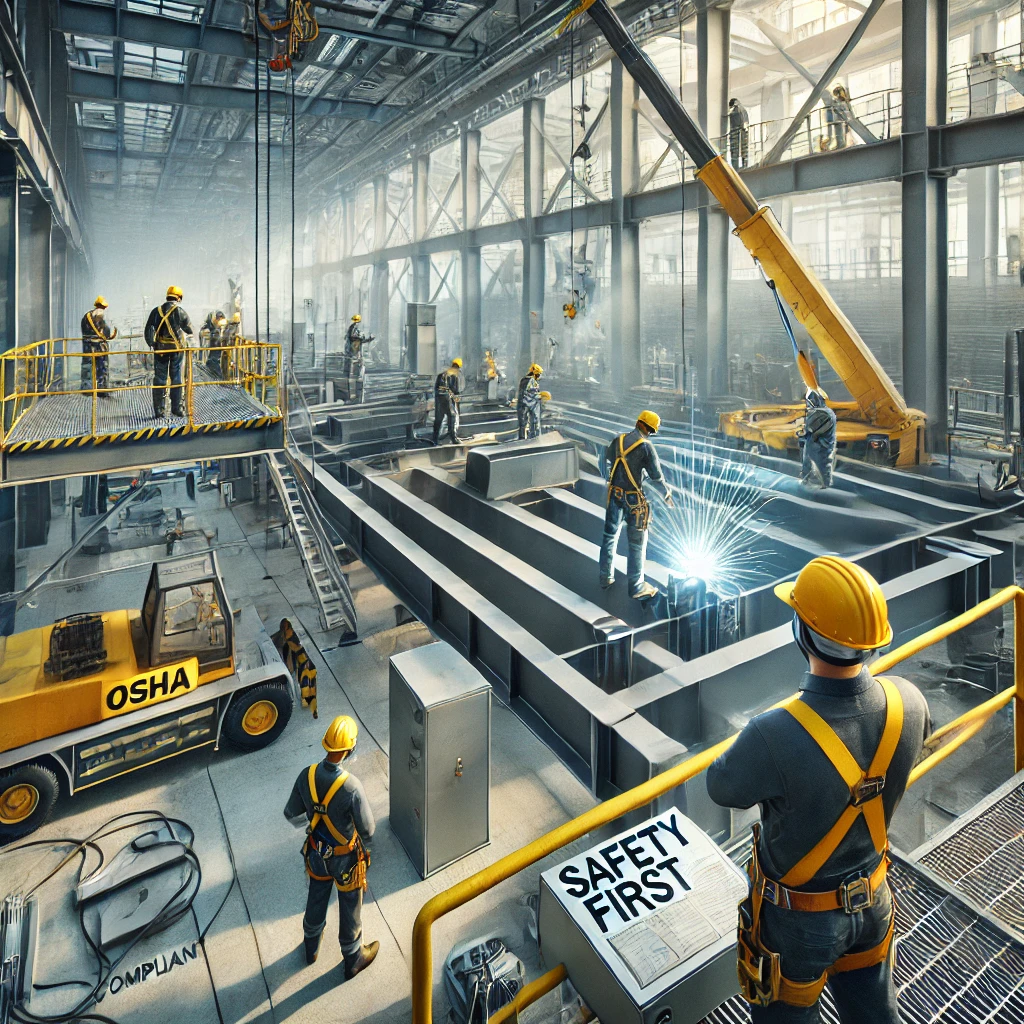
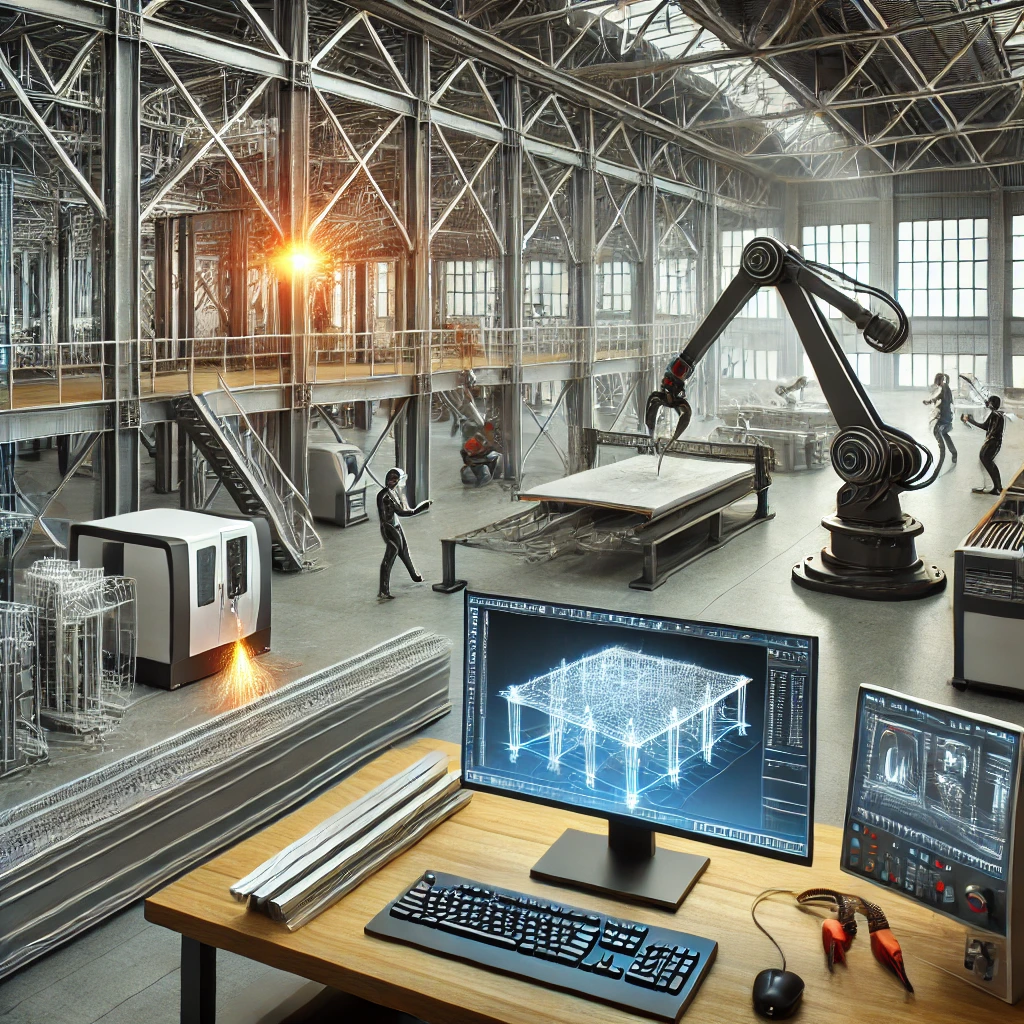
Heavy fabrication process delivering durable steel structures for large-scale industrial projects

How SRJ Piping India Leverages Technology

At SRJ Piping India Pvt Ltd, we are committed to staying ahead of the curve by utilizing the latest technologies in structural fabrication. Our advanced capabilities in CAD design, CNC machining, automated welding, and 3D printing allow us to deliver precision and efficiency at every stage of the project.

Advanced CAD Capabilities

Our CAD systems ensure that every project begins with a highly detailed and accurate model. This minimizes the risk of errors and ensures a smooth transition from design to fabrication.

CNC Precision

Our state-of-the-art CNC machines allow us to fabricate complex components with unrivaled precision, ensuring that every piece fits perfectly within the overall structure.

Automated Welding Excellence

With automated welding systems, we ensure that every weld is consistent and of the highest quality. This guarantees the safety and durability of the structures we create.

Innovative 3D Printing Solutions

We are also exploring the potential of 3D printing technology to provide custom solutions for our clients. This enables us to push the boundaries of design and deliver innovative results.

Conclusion

Technology has undeniably transformed the landscape of structural fabrication. From CAD software that enables precise designs to CNC machines that deliver exacting cuts, the industry is now more efficient and innovative than ever. SRJ Piping India Pvt Ltd is proud to be at the forefront of this transformation, leveraging the latest technologies to provide top-tier services to our clients.

By integrating cutting-edge tools such as CAD, CNC machining, automated welding, and 3D printing, we ensure that every project is completed with the utmost precision, efficiency, and quality.

To know please contact us

The future of structural fabrication isn’t welded—it’s digitally grown, where AI-driven robots and 3D-printed steel nodes are rewriting India’s skyline. At SRJ, we’ve moved beyond IS 800:2007 standards to pioneer Industry 4.0 fabrication that delivers:

  1. Cognitive Cutting

  • 6-axis CNC plasma torches with machine vision (0.1mm precision)

  • AI nesting algorithms achieving 99.2% material utilization (validated by IIT Delhi’s Manufacturing Lab)

  1. Self-Learning Welding

  • FANUC robots adapting to thermal distortion in real-time

  • AWS D1.1-certified welds completed 3x faster than manual crews

  1. Living Digital Twins

  • BIM 360 models updating with millimeter-accurate laser scans

  • Predictive maintenance alerts from IoT-enabled structural members

Want to Leverage Tech in Structural Fabrication?

SRJ Piping India uses advanced tools, automation, and modeling to deliver precision-led structural fabrication at scale.

Comprehensive Maintenance Checklist for Industrial Piping Systems

The Importance of Regular Maintenance for Industrial Piping Systems

Table of Contents

Think of your industrial piping system as the veins of your facility, distributing life to every corner of your operations. Just as a fit body relies on healthy, functioning veins, your facility depends on a properly maintained piping system to ensure efficiency and safety. Without regular maintenance, neglecting this crucial component can lead to high repair costs, unplanned downtime, or even catastrophic failures.

So, how do you ensure your piping system remains in excellent condition? The key lies in regular maintenance.

In this article, we will explore the importance of regular maintenance for industrial piping systems. Additionally, we will highlight common problems, practical solutions, preventive tips, and provide a fully detailed maintenance checklist. By following this guide, you can maintain your industrial piping system, minimize unexpected problems, and prevent major failures. Let’s get started and make sure your facility’s lifeblood stays in top shape!

Why Regular Piping Maintenance Is Essential

Undoubtedly, regular maintenance of industrial piping systems is not just good practice—it’s essential for longevity and operational efficiency. These systems endure various stresses, such as traction, thermal changes, and exposure to corrosive substances. Over time, these wear and tear factors can lead to failures if not properly managed.

Safety Concerns

A well-maintained piping system not only protects your workforce but also ensures environmental safety. Proper maintenance helps reduce incidents like leaks, bursts, or failures, which could lead to dangerous situations. For instance, even a small leak in a pipe carrying toxic chemicals can escalate into a major safety issue if left unchecked.

Cost Savings

Although maintenance has upfront costs, it ultimately saves money in the long run. Unplanned failures cause production downtime, lost revenue, and expensive repairs. By regularly inspecting and repairing minor issues, you prevent them from becoming larger, costlier problems.

Compliance with Regulations

Furthermore, many industries face strict regulations regarding piping safety and maintenance. Non-compliance can result in fines, litigation, or damage to your company’s reputation. Following a maintenance schedule ensures your piping system meets regulatory standards, keeping you compliant and avoiding penalties.

Environmental Protection

Additionally, leaks or failures in pipes carrying hazardous materials can cause significant environmental damage, especially if toxic substances reach water sources or ecosystems. Regular maintenance helps prevent such incidents by identifying and repairing weak spots before contamination occurs.

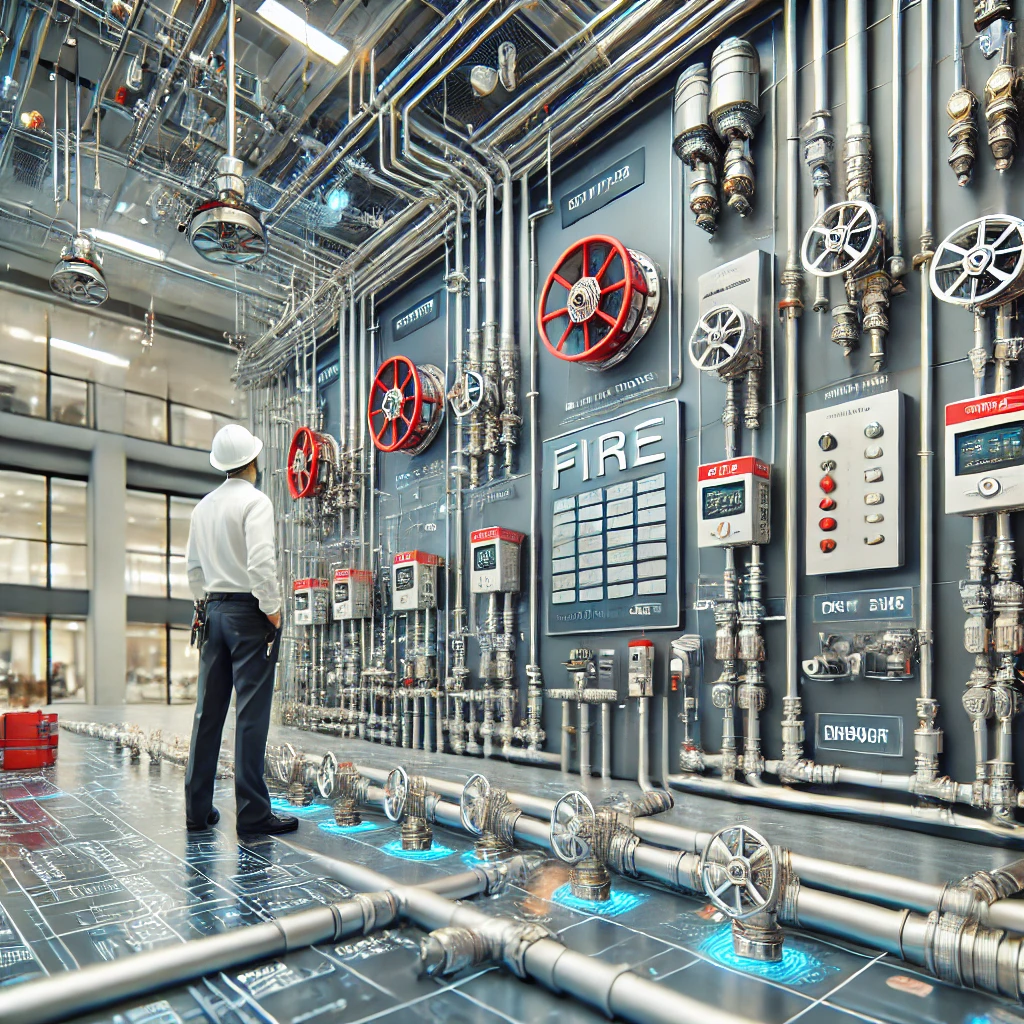
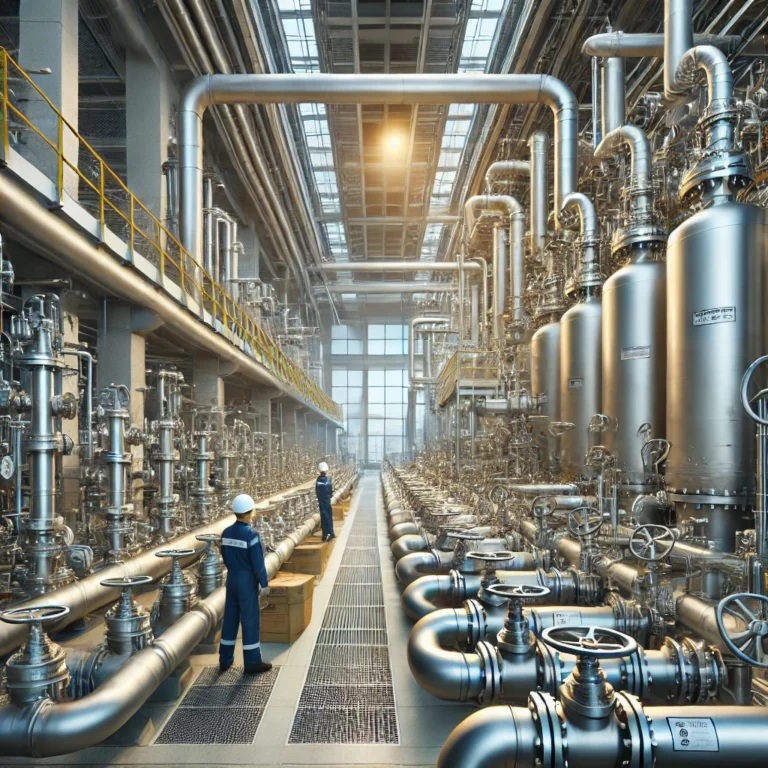
showcasing an industrial piping system in a modern manufacturing facility with workers inspecting the pipes. Let me know if you'd like any further adjustments!

Common Piping Issues and How to Address Them

Even with proper maintenance, industrial piping systems may still encounter issues. However, knowing how to handle common problems will keep your system running efficiently.

Corrosion

Corrosion is one of the most damaging issues in industrial piping systems. It occurs when the pipe material reacts with chemicals or moisture, weakening its structure and leading to leaks or failures.

Solutions:

  • Routine Inspections: Regularly check for early signs of rust, discoloration, or pitting.
  • Protective Coatings: Applying coatings like epoxy or galvanizing prevents direct contact with corrosive substances.
  • Material Selection: Use corrosion-resistant materials, such as stainless steel or plastic, where applicable.

Leaks

Leaks can happen due to corrosion, joint failure, or excessive pressure. Even small leaks can lead to significant product loss, increased operating costs, and safety hazards.

Solutions:

  • Pressure Monitoring: Continuously monitor system pressure to avoid exceeding safe limits.
  • Joint Inspections: Frequently check joints and connections, as they are common points for leaks.
  • Leak Detection Systems: Install detection systems that alert you to leaks immediately, allowing for quick repairs.

Blockages

Blockages occur when debris, scale, or other materials accumulate inside the pipes, restricting or stopping fluid flow. This leads to decreased efficiency and increased pressure, which can damage the system.

Solutions:

  • Routine Cleaning: Clean pipes regularly using techniques like pigging or hydrojetting.
  • Filtration Systems: Install filtration systems to prevent debris from entering the pipes.
  • Flow Monitoring: Monitor flow rate for any sudden decreases, which may signal blockages.

Cracking and Fatigue

Pipes endure stresses like pressure changes, temperature fluctuations, and mechanical vibrations, which can lead to cracks and fatigue over time.

Solutions:

  • Periodic Inspections: Regularly inspect pipes for early signs of cracking or fatigue.
  • Stress Analysis: Identify high-stress sections and reinforce them if necessary.
  • Adequate Support: Ensure the system is properly supported to reduce mechanical vibrations and thermal expansion.

Preventive Maintenance Tips

Preventive maintenance is crucial for keeping your industrial piping system in optimal condition. By addressing potential issues before they become critical, you can extend the life of your system and avoid costly repairs.

1. Establish a Maintenance Schedule

A comprehensive maintenance schedule is essential to ensure regular inspections, cleaning, pressure testing, and other tasks are performed on time.

  • Frequency: The schedule should account for the system’s age, materials, and operating conditions. Systems handling high-pressure or corrosive materials require more frequent maintenance.
  • Record Keeping: Detailed records help track recurring issues and ensure maintenance tasks are completed as scheduled.

2. Conduct Periodic Inspections

Regular inspections are key to identifying early signs of wear, corrosion, or damage.

  • Visual Inspections: Examine exposed pipes for leaks, corrosion, or cracks.

3. Monitor System Performance

Monitoring performance indicators, such as pressure, flow rate, and temperature, is vital for detecting problems early.

  • Pressure and Flow Rate: Fluctuations in these values often indicate underlying issues.
  • Temperature Monitoring: High temperatures can accelerate corrosion and cause thermal stress, leading to potential damage.

4. Implement Corrosion Control Measures

Corrosion control is a critical component of preventive maintenance. Without proper measures, corrosion can severely weaken the system.

  • Coatings and Linings: Apply protective coatings inside and outside the pipes to prevent contact with corrosive substances.
  • Cathodic Protection: Use systems like sacrificial anodes to counteract corrosion.

5. Train Your Maintenance Team

A well-trained maintenance team is essential for effective preventive care. Proper training ensures that your team can identify and address issues promptly.

  • Ongoing Training: Offer regular training on the latest maintenance techniques and safety procedures.
  • Cross-Training: Train multiple team members to handle different components of the system, ensuring continuity even when key personnel are unavailable.

6. Replace Worn Components Before They Fail

Replacing worn components, such as gaskets, seals, and joints, before they fail helps avoid unexpected breakdowns.

  • Schedule Replacements: Replace parts based on their expected lifespan.
  • Inventory Control: Keep a stock of critical spare parts to minimize downtime during replacements.

7. Implement a Leak Detection Program

Leaks can be a major issue in industrial piping systems. A leak detection program can help prevent minor leaks from becoming serious problems.

  • Automatic Detection Systems: Install real-time leak detection systems to catch leaks early.
  • Routine Leak Checks: Conduct manual leak checks during regular maintenance to ensure nothing is missed.
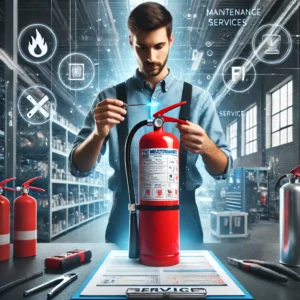
Ensure the longevity and optimal performance of your systems with comprehensive maintenance services. Learn about preventive measures, regular inspections, and expert repairs to avoid costly downtime

Piping Maintenance Checklist

Here’s a sample checklist to help you maintain your industrial piping system:

Weekly

  • Inspect exposed pipes for leaks or corrosion.
  • Check pressure and flow rates for unusual fluctuations.
  • Verify all valves are functioning properly.

Monthly

  • Inspect insulation and protective coatings.
  • Clean fluid filters and strainers.
  • Test pressure relief valves for proper function.

Quarterly

  • Perform non-destructive testing to detect internal corrosion or cracks.
  • Inspect and tighten mechanical joints and seals.
  • Lubricate valve mechanisms and moving parts.

Every Six Months

  • Conduct pressure testing to check for leaks.
  • Maintain cathodic protection systems.
  • Clean the system to remove debris or scale.

Annually

  • Replace worn seals, gaskets, and other components.
  • Perform a full system audit to assess overall condition.
  • Update maintenance records and resolve recurring issues.

By following this checklist, you can ensure that your industrial piping system remains reliable and efficient. Adjust the checklist as necessary to fit the specific needs of your facility.

Conclusion

Maintaining an industrial piping system requires ongoing attention to ensure safety, reliability, and efficiency. By understanding the importance of regular maintenance, addressing common issues, and implementing preventive measures, you can avoid costly downtime and extend the life of your system.

At SRJ Piping India Pvt Ltd, we are committed to helping you maintain your industrial piping system with expert guidance and comprehensive solutions. Let us help you keep your facility running smoothly and efficiently.

Your piping maintenance checklist isn’t paperwork—it’s the only barrier between routine inspections and ₹22Cr catastrophe. The API 570 Piping Inspection Code reveals 68% of failures stem from skipped basic checks—gaps our ISO 17020-Certified Team eliminates through this battle-tested checklist. When a Gujarat refinery ignored these 7 critical items, the result was a ₹184Cr shutdown (per PNGRB Incident Report):

  1. Corrosion Under Insulation (CUI)

    • Pulsed eddy current scans every 90 days (per ASME B31.3)

    • Thermal imaging for wet insulation detection

  2. Small Bore Piping Vulnerabilities

  3. Support Integrity

    • Spring hanger calibration drift >5% demands replacement

    • Pipe shoe corrosion mapping

  4. Wall Thickness Erosion

    • Ultrasonic testing at 3D bends and tees

    • AI-powered remaining life prediction

  5. Flange Management

    • Bolt torque verification with ultrasonic tension meters

    • Gasket condition grading system

  6. Dead Leg Risks

    • Stagnant fluid microbiological testing

    • Targeted chemical injection points

  7. Safety Relief Valves

    • 10% overpressure testing

    • Bellows integrity checks

This isn’t maintenance—it’s failure forensics stopping disasters before they strike.

Need a Reliable Maintenance Partner?

SRJ Piping India provides comprehensive maintenance programs to extend the life and efficiency of your industrial piping systems.

Safety Standards and Regulations in Structural Fabrication

Structural Fabrication Safety Standards: Compliance and Best Practices

Table of Contents

Imagine building a skyscraper without hard hats, harnesses, or quality checks. Sounds like a nightmare, right? In structural fabrication, safety is the foundation. Ensuring every beam, bolt, and weld complies with structural fabrication safety standards is essential to protect workers, maintain structural integrity, and meet industry regulations.

In this article, we explore the key structural fabrication safety standards, the importance of compliance, and how SRJ implements industry-leading safety protocols. We also review real-world case studies to demonstrate how compliance impacts safety and project success. Whether you’re new to the industry or a seasoned professional, adhering to these fabrication safety standards is crucial.

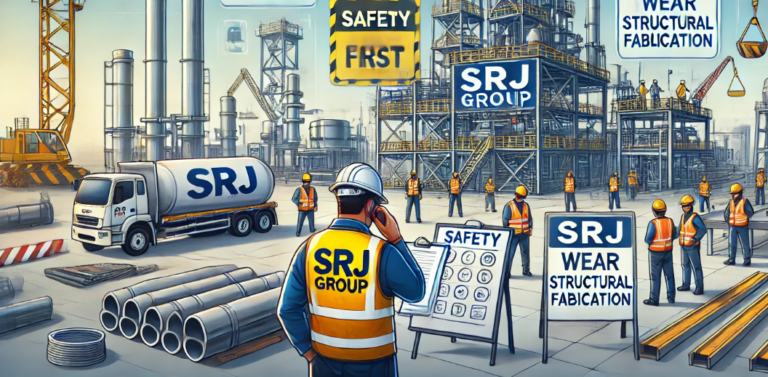
image showing a structural fabrication site, with workers following safety protocols, including protective gear, safety signage, and well-guarded machinery. This image complements the blog on structural fabrication safety standards and highlights the importance of compliance in the industry.

Key Structural Fabrication Safety Standards

Safety standards in structural fabrication ensure worker protection, maintain the integrity of the structure, and prevent accidents. These standards cover material handling, machinery use, and construction practices. The following are key safety standards relevant to structural fabrication:

1. OSHA Standards

The Occupational Safety and Health Administration (OSHA) enforces safety regulations for workplaces, including structural fabrication sites. Compliance with OSHA standards helps prevent injuries related to machinery, falls, and hazardous substances.

  • Machine Guarding: OSHA requires protective guards on machines to shield workers from moving parts such as welders, cutters, and presses.
  • Fall Protection: OSHA mandates fall protection systems, such as harnesses and guardrails, in areas where workers face fall risks.
  • Hazard Communication: Workers must be trained to handle hazardous chemicals and informed about the risks involved. Learn more about OSHA safety regulations.

2. ANSI Standards

The American National Standards Institute (ANSI) provides voluntary guidelines for worker safety in structural fabrication. While ANSI standards are non-regulatory, they significantly influence safety practices.

  • ANSI Z49.1: Safety in Welding and Cutting: This standard outlines the safety measures needed for welding and cutting, including ventilation and fire prevention.
  • PPE Standards: ANSI sets requirements for the use of Personal Protective Equipment (PPE), such as gloves, safety glasses, and helmets. ANSI safety standards offer detailed information.

3. ISO Standards

The International Organization for Standardization (ISO) sets global standards for industrial safety and quality. Key ISO standards relevant to structural fabrication include:

  • ISO 45001: Occupational Health and Safety Management: This standard outlines frameworks to manage safety risks in the workplace and reduce accidents.
  • ISO 9001: Quality Management: While this focuses on quality control, it also emphasizes documented processes that help maintain safety in fabrications.

For more details, visit the ISO official website.

Why Compliance Matters in Structural Fabrication

Compliance with safety standards is critical not only to protect workers but also to prevent costly legal issues. Non-compliance can result in project delays, fines, and, in severe cases, legal action. Regulatory bodies like OSHA and ANSI play a crucial role in setting these standards.

Consequences of Non-Compliance

  • Fines and Penalties: Non-compliance can lead to severe financial consequences.
  • Legal Liability: Failure to comply with safety standards can lead to lawsuits from injured employees or clients.
  • Project Delays: Safety violations can halt work and delay the project timeline.

To stay compliant, companies must perform regular safety audits and inspections, ensuring all fabrication safety standards are met.

SRJ’s Commitment to Structural Fabrication Safety

At SRJ, safety is not just a requirement; it’s a core value. Our team follows the highest safety standards, including OSHA, ANSI, and ISO, to ensure safe and compliant operations.

Safety Training and Education

Every employee at SRJ undergoes comprehensive safety training. This training includes the proper use of PPE, emergency response procedures, and safe machine operation.

  • Induction Training: New employees receive thorough training on safety risks, standards, and protocols.
  • Ongoing Training: We regularly update our training programs to ensure that our workers stay informed about the latest safety standards.

Advanced Safety Equipment

SRJ uses state-of-the-art safety equipment to protect workers on-site.

  • PPE: Workers wear high-quality PPE like helmets, gloves, and respiratory protection.
  • Automated Safety Systems: We invest in safety technologies, such as real-time monitoring and automatic shutdown systems for high-risk activities.

Regular Safety Audits

We conduct frequent safety audits to ensure compliance with structural fabrication safety standards.

  • Internal Audits: Our in-house team inspects equipment and processes to identify any safety concerns.
  • Third-Party Audits: Independent auditors review our safety protocols to ensure we meet or exceed industry standards.

Case Studies: The Impact of Compliance on Structural Fabrication Projects

Compliance with fabrication safety standards not only protects workers but also leads to successful projects. Below are examples of how adherence to safety standards has positively impacted real-world projects.

1. Oil Refinery Expansion

An oil refinery project in the U.S. adhered strictly to OSHA safety standards, including regular audits and emergency response protocols. The project was completed without a single major safety incident, proving the effectiveness of following fabrication safety regulations.

2. High-Rise Building Fabrication

A high-rise building construction project incorporated real-time safety monitoring systems to protect workers and the public. Compliance with OSHA and local building codes resulted in a zero-incident worksite.

3. International Fabrication Project

A structural fabrication project in a developing country faced challenges due to local safety standards and language barriers. Through collaboration with local experts and additional safety training, the project was completed with minimal incidents.

The Future of Safety in Structural Fabrication

As the industry evolves, so do the tools and technologies used to enhance safety.

1. Digital Safety Management

New technologies, such as AI-powered safety systems, are being integrated into structural fabrication to automatically detect hazards before they lead to accidents. These tools provide real-time data that allows for swift corrective action.

2. Virtual Reality (VR) Training

VR training programs are becoming more popular, allowing workers to practice safety protocols in a controlled environment. This advanced training improves their ability to handle real-world hazards effectively.

3. Sustainability and Safety

Sustainability practices are increasingly being integrated with safety. The use of sustainable materials and processes not only protects the environment but also enhances safety by reducing hazardous waste.

Conclusion: Safety First in Structural Fabrication

Compliance with structural fabrication safety standards is essential for protecting workers, ensuring project success, and avoiding costly penalties. At SRJ, safety is our top priority. By investing in the latest safety technologies, providing ongoing training, and adhering to strict safety protocols, we guarantee that every project is both safe and compliant.

Visit SRJ Piping India Pvt Ltd to learn more about our commitment to safety. Contact us today for a consultation on how we can help you maintain safety standards in your next project.

Concerned About Fabrication Safety & Compliance?

SRJ Piping India follows industry-leading safety protocols and compliance standards for structural fabrication excellence.

Advances in Fire Safety Engineering: What’s New

Fire Safety Engineering: Innovations and Future Trends

Table of Contents

In the rapidly evolving field of fire protection system, new technologies and methodologies are enhancing how buildings are protected from fire hazards. Integrating advanced fire detection systems, innovative suppression technologies, and fire-resistant materials is transforming fire safety for residential, commercial, and industrial settings.

In this blog, we’ll explore the most recent advancements in fire safety engineering, highlighting the innovations that are shaping its future. Whether you’re involved in fire safety planning, building management, or just curious about how the industry is progressing, this guide will offer essential insights.

Key Innovations in Fire Safety Engineering

1. AI-Driven Fire Detection Systems

Artificial Intelligence (AI) is dramatically improving fire detection by enhancing accuracy and significantly reducing false alarms. AI-based fire detection systems analyze data from various sources—such as cameras and thermal sensors—to detect early signs of smoke and fire.

  • How It Works: AI systems monitor real-time data streams and differentiate between legitimate fire hazards and non-threatening situations, like cooking smoke. As a result, this helps reduce unnecessary evacuations and ensures a faster, more accurate response.
  • Benefits: Faster detection, fewer false alarms, and more effective emergency responses.

To learn more about AI in fire safety, visit NFPA’s latest research.

2. Smart Fire Suppression Technologies

Traditional fire suppression systems, such as sprinklers, are now being enhanced by smart fire suppression systems. These innovations use real-time data to release water or chemical suppressants only where necessary, avoiding widespread damage.

  • Innovation: Smart suppression systems target the fire’s source instead of flooding an entire room. By integrating with building management systems, they respond more efficiently to the specific fire type and severity.
  • Advantages: Minimized water damage, more efficient suppression, and reduced impact on unaffected areas.

Explore more about smart fire suppression technologies with the Fire Suppression System Association.

3. Fire-Resistant Building Materials

Developments in fire-resistant materials are significantly helping to slow down the spread of fire in modern buildings. These materials are crucial in high-rise buildings and industrial facilities, where fire hazards can have catastrophic consequences.

  • Key Materials: Fire-resistant coatings, non-combustible composites, and heat-resistant steel structures are increasingly becoming standard in construction.
  • Applications: Such materials maintain the structural integrity of buildings during fires, giving occupants more time to evacuate while preventing widespread damage.

For more information on fire-resistant materials, check out the Fire Protection Research Foundation.

4. IoT and Real-Time Monitoring

The Internet of Things (IoT) has revolutionized fire safety by providing real-time monitoring and control of fire safety systems. IoT-connected devices continuously track conditions such as rising temperatures, gas leaks, and smoke, sending alerts instantly to building managers and emergency responders.

  • Real-Time Monitoring: IoT sensors continuously collect data to identify fire risks before they escalate, allowing for immediate intervention.
  • Integration: These systems work alongside other building technologies, like HVAC and electrical systems, to limit fire spread by shutting down airflow and power in affected areas.

To discover more about IoT in fire safety, visit Forbes on IoT and safety.

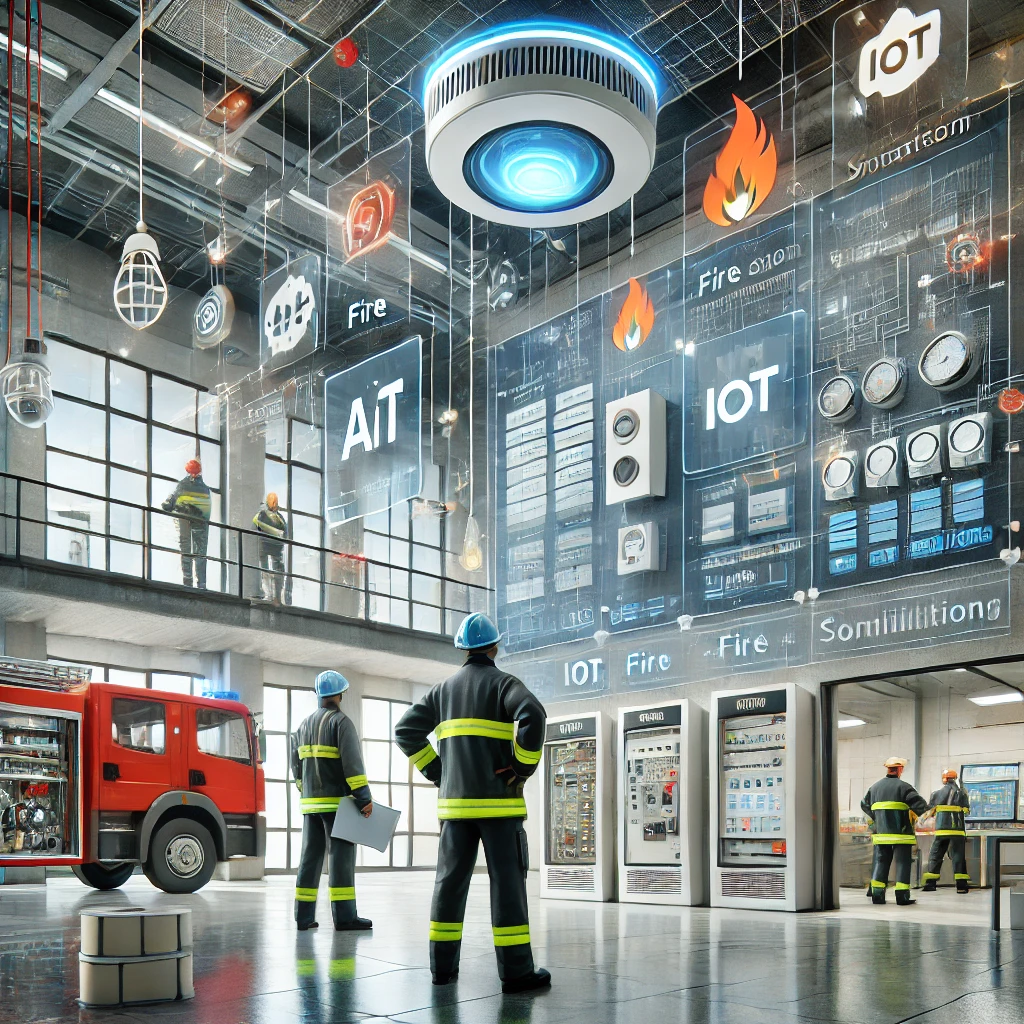
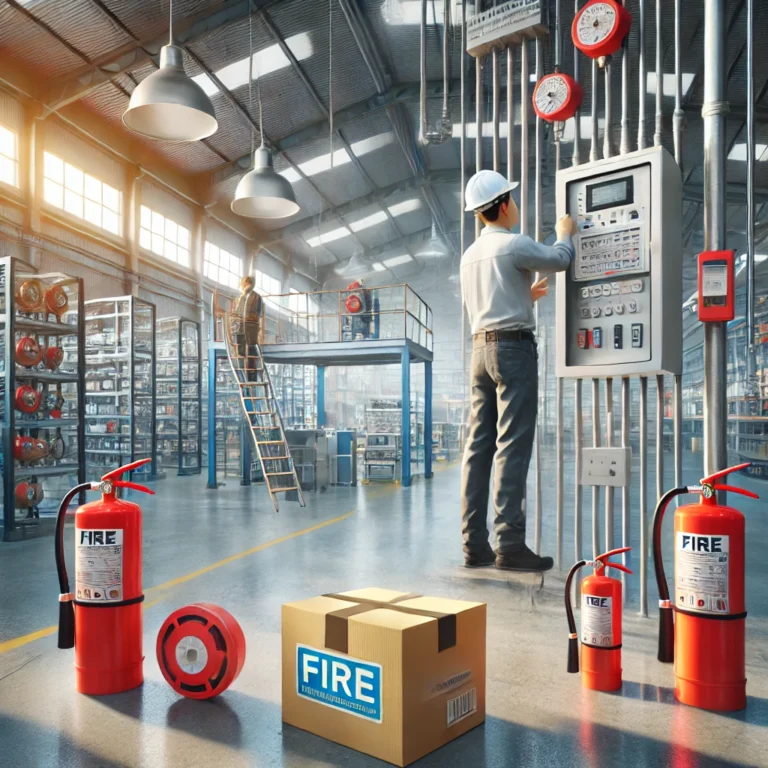
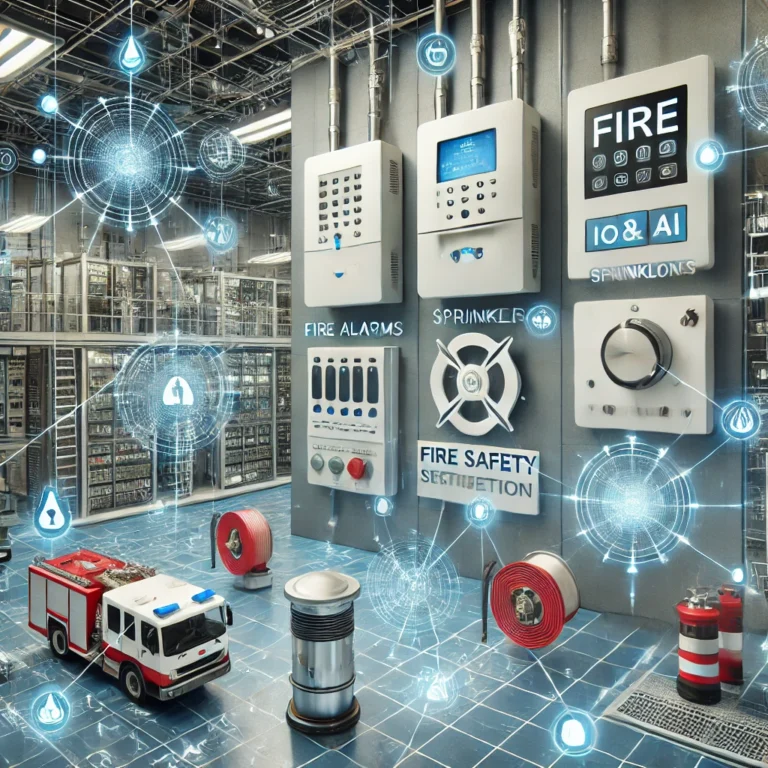
mage representing a modern fire safety engineering setup, featuring advanced technologies such as AI-based control panels, IoT-connected fire alarms, and fire suppression systems.

Benefits of Fire Safety Engineering Innovations

Advancements in fire safety engineering provide several advantages:

1. Faster Fire Detection and Response

Thanks to AI-based systems and IoT real-time monitoring, fires can be detected earlier, allowing emergency responders to act quickly and minimize damage. Early detection undoubtedly saves lives and limits property destruction.

2. Reduced Water and Fire Damage

Unlike traditional suppression systems that flood an entire room, smart suppression systems target only the area affected by the fire. This results in less water damage, making these systems especially beneficial in sensitive environments like hospitals or data centers.

3. Improved Building Safety

New fire-resistant materials help slow the spread of fire, giving building occupants more time to evacuate safely. They also help prevent structural failure during intense heat, ensuring that buildings remain intact for longer periods.

4. Better Fire Prevention

IoT-enabled fire safety systems monitor conditions continuously, allowing building managers to intervene before fires even begin. This leads to a more proactive fire prevention strategy, reducing fire-related incidents altogether.

Future Trends in Fire Safety Engineering

Looking ahead, several trends are expected to further revolutionize fire safety engineering:

1. Fire Safety Drones

Equipped with thermal cameras and sensors, drones can quickly assess fire damage and identify hazards from the air, providing vital data to emergency services without endangering lives.

2. Machine Learning for Fire Risk Prediction

Machine learning algorithms are becoming more effective at predicting fire risks based on factors like historical data, environmental conditions, and building materials. This allows safety professionals to take preventive measures long before a fire breaks out.

3. Enhanced Fire Simulation Software

As simulation software becomes more advanced, fire safety engineers can model how fires might behave in specific environments. This helps improve building designs and allows for better placement of fire safety systems.

Conclusion: Embracing the Future of Fire Safety Engineering

Advances in fire safety engineering—from AI-driven detection systems to fire-resistant materials—are making our buildings safer and reducing fire-related risks. As these technologies evolve, they provide faster fire detection, smarter suppression, and better prevention strategies.

At SRJ Piping India, we integrate the latest fire safety engineering innovations into all our projects, ensuring that each building meets the highest safety standards. Contact us today to learn how we can help you enhance fire protection in your next project.

The future of fire safety isn’t about reacting—it’s about predicting and neutralizing threats before ignition. The NFPA 2025 Draft Standards now mandate AI-powered risk modeling and 90-second drone-assisted fire assessments, while India’s revised National Building Code requires IoT-enabled evacuation systems—technologies we’re pioneering through our Smart Fire Command Centers. Here’s how fire safety engineering is evolving:

5 Breakthroughs Redefining Fire Protection

  1. Autonomous Suppression Robots

    • Drones with integrated fire extinguishers for high-risk zones

    • 3x faster response than traditional sprinklers (validated by UL Fire Safety Research)

  2. Predictive Fire Analytics

    • AI algorithms analyzing thermal patterns to predict flashpoints

    • 89% accuracy in pre-ignition alerts (per FM Global Data)

  3. 5G-Connected Wearables

    • Real-time evacuation guidance for workers via smart helmets

    • Vital sign monitoring for trapped personnel

  4. Eco-Friendly Suppressants

    • New water mist systems using 90% less water

    • Biodegradable foam concentrates meeting EPA 2024 Standards

  5. Digital Twin Fire Drills

    • VR simulations of worst-case scenarios

    • Dynamic evacuation routes updated via IoT sensors

When a Bengaluru tech park adopted our Integrated Smart Safety System, they reduced fire incidents by 72% and cut insurance premiums by ₹1.2Cr annually—proving next-gen fire safety isn’t just safer, it’s smarter.

Exploring Next-Gen Fire Safety Solutions?

SRJ Piping India delivers future-ready fire safety engineering—powered by smart diagnostics, automation, and compliance innovation.

Understanding Different Types of Fire Alarm Systems

Understanding Different Types of Fire Alarm Systems

Table of Contents

Fire alarm systems are installed to keep residential, commercial, and industrial spaces safe. One could call them the watchdogs of your building, always on alert to sniff out danger. It alerts others to evacuate when a fire is detected, with expectations in due course for playing a role in saving lives.

What exactly may the consequences be, then, without having enough fire safety systems? Loss of life, property loss, disruption of business activities – who wants to have an unplanned barbecue at the office anyway?

Of course, accompanying the truth is the reality that truly poor fire alert systems can have the severest consequences. That is why knowing the different fire alarms is crucial.

Therefore, you need to know the various types of fire alarms available. Well, do not worry: we will not load you with a boring lecture. In this guide, you are going to get the key to fire alarm systems, their work, and where you can use them.

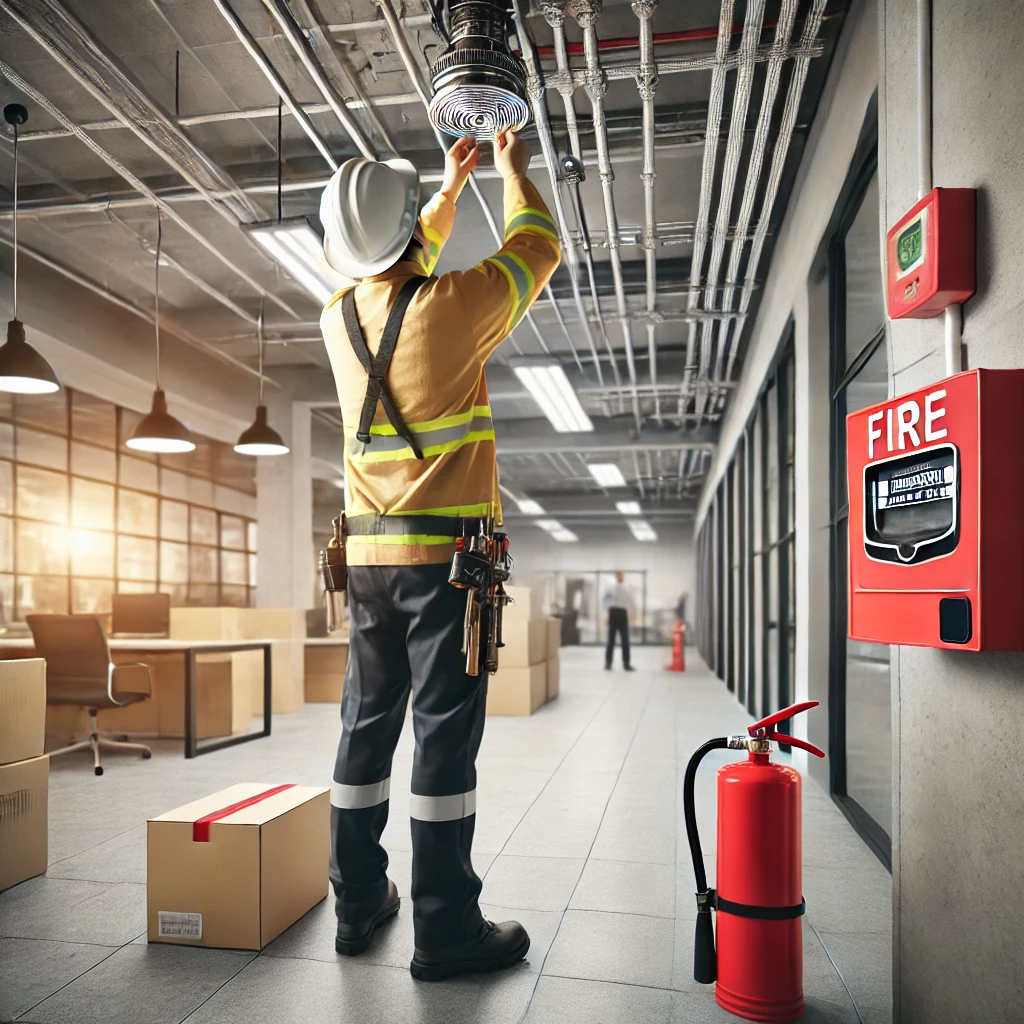
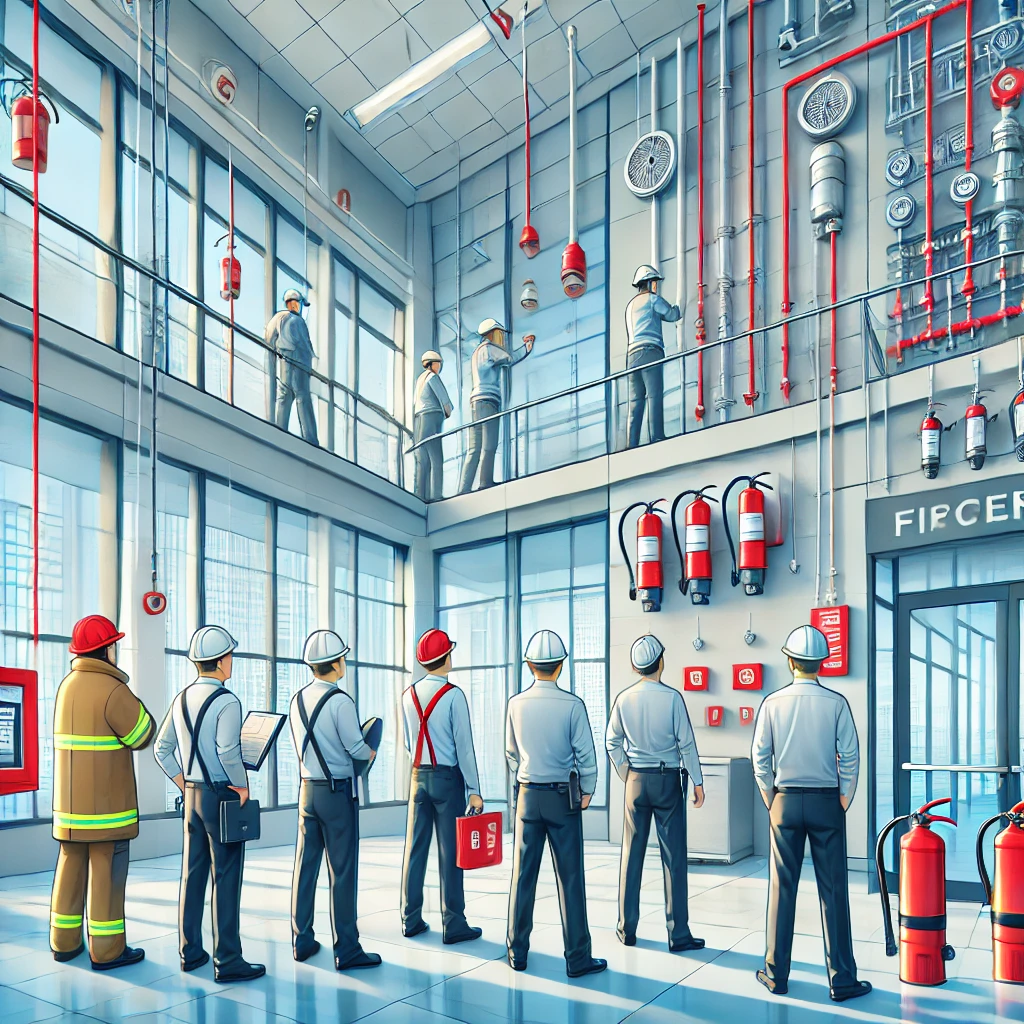
n image showing the installation of a modern fire protection system in a commercial building. It includes fire sprinklers, alarms, and extinguishers, with a construction worker in safety gear.

Overview of Fire Alarm Systems

Fire alarm systems are the vigilant watchdogs of your building’s safety: they are meant for fire or smoke detection and alerting features. Their function, of course, is for life and property safety—come to think of them as your fire-fighting squad, always on duty.

What makes these systems so important, then? They afford you forewarning and, therefore, maximum time to evacuate. Timely knowledge of fire safety systems can mean the difference between a tolerable incident and a catastrophic disaster.

However, it is not simply a question of having any old system. You need one that is properly designed, installed, and maintained. That is why understanding the various types of fire alarms is so important. Going from conventional fire alarm systems to the more advanced addressable fire alarm systems, each holds its strength.

Fire Alarm Systems: Types and Definitions

Let us know the types of fire alarms for commercial use. Different types of fire alarms have diverse characteristics and benefits. Mentioned below are some of the most common ones that are crucial to know about.

Conventional Fire Alarm Systems

Conventional fire alarm systems work by dividing the building into different zones, and a fire alarm control panel monitors all these zones. In case of a fire within a specific zone, the control panel will indicate the zone in which the problem exists. Conventional fire alarm systems are appropriate for the small kind of buildings. Some of the main advantages of conventional fire alarm systems are that they are inexpensive to purchase and easy to install, and maintain.

Addressable Fire Alarm Systems

Addressable fire alarm systems place addresses on each device like smoke detectors and heat detectors, hence rotating the system directly on the actual cause of the fire, precisely. This device is good as one can be able to install them in large buildings with extensive layouts. The main advantages of an addressable system include faster response time and efficient management of fire.

Wireless Fire Alarm Systems

What is used for wireless fire alarms between the detectors and the control panel are radio links. This makes them ideal in buildings where wiring is difficult or disastrous since they have automatic access to every part of a particular building. Since wireless fire alarms are easy to install, flexible, and less intrusive in existing structures, most building owners prefer them to the traditional wired fire alarm methods.

Hybrid Fire Alarm Systems

Hybrid fire alarm is a term given to a combination of wired and wireless fire alarm systems. It simply means that hybrid fire alarm systems are vulnerable to accommodating a variety of building categories and designs and thus hold the best of the best of these two categories. These features include the flexibility of the wireless features and the reliability of the wired features in a fire-sensing system.

Automatic Fire Alarm Systems

Automatic fire alarm systems detect a fire and automatically sound an alarm and suppression systems. They apply in industrial settings, among others. The main strength of automatic fire alarms is in the fact that they make an instant response without human involvement, hence ensuring that they are safe even when nobody is around to activate the alarm physically.

You will need to understand these varied types of fire alarms to make the right choice of fire detection systems concerning your needs and safety in a building.

Fire Alarm System Components

Knowledge of the central fire alarm system components turns out to be a critical element in the application of fire safety. These main components consist of:

Control Panel

The fire alarm control panel is the central host that keeps an eye on the sensors from detectors and output devices such as alarms and notifications. In simple words, one can regard it as the brain for fire detection systems.

Detectors

Detectors can be regarded as sensors that can spot any indication related to fire. We will briefly look at three major types:

  • Smoke Detectors: Sensors in this case can detect any smoke that arises from air particles, hence in time they can set an alarm for a fire.
  • Heat Detectors: These are responsive to an increase in temperature and warn you about possible fire hazards.
  • Carbon Monoxide Detectors: They detect the gas carbon monoxide, which is a dangerous gas that can be given off by fires.

Manual Call Points

Manual alarm call points enable an individual to manually raise an alarm in case they spot a fire. You may have seen these as red break glass units on walls that you can break open in an emergency. They help add that human touch to your fire alarm installation.

Alarm Devices

Alarm devices are made of a siren, bell, or a strobe light. They, therefore, alert the building occupants to vacate the building. The loud sounds and flashing lights catch everyone’s attention; therefore, one could not miss to leave the building because of the danger that is following. Otherwise, they may be used to operate in dark areas or with high noise levels.

https://srjpipingindia.com/author/srj-team/

How To Choose A Fire Alarm System?

One particular fire alarm system doesn’t fit all, so it must depend on varied factors. Here are some of the factors 

  • Building Size: A small shop and a sprawling warehouse have immensely different needs.
  • Occupancy: How many people are typically in your building?
  • Identify specific hazards: Do you have flammable materials, or are there high-heat processes?
  • Budget: Your budget is a fact of life, even though safety is priceless.

These factors will determine what type of fire alarm is best for you. For example, a large office building may benefit most from an addressable fire alarm system; a small retail store may be best served by conventional service.

However, harnessing these options can sometimes become quite a challenge. This is why it is essential to consult with fire protection experts regarding the choice of the most appropriate system for your specific situation. Indeed, the best fire alarm systems for buildings will be a solution designed specifically to meet your needs.

Installation and Maintenance of Fire Alarm Systems

Proper installation of the best fire alarm systems for buildings is instrumental in their efficiency. Here’s what you need to know:

  • Start with an overall assessment of the site.
  • Create a layout plan with caution.
  • Properly install the parts, following manufacturers’ guidelines and local codes.
  • Before turning it on, test all the parts of the system.

However, it is not over yet. Fire alarm maintenance is of equal importance as it shall be tested visually every month and shall be checked at least once a year by a professional. This will ascertain the diagnosis of faults when necessary, and most importantly, the fire alarm system is kept in a state of readiness.

Watch out for other major problems caused by malfunctions in both the device and engaged false alarms. An easy solution for all the above-mentioned problems is to keep your system clean, change batteries on time, and update the software at regular intervals. Never forget the fact: a well-maintained system is always your best defense against a fire hazard.

Put your system over the top in terms of effectiveness with these tips. After all, a properly installed and maintained alarm could be the difference between a close call and a catastrophe.

Case Studies

Now let’s go to various applications of the best fire alarm systems for buildings:

Highrise Office Building

A 50-floor Highrise implemented this addressable system in the face of the challenge of having to evacuate thousands of people. A small kitchen fire occurred. The system located it, and the response was focused, averting panic, which would have been unreasonable.

Historic Theater

The fire protection for this 19th-century construction without nullifying its architecture: a wireless fire alarm system. Result? The capability to ensure safety without affecting the integrity of the building.

Large Industrial Complex

The sprawling facility went in for a hybrid fire alarm system that covered both wired and wireless ones. The main challenge was in trying to cover large areas with harmful material. And yes, it worked out; the system detected and contained a chemical spill before it could ignite.

The cases referred to clearly denote how each type of fire alarm can be adjusted to specific peculiarities of buildings.

Future Trends in Fire Alarm Systems

The future of fire alarm systems is very smart and interconnected. Some of these include:

  • AI-powered fire detection systems will look to predict potential fire hazards even before they occur.
  • The Internet of Things (IoT) is capable of integrating with other building systems for a coordinated response of fire safety systems
  • Multi-sensor technology with smoke and heat detectors for fewer false alarms and more accurate detection. 
  • Real-time alert mobile apps give full control of your fire alarm system even while you are away from the building.
  • Most of all, they can do self-diagnosis and notify responsible ones for reporting immediately, offering a guarantee that the maintenance of fire alarm systems is always up to date.

Making inroads into these emergent technologies stands to revolutionize our approach in the fire safety industry. In implementing these innovations, you will better and go a long way in safeguarding your property, especially in the saving of precious lives.

To Summarize,

Certainly, an understanding of the fire alarm system will give you safety. From conventional fire alarm systems down to smart systems equipped with artificial intelligence, now you know which system suits your needs. Remember proper installation of fire alarm systems in buildings is the key.

So do not let your building become a toaster oven. Invest in the right  and  Download report in pdf fire detection systems! After all, a good fire alarm is like a strict parent: always watching, quick to yell, and ultimately, there to keep you safe. Stay fire-smart, understand the deatailed research and may your only false alarms come from burnt toast!


Contact us for more information

Confused About Which Fire Alarm System to Choose?

SRJ Piping India helps you select and install the right fire alarm systems tailored to your facility’s safety needs.

Fire Safety Services: What You Need to Know for Comprehensive Protection

Fire Safety Services: What You Need to Know

Table of Contents

Fire safety services are essential for any business or any other building. The major groups of these services include fire risk assessment, fire safety training, maintenance of appliances, and planning for emergencies. Ensuring compliance with fire safety is vital because it assures the protection of your staff, property, and assets from the risks of fires.

It is not just the law; it is your notice of assuring any business with a safe work environment. That is where regular fire safety audits and fire safety management help in avoiding damage costing huge sums and saving lives.

On the other hand, overlooking fire protection services can turn out to be a dangerous affair. It is, in a manner of speaking, like playing with fire! Therefore, understanding fire safety and its integral applications in terms of fire safety services is of prime importance. 

This comprehensive guide to fire safety services will take you through the different aspects of fire safety services so that informed decisions are made for your workplace.

fire extinguisher

Overview of Fire Safety Services

Have a look at the overview of some key fire safety services necessary for your business.

Fire Risk Assessments

Fire risk assessments are the cornerstones of any effective fire safety strategy. They help in identifying possible fire hazards at a workplace. Assessment includes experts checking your premises against fire safety, work processes, and measures in place. Thereafter, they are followed by recommendations to address the risks found.

Why are they important? They will help you:

  • Observe fire safety regulations
  • Protect your staff and assets
  • Get effective fire prevention strategies

Fire Safety Training

Fire safety training is one of the important elements of a complete fire safety plan. There are various types of training, including training of fire wardens and evacuation drills. The fire warden training targets some people who can generally provide knowledge on how to organize evacuation and effectively use fire equipment. Evacuation drills are meant to ensure all workers have a pre-rehearsed basis for safe and efficient exit.

There are several benefits associated with the importance of fire safety training. This enhances the confidence of employees, reduces panic at times of emergencies, and the employees are well aware of their duties to evacuate a place or premises. Moreover, it reinforces the fact that fire safety regulations are followed, and thus fire safety remains in the minds of people.

Fire Equipment Maintenance

This refers to the fire equipment maintenance like extinguishers, alarms, and sprinkler systems. The periodic fire equipment maintenance ensures that all devices work perfectly at the time of need. These procedures involve inspecting, testing, and servicing the equipment.

For example, fire extinguishers are meant to be inspected every month and serviced every year. Fire alarms and sprinkler systems are constantly tested with a professional inspection. This continued maintenance not only prolongs the equipment’s life but also guarantees it will work in an actual emergency.

Emergency Planning

Every company should have a plan for handling emergencies. Your plan must consider the following issues:

  • Evacuation routes and procedures
  • Assembly points
  • Methods of communicating during an emergency

Remember that it’s not sufficient to have a plan. It has to be regularly practiced through fire drills. Drills identify people’s roles and clarify the weaknesses in your procedures.

It is through these fire safety services that you will make your workplace a much safer one and give your commitment to proper fire safety management. Besides protecting your business, this gives you peace of mind.

Benefits Of Regular Fire Risk Assessments

These multifaceted fire safety services offer a host of advantages to your business. Let us take a detailed look at these fire safety benefits:

Enhanced Safety: It improves the safety of people and property through comprehensive fire safety services. The risk of outbreaks due to fire substantially reduces when a proper assessment of the fire risk is done at regular intervals and employees have undergone training for the same.

Regulation Compliance: Adherence to set regulations on fire safety helps an establishment keep off litigation and fines. Regular performance of fire safety audits gives a business satisfaction of meeting the requirements by living up to set standards, thus bringing peace of mind and offering legal compliance.

Reducing Fire-Related Losses: Proper maintenance of firefighting equipment ensures that safety devices are functioning as required in case of an emergency. This aids in reducing property and asset damage; providing business fire safety.

Improved Workplace Fire Safety Culture: This investment in fire protection services gives rise to a culture of safety. Consistent training on fire safety and emergency planning not only shall prepare your staff during an emergency response, but it shall also instill within the employees values of trust and responsibility.

Peace of Mind: Perhaps the most valuable benefit is peace of mind, knowing that you have taken every precaution possible. You can run your business confidently and be assured of how you’ll respond in case of a fire.

When you adopt comprehensive services in the field of fire safety, you’re not ticking boxes; you’re making a smart investment in your business’s future.

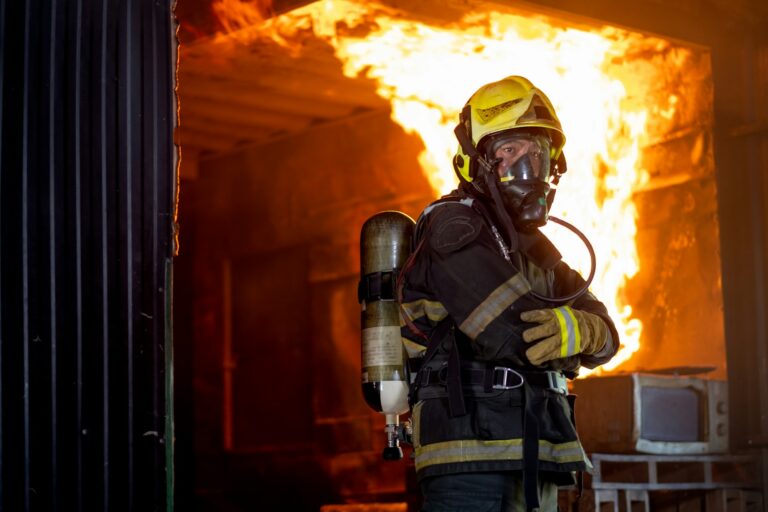
Firefighter man with protective and safety clothes stand with arm-crossed in front of fire

How to Choose a Fire Safety Services Provider?

This means that the fire safety provider chosen by you matters a great deal in maintaining the safety of your business. Here’s how you could make an informed choice:

Seek experience and reputation

Go for a provider with a good history of business fire safety. Get references and go through online reviews. A reputable company must be happy to share their stories of success.

Check for Certification and Accreditations

Insist that they are certified by relevant industrial certifications. Organizations with such certification simply prove to the world an organization’s commitment to excellence in protection against fires.

Scope of Services

Seek a fire protection service provider who can effectively provide all-rounded services. This can include services such as fire risk assessment, training in fire safety, and fire equipment maintenance.

Experience

Request prospects what experience they have in working with businesses similar in nature to yours. This way, they will be fully aware of your particular needs regarding fire safety unique to your industry.

Check on Their Responsiveness

A good provider should be readily available for handling emergencies and routine services. Inquire about their response times and support procedures.

Assess Their Training Methods

Inquire about the fire safety training programs of a provider. Effective training is the basic essence of a safe working place or environment.

Assess Their Technology and Equipment

Choose a provider who utilizes updated technology and equipment for fire safety audits and maintenance.

By keeping these factors in mind, you’ll be well on your way to selecting a provider suited to your specific business needs. Remember that a suitable fire safety service provider would be a partner in keeping your workplace safe and compliant.

Case Studies Related To Fire Safety

Let us look through a few examples of businesses that took manifold safety through fire safety services:

Walmart

One of the large retail chains, Walmart, had considerable problems regarding fire safety compliance. Geographically, their stores were located in different places, thus requiring consistent fire equipment maintenance and planning for emergencies. They teamed up with a reputable fire safety provider who did a professional fire risk assessment and offered them an all-inclusive fire safety management plan.

Thus, Walmart was able to improve the working fire safety in the stores by ensuring that they complied with the fire safety regulations. This move ensured that no potential fire hazards or issues arose and boosted safety in general.

General Motors

General Motors is a manufacturing facility having outdated fire safety systems with no regular fire safety training for the employees. Then, when they experienced a minor case of fire, they realized the critical nature of the situation in terms of professional fire protection services. They hired an experienced provider who upgraded their fire safety systems and conducted fire safety training sessions.

The result was a much safer workplace fire safety with much better informed and better-prepared employees to act effectively in times of emergency. 

Google

Google required a specialized emergency planning process, given the density of occupancy and the complexity of the structure of their buildings. They availed themselves of a fire safety provider in creating and implementing an emergency plan to address all the minutest details.

Through regular drills and updates, it allowed all occupants to familiarize themselves with the routes they would follow in the case of evacuation. It fostered a more organized way of responding during fire drills, which improved the general culture of safety within the office complex.

These case studies generally portray how different businesses benefited from professional fire safety services. Customization while solving the problems helped these firms to enjoy better safety outcomes with compliance with the fire safety standards.

Future Trends in Fire Safety Services For Businesses

Groundbreaking technologies are outlining the future of fire safety services for businesses. Smart systems have revolutionized the whole perception of fire safety management, from real-time monitoring to quicker response times. You’ll find more integration of artificial intelligence in fire risk assessments for predicting hazards before they occur.

In addition, automation is increasingly ensuring that the workplace is safe from fires. The latest developments in fire safety systems endow them with the ability to diagnose most problems on their own, thereby greatly eliminating the need for inspection by humans. Virtual reality plays a great role in the importance of fire safety training by immersing in as realistic as possible scenarios without real danger.

These trends increase the effectiveness and efficiency of fire protection services. Being aware of these developments as a business owner will be very instrumental in making better decisions concerning your strategy for fire safety management.

All Things Considered,

Fire safety services are critical for the protection of your business, staff, and premises. They will help you with everything from fire outbreak risk assessments to emergency planning so that you are not only complying with the law but also dealing with such eventualities. Therefore, Proper fire safety provision is very important to any efficient fire safety management strategy.

Due to rapid development, fire protection services are getting increasingly wiser and more effective. Equipped with knowledge and being proactive is how to make the workplace much safer.

So, keep your fire safety efforts from going up in smoke! Put into comprehensive fire safety services today. After all, it is always better to be safe than sorry—or in this case, better to be prepared than charred!

Stay safe and keep the flames at bay! 

To know more details  Check out NPFA Guidelines

Looking for End-to-End Fire Safety Services?

SRJ Piping India delivers expert fire safety solutions—from audits to installations—tailored to your facility’s needs.

Step-by-Step Guide to Fire Protection Installation

Step-by-Step Guide to Fire Protection Installation

Table of Contents

Imagine fire safety was as easy as pie; well, you wouldn’t pass up dessert and neither should you pass up on proper fire protection installations

The right fire safety installation will save the lives and property of human beings. Some widespread applied fire protection systems can be installed in training facilities or other businesses. These include fire sprinklers, fire alarms, and fire extinguishers. Each system assures the delivery of a critical function at the time of fire breakout.

In this guide, we’ll walk you through how to install fire protection systems that will leave even firefighters nodding in approval. Think rain on the parade of fire with sprinklers, screaming-loud alarms than your favorite rock band, and extinguishers that pack a punch against flames.

Further, we’ll learn the ins and outs of the following:

  • Sprinkler systems (a.k.a. indoor rain machines)
  • Fire alarms (building’s way of yelling “Fire!”)
  • Fire extinguishers (handheld flame zappers)
  • Smoke detectors (sniffers extraordinaire)

This step-by-step fire system installation guide will take the mystery out of protecting your building, whether you’re a contractor, a facility manager, or a DIY enthusiast.

Latest advancements in fire fighting technology and techniques.

Pre-Installation Considerations of Fire Protection Systems

There’s much to consider before you get into fire protection installation. You can look upon it as laying the groundwork for your building’s superhero suit. Breaking it down:

Assessment

Before the beginning of any fire protection installation, a proper risk assessment of your facility is quite important. It entails analyzing the probable dangers of a fire in high-risk areas. Walk around the whole building, therefore, and note down all those spots where fires are most likely to break out. Take notice of sources of ignition like electrical equipment, heating systems, and flammable materials. 

Planning

Once you have assessed the risks, it is time for fire protection planning. Come up with a fire protection plan that respects the specific requirements of your facility. The plan should detail how you can protect your different areas, how you can make protection effective, and what systems you will use for protection. Seek the cooperation of fire protection experts to come up with comprehensive plans.

Choosing the Right System

Hence, the next step becomes imperative: the choice of the appropriate fire protection system. There are many systems to choose from with each one apt for different spaces. Installing fire sprinklers is ideal in large commercial spaces while fire alarm installation makes sense in every space for the timely detection of fire.

Some of the common fire safety systems in use are:

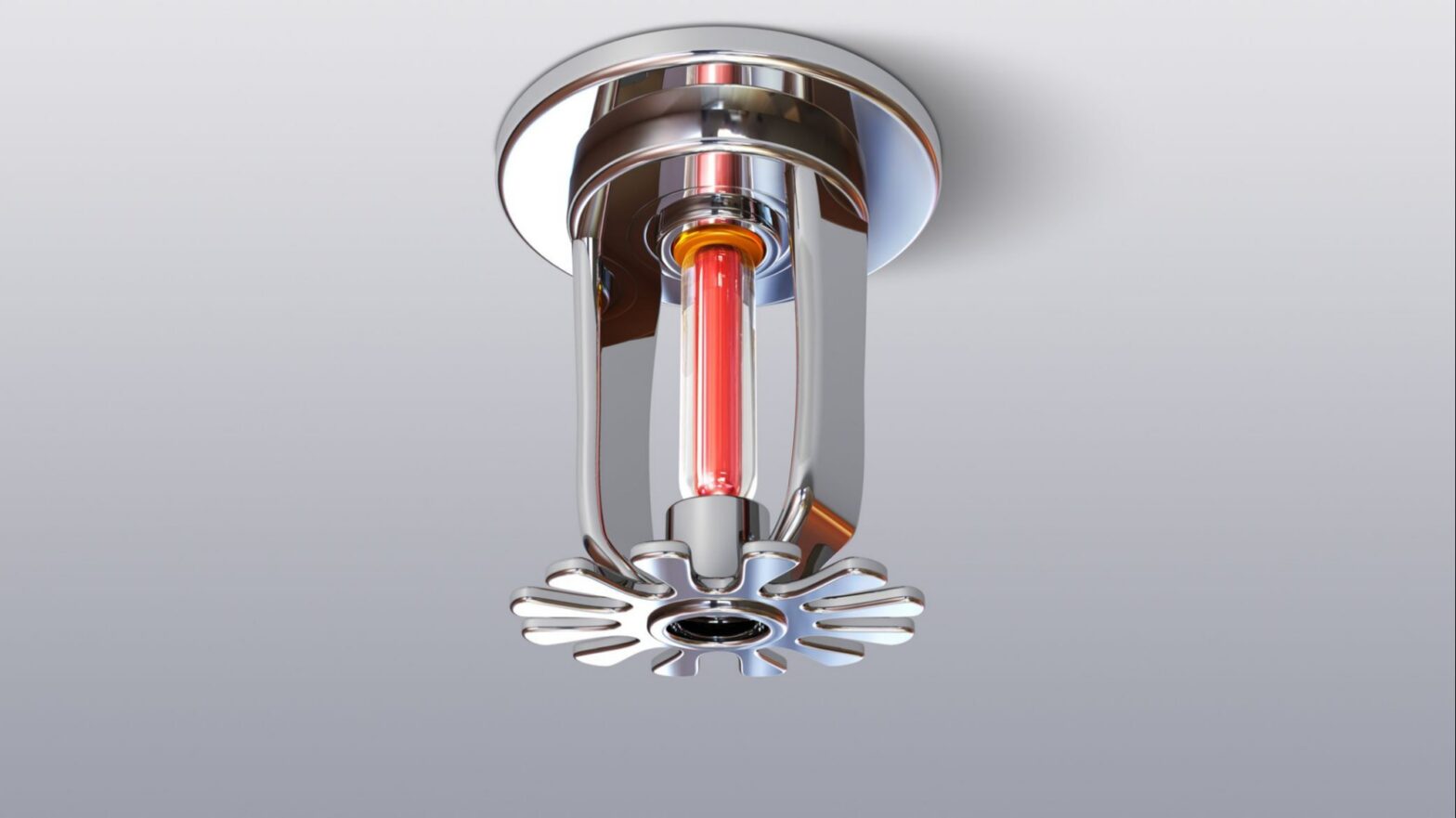
  • Fire Sprinklers: Suitable for big areas having a major fire risk. They provide automatic fire suppression.
  • Fire Alarms: It is essential for early warning and evacuation; fire protection integration can be made with other systems to provide comprehensive protection.
  • Fire Extinguishers: These are manual aids for fire-fighting; should be easily accessible from any point in a facility.

A well-thought-out assessment and planning of the appropriate system will allow for solid footing so that proper installation of a fire protection system can take place.

Fire Protection System Installation Steps

Right, then, let’s move on to the thrilling stuff: fire protection system installation steps. This step-by-step fire protection installations guide will help you with this process:

Plan and Design

The initial stage of fire protection installation is the planning and design phase. An installation plan detailing the setting of each component should be developed by a blueprint. Secure the necessary permits and approvals from local authorities. These are very vital in terms of compliance with the law on legal requirements and safety standards.

Material Preparation

Once the design is ready, mobilize or prepare all the equipment and materials that will be used. These would include fire sprinklers, fire alarm devices, fire extinguishers, and other accessories related to fire protection. Make sure all the components used are according to the necessary codes and standards. Having everything ready in advance saves time and ensures that installation goes smoothly.

Fire Protection Systems Installation

Now, this is the actual installation of fire protection systems. The following are the step-by-step processes involved with various types of systems:

Fire Sprinklers: 

  • Marking the positions of the sprinklers per the blueprint.
  • Drill holes and mount the sprinkler heads
  • The sprinklers are connected to the water supply through appropriate piping.

Fire Alarms:

  • Install the control panel in the central location.
  • The smoke detectors in those areas where the greatest risk is implemented.
  • The detectors are connected to the central control panel by required wiring.

Fire Extinguishers:

  • Mount extinguishers in accessible locations.
  • Distribute extinguishers such that they shall be clearly marked and very reachable in case of emergency.

Observe all precautions when installing. Use protective gear, handle electric tools with care, and make sure that electrical connections are safe.

Testing and Commissioning

This is followed by testing and commissioning of the systems. Test each part to ensure that it is working according to expectations. Test fire alarms by triggering them to check if they can respond to smoke conditions. Similarly, test the sprinklers using a simulated fire incident. The final step followed after testing is conducting the commissioning procedures. Commissioning involves documented installation, test results, and any adjustment to the system that has been installed.

These fire protection system installation steps allow for a rugged and reliable fire safety setup. The step-by-step fire protection installation guide will contribute to the creation of a safe and secure environment from fires inside a building.

Fire Protection Planning: Post Installation

Congratulations on your fire protection installation. Hold your horses, you are not quite done yet. The post-installation phase is vital for long-term safety from fire. Breaking it down, there is:

Documentation and Training

Detailed documentation of the whole process is required after the completion of the fire protection installation. It means all varieties related to installation procedures with complete specifications of components, and test results. Proper documentation helps in future maintenance and troubleshooting.

The next thing that you will do is to train your people regarding fire protection equipment and emergency procedures. Organize regular sessions for fire-safety training and demonstrate how extinguishers, alarm systems, and other systems are operated. You should also use these opportunities to run emergency evacuation drills so that in the event of a real fire, people know what to do.

Regular Maintenance and Inspections

Routine checks and servicing are highly recommended after installation to ensure that the system keeps working perfectly. All components should be in good working order, for instance, testing fire protection system periodically confirms the assurance it will properly work during emergencies. Some common examples of maintenance types include partnership agreements:


  • Fire extinguishers should be inspected and changed if need be.
  • Test fire alarms to ensure they respond engagingly to threats of fire.
  • The fire sprinkler system is checked for leaks and blockages.

Regular inspections by fire protection experts will reveal concerns or potential problems before they become critical. Such proactive means of proceeding permit limiting a reliable fire protection setting and ensuring that your building is safe.

Following these post-installation steps ensures that fire safety systems continue performing their proper functions effectively. Proper documentation, training, and maintenance are keys to assurances of the safety of an environment and a fire protection system successfully installed.

Case Studies Of Successful Fire Protection Installations

Let us take examples of successful and tested fire protection installations. The following case studies highlight how intricacies could be overcome with careful planning and following it up with flawless execution. The results are very impressive.

New York Office Building

One of the prosperous installations regarding fire protection tools was in the case of an office building in New York. The challenge in this case was how the building was laid out, which demanded an individual plan for fire safety installation. The team cooperated with fire protection experts installing fire sprinklers, alarms, and extinguishers in the facility. 

The outcome was a full fire protection system integrated into the building, enhancing its overall safety features. Regular testing of the fire protection systems confirmed that they work properly, adding confidence to all people entering a building.

Manufacturing Plant in California

The manufacturing plant in California is another case study whereby the facility had several fire risks due to the highly flammable materials used to make its products. The team installed industrial fire sprinklers and alarms in the facility. Early detection was provided by the fire alarm installation, and the sprinklers provided effective fire suppression. 

The project overcame the challenge of high risk within the environment and therefore ensured a much safer workplace and reduced occasions for fire hazards. 

Residential Complex in Texas

A residential complex in Texas needed fire protection. The challenge was the decision of how to give top coverage for a collection of buildings with a variety of needs. Fire protection planning consisted of installing fire alarms in each unit and a fire extinguisher set up in common areas. 

Properly installed fire protection systems gave both individual units and communal areas, at a minimum, very good protection. This project was big in that it brought to life a well-protected residential area with its uniquely diverse settings and specially tailored solutions.

These cases prove that if equipped with the right fire protection experts, planning, and innovative solutions, any complex challenges regarding how to install fire protection systems. Keep in mind that every project is different but the aim is always the same; to make the world a little safer for everybody.

In a Nutshell

Congratulations! You now know the art of fire protection installation. Here is a quick summary of this step-by-step fire protection installation guide:

  • Begin with proper planning and risk assessment.
  • Choose the right systems to suit your needs. 
  • Follow the correct installation steps for sprinklers, alarms, and extinguishers. 
  • Test everything to see that it goes perfectly. 
  • Document what you have done and train your team in it. 
  • Be consistent with system maintenance to ensure long-lasting safety.

Proper installation of fire protection systems is not just for compliance; it’s to safeguard life and property. Recognizing how to install fire protection systems means that you have taken another highly critical step toward a safer environment, staying up-to-date with fire system maintenance and being wary of dangers. Your devotion to the fire safety constructs today could be what makes the difference in averting disasters tomorrow.

All things considered, a well-protected building doesn’t just save lives; it lets someone proudly claim the title of hero—cape optional!

Need Help Installing Fire Protection Systems the Right Way?

SRJ Piping India ensures compliant, customized fire system installations that safeguard life, property, and peace of mind.

Best Fire Suppression Systems to Protect Commercial Buildings Effectively

How Fire Sprinkler Systems Work: A Comprehensive Guide

Table of Contents

Ever wonder what would happen if your office building suddenly decided to cosplay as a barbecue grill? Not a good thought, right?

 That’s where fire suppression

systems
come in to rescue.

Fire safety isn’t just about having your marshmallows not turn into charcoal—it’s one essential criterion for all commercial buildings out there. You are the unsung heroes to this fiery tale: you are a building owner, facility manager, architect, or construction professional. 

Your step? 

To select the best fire protection solutions to ensure the safety and well-being of everything within.

Let’s face the fact: lousy fire protection is like dragon-fighting with a water pistol. The repercussions can be terrible. In commercial buildings, fires can cause loss of life, property damage, disruption of business, and legal tangles that will have you wishing you were fighting actual flames instead.

So, buckle up! We’re going to run through the minefield of top fire suppression systems for commercial buildings. From trusty old sprinkler systems to high-tech, gaseous fire suppression, we’ll go through all.

Overview of Fire Suppression Systems

So, what exactly are fire suppression systems, and what makes them significant for your commercial space? They detect the flame, control and extinguish it before it spreads in case of an outbreak. Think of it as silent guardians constantly keeping your building safe.

Robust fire suppression systems, then, become the sort of might-have that becomes inherent to a must. It is about people and property saved from the jaws of what was about to go drastically wrong. Sprinklers, dousing flames with water, or gaseous fire suppression systems, suffocating them with chemical agents—are all forms of this kind.

A suitable fire suppression system can mean the difference between a minor incident and a catastrophic loss. 

Types of Fire Suppression Systems for Commercial Use

As far as commercial fire safety is concerned, the proper fire suppression systems matter. Detailed below is a view of the top systems available for commercial buildings:

1. Sprinkler Systems

Types: variations exist, including wet, dry, pre-action, and deluge systems.

Applications and advantages: Wet systems are charged with water and, therefore, retained continuously. They are effective in most commercial applications like offices and retail stores; on the other hand, dry systems are fitted with pressurized air or nitrogen instead of water until a fire is detected and, hence, find application in areas prone to freezing temperatures like warehouses or parking garages.

2. Gaseous Fire Suppression Systems

Types include CO2, FM-200, and Novec 1230 systems.

Applications and benefits: CO2 systems are indicated for the protection of electronic equipment, especially in server rooms or data centers, considering their ability for rapid suppression without leaving any residue. FM-200 is safe in occupied spaces; an example includes protection in offices and hospitals, while Novec 1230 is environmentally friendly and thus a good candidate for areas where sustainability is paramount in operation.

3. Foam Fire Suppression Systems

How they work, where they are used: Foam systems do their function by blankets over the fuel, which prevents oxygen from reaching the fire. They are used in a broad array of facilities handling flammable liquids, such as chemical storage facilities, fuel storage depots, or aircraft hangars.

4. Water Mist Systems

Advantages and applications: Water mist systems cool the fire and smother it by spraying very fine water droplets. They are useful in locations where minimal water damage may be critical, for example, in a museum, library, or an archive of valuable articles.

5. Chemical Fire Suppression Systems

Types: Dry and wet chemical system

Uses and benefits: Dry chemical systems can be installed in an industrial environment where there is some potential for flammable liquids or electrical fires. Wet chemical systems are designed especially for kitchen environments to make sure grease fires are duly suppressed with reduced risks of re-ignition.

Each of these fire suppression systems offers various advantages about specific needs and risks associated with your commercial building. Knowing their applications and the accompanying benefits shall further enlighten you on how to make a quality decision for the protection of your property and, more importantly, the people inside.

How to Choose a Fire Suppression System for a Building?

In choosing the appropriate fire suppression system for your commercial building, several factors have to be considered:

Building Type

This includes the layout and construction of the building. How big the space is, the different systems that will be required, and the sensitivity of areas a building may contain, such as server rooms or kitchens, will impact your choice.

Occupancy

The kind of business and particularly how people are using the space matters. Not only are the offices, retail stores, and facilities in industries like manufacturing associated with unique fire risks, but they also require tailored suppression solutions.

Specific Hazards

Identify the possible fire hazards specific to your business, such as flammable materials or electrical equipment. This would further help in deciding which suppression system is most effective.

You should consult a fire protection expert who will further evaluate the particular needs of your building and recommend to you the most appropriate fire suppression systems. They will ensure proper installation that is within the local regulations for your specific business. These experts understand the intricacies of fire safety technology and can therefore advise on proper installation and maintenance.

You want to be sure that it not only passes regulations but will also provide the best, relevant solutions for your commercial building. Bringing in an expert and carefully considering these factors scrupulously will assure you that you have chosen a fire suppression system tailored to your building’s special needs.

Installation And Maintenance Of Fire Suppression System

A fire system installation does require careful consideration to ensure its effectiveness. There are some steps involved in this process, including:

  • System design: Based on a building’s needs, fire protection experts create a plan.
  • Permits: Obtain local authority approvals.
  • Installation: System installation components by qualified technicians; testing upon completion for troubles that prevent normal operation.
  • Testing: Thorough testing to ensure all equipment is working as intended.
  • Certification: Obtain approval from the relevant authorities certifying that your system meets all necessary safety standards.

However, Installation of fire suppression systems in commercial buildings is not the end of it. In commercial building fire safety, regular fire system maintenance is as important as the ‘installation’ process. Here’s what you should know:

  • Arrange for monthly visual inspections to identify apparent problems.
  • Conduct tests on alarm devices and control panels each quarter.
  • Annual full inspections and tests shall include comprehensive testing.
  • Replace components or perform repairs thereto as required.

Note that depending on the type of system, various types of fire suppression may have different requirements for maintenance. For example, sprinkler systems require periodic examinations for water pressure and the integrity of pipes. Gaseous fire suppression systems require the performance of various periodic agent weight and pressure tests.

You are likely to experience several common problems related to the maintenance of your system, which are:

  • Accidental activation
  • Corrosion in pipes
  • False alarms

Some of the measures to avoid this problem would be to:

  • Provide regular training to the staff to avoid accidental triggers.
  • Use corrosion-resistant materials in humid environments.
  • Advanced detection systems should be implemented to reduce false alarms.

Proper installation and periodic maintenance of commercial fire suppression systems provide the gateway to keeping your fire protection solutions current. This proactive measure not only enhances safety but can also help extend the life of your system, providing value for your investment in commercial fire safety.

Case Studies Of Successful Fire Suppression Systems

Here are two short case studies on successful implementations of fire suppression systems in commercial buildings:

High-Rise Office Complex

A 50-story office building in a key metropolitan area needed to update its outdated fire protection solutions. Their biggest challenge was how to accomplish the installation with the least possible disruption to their busy offices. It was by opting for a floor-by-floor phased installation of a state-of-the-art water mist system that they did it. The result was a 30% reduction in water damage during a small fire incident, compared to traditional sprinklers.

Data Center

A large data center was concerned about the risk of water damage to sensitive equipment in case of a fire. They chose a gaseous fire suppression system using Novec 1230. The challenge was how to distribute the gas evenly throughout the large open space; through good design and multiple discharge points, they achieved complete coverage. This system extinguished a small electrical fire without damaging the servers.

These cases illustrate how individual fire safety technology can support concrete challenges in commercial building fire safety. They also underline the necessity of cooperating with fire protection experts in finding appropriate solutions to individual needs.

Future Trends in Fire Suppression

The future of fire suppression systems is becoming smarter and more efficient. You will learn about new emerging technologies that will change commercial fire safety as you know it. For example:

  • AI-powered detection systems will be capable of identifying a fire faster and with greater accuracy than ever before.
  • Automation technologies are being integrated into fire protection solutions. Smart systems can now adjust their response to things like the size and type of fire, to reduce damage and make things much safer. 
  • Useful applications also include connectivity with other building management tools, ensuring an inclusive approach toward safety.
  • Another exciting development is the use of environmentally friendly suppression agents. The new substances do have almost the same efficacy in building fire suppression, even though the environmental impacts from them would be lower. 

Remember, staying current with these trends will help you make informed decisions about your investments in fire safety technology.

Conclusion

A correctly installed fire suppression system can enhance the safety of a building and protect its assets. Always remember that no vice-versa, one-size-fits-all solution is available. Your choice will depend on the particular needs and risks associated with your building. Proper installation and regular maintenance are equally important to the system itself.

Stay current with new fire protection solutions as technology changes. It is more than just compliance; it is the safety of life and property. That means you will want to work with fire protection experts to determine the appropriate design for your needs and ensure that the system is properly maintained.

Know about us more from these topics

  1. How to Implement a Foam Fire Suppression System for Industrial Facilities
    This blog provides detailed guidance on implementing foam-based fire suppression systems, complementing the discussion on fire suppression solutions for commercial buildings.
  2. FM200 vs. CO2 Suppression Systems: Which One Should You Choose?
    This blog compares two popular fire suppression systems, offering insights to help readers choose the right system for their commercial building needs.

Have more deeper Knowledge

  1. National Fire Protection Association (NFPA) – NFPA 2001 Standard on Clean Agent Fire Extinguishing Systems
    NFPA’s standard on clean agent fire suppression systems provides authoritative guidelines, relevant for evaluating suppression systems for commercial buildings.
  2. Fire Science – Fire Suppression Systems Guide
    This resource offers a comprehensive guide to fire suppression systems, providing additional context for selecting appropriate solutions for commercial properties.

Related Blog

Enhancing Safety and Security: The Ultimate Guide to Fire Sprinkler Systems
This blog dives into fire sprinkler systems, a key component of fire suppression, offering complementary insights for commercial building safety.

Looking to Install a Fire Sprinkler System?

SRJ Piping India offers end-to-end fire sprinkler design, installation, and compliance support for industrial safety.

Choosing the Right Fire Protection Contractors for Your Project

Choosing the Right Fire Protection Contractors for Your Project

Table of Contents

Fire! The term alone can make anyone fear. But there is nothing to worry about, for that is where the fire protection contractors come in. These unsung heroes stand between us and potential disaster and truly are the guardians of our safety.

But, how to choose the best fire protection contractors for your project?

Choosing the right fire protection contractors is not a negligible matter. It isn’t like ticking off a box in some to-do list; it might prove quite consequential. Unsatisfactory fire safety services can lead to property damage, injuries, or even loss of life. This requires you to engage experts who understand how complex fire protection is.

The following guide will help walk you through the proper way to choose fire protection contractors about experience, reliability, and concern towards the prescribed safety standards for protecting your building.

Let us explain these critical factors in more detail now.

An illustration of a construction site highlighting SRJ Group's safety standards in structural fabrication. Workers wear SRJ-branded safety gear, including hard hats, gloves, and high-visibility vests. Signs like 'Safety First' and 'Wear PPE' are visible. The scene shows steel beams, scaffolding, and a supervisor with an SRJ logo on a clipboard checking compliance. The site is clean and organized, with the SRJ Group logo and tagline subtly integrated into the background, emphasizing the company's commitment to safety and quality."

Understanding Fire Protection Services

Fire protection services are designed to shield your building from possible disasters. It comprises all measures to prevent, detect, and respond in case of a blaze.

So, what exactly do they entail?

These services include fire protection installation, inspection, and frequent maintenance to ensure fire safety. They ensure that systems, such as sprinklers, alarms, and extinguishers, work perfectly. These services fully adhere to the local regulations and standards that ensure you are protected from legal penalties and fines.

Fire safety services are very critical to the protection of life, property, and business continuity. Collaboration with skilled fire protection contractors ensures that your building complies with safety regulations and ensures a safe environment for every occupant.

Factors to Consider While Choosing Fire Protection Contractors

The following become the important factors when hiring fire protection services and contractors:

Experience and Expertise

Some contractors have been in business for a long; hence, their services on effective and reliable fire protection and systems would be trustworthy. Their choice should be based on the experience they previously had in the installation and maintenance of various systems, including sprinklers, fire alarms, and suppression systems.

Certifications and Compliance

The engagement of certified fire protection contractors is essential in ensuring safety and compliance with set codes. These contractors should work within the national and local existing fire protection safety regulations. Key certifications that a client would look for include those of the National Fire Protection Association and the National Institute for Certification in Engineering Technologies.

Reputation and References

A reputation speaks much about a contractor in terms of his reliability and quality in service delivery. You are free to check fire protection company reviews and find references from their past clients. You can get a reference list from the contractor or even go online for reviews.

Range of Services Offered

There is a need to select a contractor who can provide an entire range of fire protection services, from initial installation to continuous fire safety maintenance. Any contractor who can provide all types of services can ensure that every issue relating to fire safety will be taken care of, which will satisfy the peace of mind needed regarding building protection.

Customer Service and Support

The choice of fire protection contractors must be partnered with good customer service and follow-up. A contractor needs to be easy to reach, responsive, and offer good customer service to ensure that problems or issues are resolved efficiently. In the event of a fire outbreak or any other emergency related to this, a contractor who can respond on time might make all the difference in containing damage and ensuring safety.

Considering these key tips for selecting fire safety contractors will help you make the right decision for your project so that the building and its occupants remain safe and secure.

professional technician inspecting a fire extinguisher in a commercial setting, ideal for a website focusing on annual maintenance services for fire extinguishers.

Steps to Evaluate and Select Fire Protection Contractors

The steps in the evaluation and selection of fire protection contractors are as follows:

Initial Research

The first step in choosing fire protection contractors is to do thorough, upfront research. A good place to start would be the use of online industry directories and professional associations, like NFPA and NICET, to name but two. These tools would be tapped into to find qualified and certified fire protection contractors.

Request for Proposals (RFP)

Once you have shortlisted probable contractors, prepare and forward a request for proposals. A good RFP needs specification of scope, project timeline, and exact requirements concerning your fire protection services. It also has to require information on the experience, certifications, and previous projects that concern the contractor.

Interviews and Site Visits

After the proposals are received, interviews of the shortlisted contractors and visits to sites would be necessary. This becomes imperative to understand the experience and treatment being provided by the fire safety services. While conducting such an interview, a checklist of questions may include:

  • What experience do you have with projects similar to this?
  • Can you provide references from previous clients?
  • How do you ensure that your work conforms to local and national fire safety legislation?

Site visits can enable you to see their operations and gauge their level of professionalism and attention to fine details.

Evaluating Fire Protection Proposals

From the proposals received, you consider factors such as cost, scope, and timeline. Evaluating fire protection proposals is the criteria to determine which contractor offers the best value for your project. The cost must therefore be balanced, and accompanied by good quality and comprehensive fire protection services offered.

Making the Final Decision

The last step in choosing fire protection contractors is to make your decision and finalize the contract. Be sure to communicate clearly to the chosen contractor about your expectations and details of the project. Review the contract for inclusion of all agreed-upon terms and conditions.

Follow all the above steps and you will have every confidence in evaluating fire protection contractors for commercial buildings and be reliably and effectively protected from the threat of fire.

Case Studies Related To Fire Safety Contractors

Have a look at the brief case studies of fire protection projects which are very successful:

Johnson Controls (JCI)

One such example was the fire protection system of a large commercial building run by Johnson Controls. The challenges that the project had to address included the integration of sophisticated fire protection installation into existing infrastructure. These issues were resolved through the best fire protection contractors and innovative solutions provided by JCI’s team.

Honeywell International Inc.

The second one is how Honeywell International Inc. manages the complicated fire safety project for one of the large industrial facilities. It had some peculiar hazards that needed specially crafted fire safety services. Certified fire protection contractors from Honeywell were to ensure compliance regarding fire safety and deliver associated ongoing fire safety maintenance. They were able to reduce risk through meticulous planning and execution.

Siemens

A third case is Siemens, which had a project for a large hospital. The challenge in this was the installation of all-encompassing fire protection without causing disturbance to daily operations. Siemens’ team did meticulous planning and phased fire protection installation so that key functions of the hospital were not affected. Their efficient management of the project reveals the importance of finding reliable fire safety contractors for large projects

Common Pitfalls to Avoid in Choosing Fire Protection Contractors

Beware of these common mistakes in choosing fire protection contractors:

  • Not by the price alone: The cheapest quote does not necessarily show the best for fire safety services. Look at value for money in its real sense—expertise, quality of work, and such.
  • Don’t rush it: Do not hurry when targeting a contractor. Research and investigate the qualifications of fire protection contractors and their reputation. Hasty decisions usually end up with poor fire protection installation.
  • Certification check: Ensure that he has the proper certification and complies with the standards in fire safety compliance
  • Customer reviews not to be ignored: Fire protection company reviews will give you an idea about how reliable the contractor is and the quality of service.
  • Details of all the Contracts: Misconceptions delay or cost the project extra money.

Clearly define your project requirements, then ask for detailed proposals and interview them in-depth to ensure a smooth selection process. Keeping away from these pitfalls and using careful selection processes gives you a better opportunity to find the best fire protection contractors for your project.

In the End

The best fire protection contractors hold the keys to ensuring safety and compliance. First, think about fire protection expertise. Look for certifications. Read fire protection company reviews. By following these steps, you will be able to choose the best fire protection contractors with surety for your project.

After all, for the best fire safety services, you would want a team that is the hot stuff rather than one that leaves you in a hot seat. 

Selecting the right fire protection contractor is crucial for ensuring compliance, efficiency, and safety in your project. Companies like SRJ Piping India specialize in designing and installing advanced fire suppression systems tailored to industrial and commercial needs. Additionally, regular fire safety maintenance is essential for keeping fire protection equipment in optimal condition. Ensuring compliance with NFPA fire protection standards and Bureau of Indian Standards (BIS) regulations guarantees that your fire safety system meets the highest safety benchmarks.

Need a Trusted Fire Protection Contractor?

SRJ Piping India brings certified expertise, proven systems, and timely execution to safeguard your project from fire risks.

Enhancing Safety and Security: The Ultimate Guide to Fire Sprinkler Systems

Understanding Different Types of Fire Suppression: The Importance of Fire Suppression Systems in Commercial Buildings

Table of Contents

Fire safety is a critical concern for commercial buildings, where fires can cause devastating damage, loss of life, and massive financial setbacks. One of the most effective ways to mitigate fire risks is through the installation of fire suppression systems. These systems are specifically designed to detect, control, and extinguish fires, preventing their spread and minimizing damage. In this blog, we will explore the different types of fire suppression systems available for commercial buildings, how they work, and why they are essential for protecting your property and people.

Types of Fire Suppression Systems for Commercial Buildings

Selecting the right fire suppression system for a commercial building depends on several factors, including the nature of the business, the building’s layout, and the types of fire hazards present. Below are the most common types of fire suppression systems used in commercial settings:

1. Water-Based Fire Suppression Systems

Water-based systems, also known as sprinkler systems, are one of the most common and widely used fire suppression methods in commercial buildings. These systems release water through strategically placed sprinkler heads when a fire is detected. They are highly effective in controlling and extinguishing fires, especially in offices, retail stores, and industrial buildings.

  • Wet Pipe Systems: Sprinkler heads are filled with water at all times. When the heat from a fire reaches the sprinkler, water is released immediately.
  • Dry Pipe Systems: These systems use pressurized air or nitrogen in the pipes, which is replaced by water only when the fire is detected, preventing water from freezing in cold environments.

2. Foam Fire Suppression Systems

Foam fire suppression systems use a combination of water and foam concentrate to extinguish fires. These systems are particularly useful in environments that deal with flammable liquids, such as chemical plants, oil refineries, and aviation hangars. Foam forms a blanket over the fire, cutting off its oxygen supply and preventing re-ignition.

  • High-Expansion Foam Systems: Best suited for large areas such as warehouses.
  • Low-Expansion Foam Systems: Ideal for smaller spaces or where liquid fuels are stored.

3. Gaseous Fire Suppression Systems

Gaseous fire suppression systems are commonly used in environments where water or foam could cause significant damage, such as server rooms, data centers, and museums. These systems release gases like FM-200 or CO2 to extinguish fires without leaving residue.

  • FM-200 Systems: This gas works by removing heat from the fire and is safe for use in occupied spaces.
  • CO2 Systems: Carbon dioxide displaces oxygen, smothering the fire. However, CO2 systems are not recommended for occupied spaces due to the risk of suffocation.

4. Chemical Fire Suppression Systems

Chemical fire suppression systems are highly effective in environments such as commercial kitchens and industrial facilities. They use a chemical agent, typically a dry or wet chemical, to extinguish fires. Wet chemicals are particularly effective in dealing with grease fires, which are common in restaurant kitchens.

  • Dry Chemical Systems: These systems use a powder-based agent to extinguish fires.
  • Wet Chemical Systems: Wet chemicals create a foam-like substance that cools flames and prevents re-ignition.

5. Water Mist Systems

Water mist systems release fine water droplets to suppress fires by cooling the flames and displacing oxygen. These systems are ideal for places where water damage is a concern, such as hospitals, libraries, and data centers. The minimal amount of water used reduces the risk of water damage while still effectively controlling fires.

Explore the latest innovations in fire safety engineering, including smart detection systems, advanced suppression technologies, and sustainable fire protection methods. Stay updated on what’s shaping the future of fire safety.

Benefits of Installing Fire Suppression Systems in Commercial Buildings

Investing in a fire suppression system for your commercial building offers several advantages, including:

1. Protection of Life and Property

The primary purpose of fire suppression systems is to protect both people and property. By detecting and controlling fires early, these systems can prevent the spread of flames, reducing the risk of injury, loss of life, and extensive property damage.

2. Reduced Downtime

Fires can disrupt business operations, leading to downtime and financial losses. An effective fire suppression system can minimize fire damage, allowing your business to resume operations more quickly after an incident.

3. Compliance with Fire Safety Regulations

Most commercial buildings are required by law to have fire suppression systems installed. Ensuring that your building complies with local fire safety regulations not only keeps your property and people safe but also helps avoid fines and legal complications.

4. Insurance Premium Reductions

Many insurance providers offer reduced premiums for buildings equipped with fire suppression systems. This is because the presence of a fire suppression system lowers the overall risk of significant fire damage, which in turn reduces the insurer’s liability.

How to Choose the Right Fire Suppression System for Your Building

Selecting the right fire suppression system depends on several factors. Consider the following when choosing a system for your commercial building:

  • Building Size and Layout: Large buildings or facilities with multiple levels may require more extensive fire suppression systems, while smaller buildings can opt for simpler solutions.
  • Type of Business: The nature of your business influences the type of fire suppression system you should install. For example, a data center would benefit more from a gaseous suppression system, while a commercial kitchen requires a wet chemical system.
  • Fire Hazards: Identify the specific fire hazards present in your building. For instance, a warehouse storing flammable materials may need a foam suppression system, while an office building might only require a water-based system.

Installation and Maintenance of Fire Suppression Systems

Installing a fire suppression system is only the first step in ensuring your building’s fire safety. Regular maintenance is essential to keep the system functioning correctly. Here are some key points to keep in mind:

  • Professional Installation: Always have your fire suppression system installed by certified professionals to ensure compliance with safety standards and local regulations.
  • Regular Inspections: Conduct routine inspections to check the system’s components, including sprinkler heads, pipes, and control valves.
  • System Testing: Perform regular tests to ensure that the system activates correctly in the event of a fire.
  • Maintenance Contracts: Many fire protection companies offer maintenance contracts to ensure your system stays operational year-round.

Conclusion

In conclusion, fire suppression systems for commercial buildings are an essential investment for protecting lives, property, and business operations. From water-based sprinklers to gaseous fire suppression systems, each type of system serves a specific purpose based on the unique needs of the building. To ensure optimal fire safety, consult with a fire protection expert who can guide you in selecting the right system and provide ongoing maintenance to keep it functioning properly.

For more information about fire suppression systems, visit the National Fire Protection Association (NFPA).

By investing in a reliable fire suppression system, you are safeguarding your building against the unpredictable and devastating impact of fire, ensuring long-term safety and peace of mind.

Fire suppression systems play a critical role in protecting commercial buildings from fire hazards, ensuring safety and compliance with industry regulations. Companies like SRJ Piping India offer tailored fire suppression solutions, including water-based, gas-based, and chemical suppression systems to suit different commercial environments. Regular fire system maintenance ensures long-term functionality and reliability. Compliance with NFPA fire safety standards and Bureau of Indian Standards (BIS) is crucial for meeting regulatory requirements and minimizing fire risks in business spaces.

Looking for the Right Fire Suppression System?

SRJ Piping India offers tailored fire suppression solutions for commercial spaces—ensuring rapid response and minimal damage.