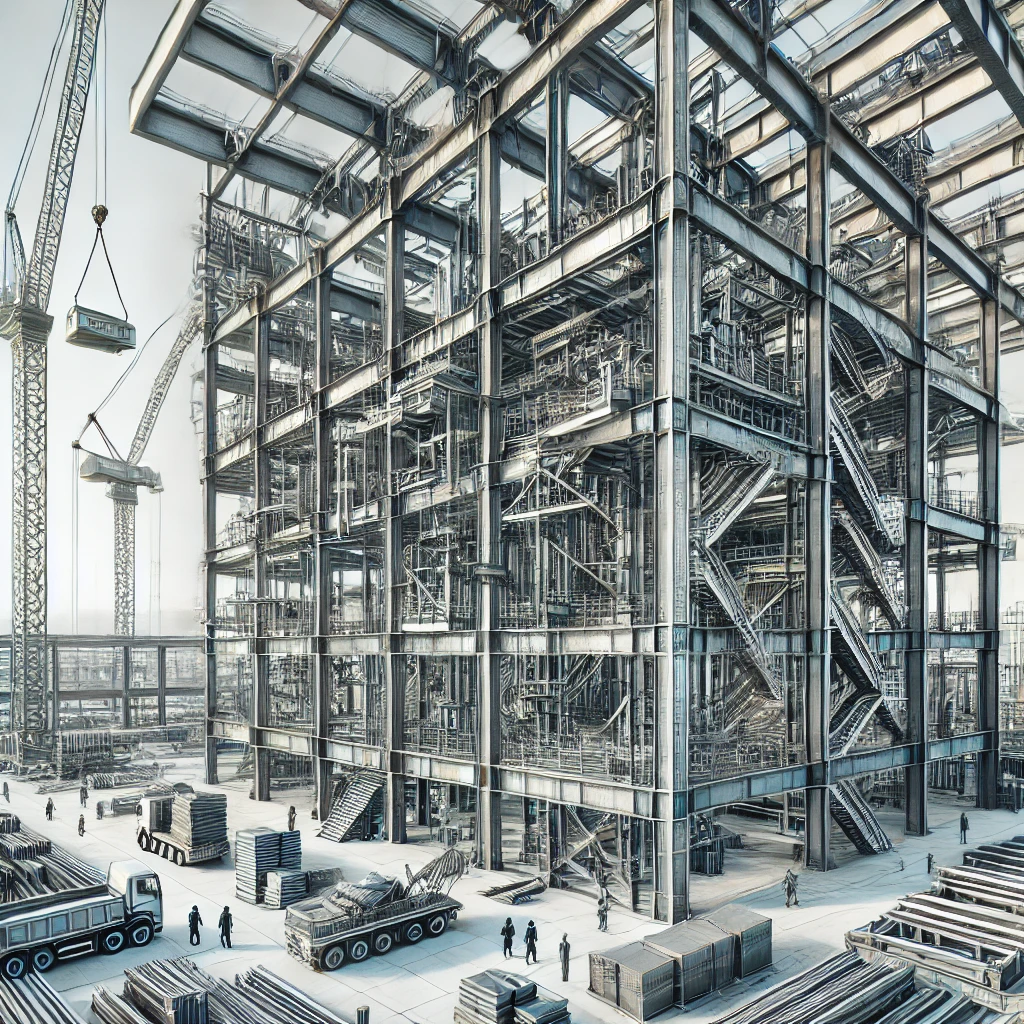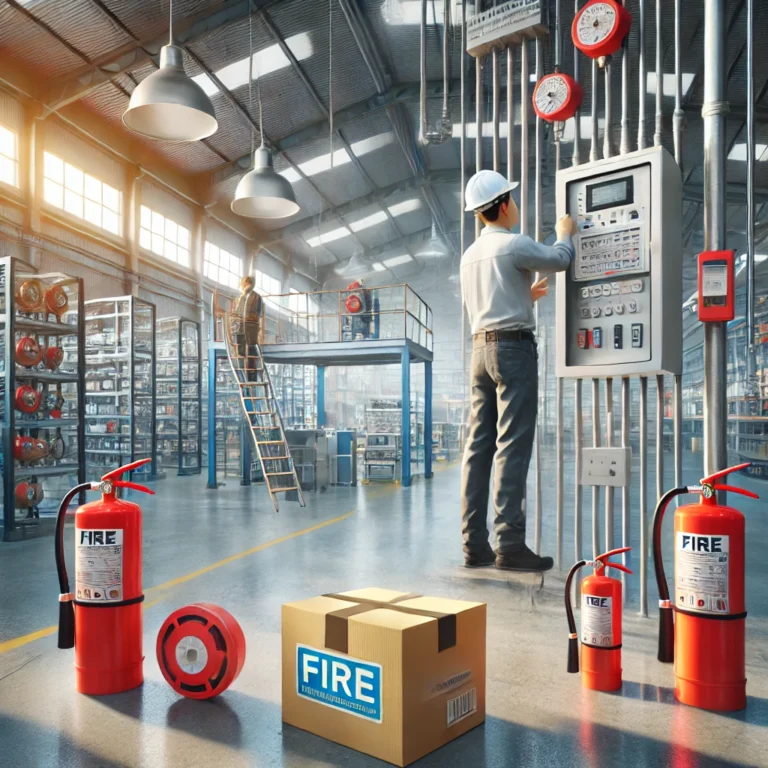
SRJ Piping India company logo – leaders in fire protection, industrial piping, and heavy structural fabrication solutions

Critical Role of Industrial Pipe Fitting in Streamlining Manufacturing Processes

The Critical Role of Industrial Pipe Fittings in Manufacturing Efficiency

Table of Contents

Think of a huge puzzle where every piece must fall perfectly into place to form the bigger picture. Now, imagine your manufacturing facility as this puzzle. What’s one essential piece? Industrial pipe fittings. Without these components, the entire structure could fail. Curious to know more? Let’s dive into the world of bends, joints, and flows that keep your facility running like a well-oiled machine.

Let’s explore the intricacies of industrial pipe fittings. It’s not rocket science, but it’s incredibly important for maintaining smooth operations in your facility.


What Are Industrial Pipe Fittings?

Industrial pipe fittings are accessories used to join or connect different sections of pipes. They ensure the smooth flow of liquids, gases, and even solids through the piping system. Essentially, they act like the joints in a skeleton, providing flexibility and strength to the overall structure.

  • Types of Pipe Fittings: These include elbows, tees, couplings, and flanges, each serving a unique function.
  • Materials: Stainless steel, carbon steel, and plastic are commonly used. Stainless steel is prized for its corrosion resistance, while plastic offers cost-effectiveness.
  • Applications: Industrial pipe fittings are essential in industries like oil and gas, chemical processing, and water treatment, as they enable the complex networks of pipes to function efficiently.

Why Are Pipe Fittings So Important?

The right pipe fittings protect your employees and your profit margin. But why exactly are they so important?

1. Ensuring Safety

Pipe fittings prevent leaks and spills, ensuring that hazardous materials don’t pose safety risks. This is particularly crucial when handling dangerous chemicals where even a minor leak can lead to serious consequences. For best practices in corrosion protection, selecting the right materials is key.

2. Maintaining Efficiency

Pipe fittings maintain optimal flow rates and pressure levels, ensuring that the manufacturing process operates smoothly. Without them, your production line might suffer from inefficiencies.

3. Cost-Effective Maintenance

Industrial pipe fittings are relatively inexpensive to replace or repair. Fixing a fitting is far less costly and time-consuming than replacing an entire piping system.


Various Types of Pipe Fittings

Not all pipe fittings are created equal. Each type serves a different purpose and plays a critical role in the design and maintenance of piping systems.

1. Elbows

Elbows change the flow direction of a piping system, typically at 45- or 90-degree angles. They are essential in spaces where pipes must bend around obstacles or corners without significantly affecting the flow rate.

2. Tees

Tees split or combine flow paths, diverting a single stream into two different directions or merging two streams into one. This is crucial in complex piping systems that require multiple branching lines.

3. Couplings

Couplings connect two pipes, extending their length or repairing a break. They allow quick fixes or modifications without causing major disruptions to the system.

4. Flanges

Flanges provide easy access to a piping system’s interior for cleaning, inspection, or modifications. They are widely used in industries like chemical processing and water treatment, where frequent maintenance is necessary.


The Role of Stainless Steel in Pipe Fittings

When choosing stainless steel fittings, you invest in durability, safety, and efficiency. Stainless steel pipe fittings are a game-changer in many industries.

1. Durability

Stainless steel is highly resistant to corrosion, rust, and wear, ensuring a longer lifespan for your piping systems. This reduces the frequency and cost of replacements, making it a long-term investment.

2. Hygiene

Stainless steel’s non-porous surface is easy to clean and sterilize. This makes it ideal for industries where hygiene is critical, such as food processing and pharmaceuticals.

3. Strength

Stainless steel can withstand high pressures and temperature variations without deforming. In high-stakes applications like oil and gas pipelines, where failure is not an option, stainless steel fittings offer unmatched reliability.


Innovative Solutions in Pipe Fittings

The world of pipe fittings is constantly evolving, with new technologies and materials driving advancements. Keeping up with these innovations ensures your facility remains efficient and future-proof.

1. Smart Fittings

Smart fittings are equipped with sensors that monitor pressure, flow, and temperature in real-time. This technology allows for predictive maintenance, minimizing unexpected failures and reducing downtime. Learn more about the importance of real-time monitoring in piping.

2. Quick-Connect Systems

Quick-connect fittings speed up installation and maintenance processes, requiring minimal tools and expertise. This reduces downtime during repairs or system modifications, improving operational efficiency while lowering labor costs.

3. Environmentally-Friendly Materials

The use of biodegradable or recyclable materials in pipe fittings helps reduce environmental impact. These sustainable materials align with modern environmental regulations and corporate social responsibility goals, making them an eco-friendly choice for manufacturing facilities.


Conclusion

Though small in size, industrial pipe fittings play an enormous role in maintaining the efficiency, safety, and longevity of your manufacturing processes. Staying informed about the latest innovations and best practices ensures your facility operates at peak performance. The next time you walk through your plant, take a moment to appreciate the importance of these seemingly small components that keep everything flowing smoothly.

By choosing the right fittings, such as stainless steel options for durability or smart fittings for real-time monitoring, you can future-proof your facility while reducing risks and costs. Industrial pipe fittings may seem like a small detail, but they are essential for keeping your manufacturing operations safe, efficient, and up-to-date with industry standards.

Explore more about us

  1. The Ultimate Guide to Industrial Piping Systems
    This blog provides a comprehensive overview of industrial piping systems, offering a broader context for the role of pipe fitting in manufacturing processes.
  2. Top Qualities to Look for in Industrial Piping Contractors
    This blog outlines key qualities to consider when selecting contractors for pipe fitting, complementing the discussion on ensuring quality in manufacturing.

  3. American Society of Mechanical Engineers (ASME) – B31.3 Process Piping
    ASME’s B31.3 standard provides authoritative guidelines for process piping, including pipe fitting, critical for manufacturing applications.
  4. Piping Technology & Products – Pipe Fittings Technical Bulletins
    This resource offers detailed technical insights into pipe fittings, supporting the discussion on their importance in manufacturing.

Related Blog

An Overview of Industrial Piping Systems and Their Applications
This blog explores the applications of industrial piping systems, providing additional context for the role of pipe fitting in various manufacturing scenarios.

Need Precision Pipe Fittings for Peak Efficiency?

SRJ Piping India delivers high-performance industrial fittings that enhance reliability and streamline your manufacturing systems.

Innovative Solutions in Industrial Piping

Energy-Efficient Industrial Piping: Innovations for a Sustainable Future

Table of Contents

Energy-efficient industrial piping is essential for maintaining smooth operations, reducing costs, and supporting sustainability in modern industrial facilities. Without the right piping systems, industries can face leaks, inefficiencies, and costly disruptions. Fortunately, advancements in energy-efficient industrial piping have introduced solutions that help optimize operations and lower environmental impact.

In this guide, we’ll cover:

  • The role of innovation in energy-efficient industrial piping
  • Advanced technologies enhancing piping systems
  • The benefits of smart piping systems
  • High-density polyethylene pipes (HDPE)
  • Chemical-resistant materials for piping systems
  • Real-time monitoring and maintenance
Comprehensive guide to fire protection systems and services, ensuring safety and compliance for every environment.

The Role of Innovation in Energy-Efficient Industrial Piping

Innovation in energy-efficient industrial piping is crucial for improving safety and operational efficiency. Moreover, modern piping solutions offer enhanced durability while minimizing energy consumption. Traditional systems have served industries well in the past, but today’s demands require more eco-friendly solutions to meet energy-saving goals. These advances allow industries to operate more efficiently while reducing their environmental impact.

Advanced Technologies in Energy-Efficient Piping Systems

New technologies have greatly improved energy-efficient piping systems by increasing performance, extending the life of the systems, and reducing operational costs. As a result, businesses can benefit from better flow rates, fewer breakdowns, and optimized energy use.

Key Technologies:

  • Fusion Welding: This process enhances the quality of pipe joints, leading to fewer leaks and better system performance, especially in high-pressure applications.
  • Advanced Coatings: New coatings provide better protection against corrosion, which ensures the pipes last longer even in harsh environments. Learn more about corrosion protection for industrial piping systems.
  • Composite Materials: These materials combine the strengths of different substances, making pipes more durable and energy-efficient.
"Fire protection systems and services blog providing expert insights on safety solutions for residential, commercial, and industrial spaces

Smart Piping Systems for Energy-Efficient Industrial Piping

Smart piping systems are changing the way industrial operations are managed. By using sensors and smart technology, these systems continuously monitor and optimize the piping network. This helps businesses improve energy efficiency while minimizing risks.

Benefits of Smart Piping Systems:

  • Real-Time Monitoring: Sensors monitor temperature, pressure, and flow rates in real-time, helping identify issues early on.
  • Predictive Maintenance: With data-driven insights, businesses can schedule maintenance before any major problems arise, reducing downtime.
  • Increased Efficiency: By monitoring energy usage, smart piping systems help industries cut down on wasted energy and improve overall performance. Discover more about smart industrial piping solutions.

Alt text: “Smart piping systems featuring real-time monitoring for optimized energy efficiency in industrial operations.”

High-Density Polyethylene (HDPE) Pipes for Energy-Efficient Industrial Piping

High-Density Polyethylene (HDPE) pipes are becoming more popular in energy-efficient industrial piping due to their durability, flexibility, and resistance to chemicals. They provide an affordable and reliable option for many industries.

Advantages of HDPE Pipes:

  • Chemical Resistance: HDPE pipes are ideal for industries such as chemical processing because they can withstand a wide range of chemicals.
  • Durability: These pipes are highly resistant to damage, offering a long service life that helps reduce the need for frequent repairs.
  • Flexibility: HDPE pipes can be bent to fit into various configurations, which helps reduce energy loss and the need for additional fittings.

Alt text: “High-density polyethylene (HDPE) pipes used in energy-efficient industrial piping for chemical processing.”

Chemical-Resistant Materials for Energy-Efficient Piping Systems

The use of chemical-resistant materials is key to ensuring the durability and safety of energy-efficient industrial piping systems. These materials help prevent corrosion and other damage, making the systems last longer and reducing the need for maintenance.

Common Chemical-Resistant Materials:

  • Stainless Steel: Stainless steel is known for its excellent resistance to corrosion and high temperatures, making it perfect for industrial piping.
  • PVC and CPVC: These lightweight plastics are resistant to many chemicals, making them ideal for lower-pressure environments.
  • Glass-Lined Steel: This material combines the strength of steel with the non-corrosive properties of glass, making it suitable for handling harsh chemicals.

Choosing the right chemical-resistant materials is important for ensuring that your piping system is efficient and long-lasting. Learn more about choosing the right piping materials for your operations.

Energy-Efficient Piping Solutions with Real-Time Monitoring

Real-time monitoring is an important part of energy-efficient industrial piping systems. It allows businesses to continuously track the condition of their pipes and identify potential issues before they become serious.

Key Benefits of Real-Time Monitoring:

  • Early Detection of Issues: Monitoring systems can detect problems early, allowing businesses to make repairs before the issues escalate.
  • Reduced Downtime: With predictive maintenance, industries can reduce the risk of unplanned downtime and keep operations running smoothly.
  • Enhanced Safety and Efficiency: Real-time monitoring ensures that the piping system is working within safe limits, improving both performance and safety. Learn more about real-time monitoring solutions for your facility.

Conclusion

Know more about us

  1. The Role of Industrial Piping Engineering in Large-Scale Projects
    This blog explores the critical role of piping engineering in large-scale projects, complementing the discussion on innovative solutions in industrial piping.
  2. Sustainability in Industrial Piping and Fabrication Best Practices
    This blog highlights sustainable practices in piping, aligning with innovative approaches to improve efficiency and environmental impact.

Understand more about with this useful resources 

  1. American Society of Mechanical Engineers (ASME) – Advancements in Piping Technology
    ASME provides insights into the latest advancements in piping technology, offering valuable context for innovative solutions in industrial piping.
  2. Piping Designer – Piping Technologies
    This resource offers technical information on modern piping technologies, supporting the exploration of innovative piping solutions.

Related Blog to read

An Overview of Industrial Piping Systems and Their Applications
This blog provides a comprehensive overview of industrial piping systems, serving as a foundational resource to understand the applications of innovative solutions.

Want Greener, More Efficient Piping Solutions?

SRJ Piping India helps you integrate energy-efficient piping innovations that boost performance and reduce environmental impact.

Heavy Structural Fabrication Process: Key Steps & Benefits

Heavy Structural Fabrication Process: Key Steps and Innovations

The heavy structural fabrication process forms the backbone of large-scale industrial and construction projects. Whether you’re looking at a steel bridge or a towering skyscraper, the fabrication process transforms raw materials into the robust frameworks that support our modern infrastructure. In this article, we’ll explore the heavy structural fabrication process, breaking it down into key steps while highlighting the latest innovations that enhance efficiency and sustainability.

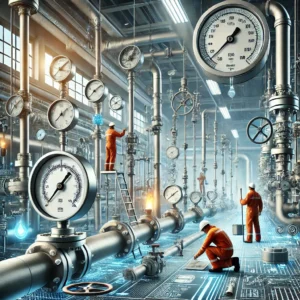
Industrial piping system inspection and maintenance Preventive maintenance for industrial pipes How to maintain industrial piping systems efficiently

What is Heavy Structural Fabrication?

The heavy structural fabrication process involves crafting large, durable structures from raw materials such as steel. It encompasses cutting, shaping, and assembling materials to build the framework of buildings, bridges, and industrial complexes. Importantly, the process ensures that the resulting structures are both safe and long-lasting.

For instance, skyscrapers that define urban landscapes rely on the heavy structural fabrication process for stability and strength. To understand more about structural fabrication in modern construction, you can refer to industry insights.

Key Steps in the Heavy Structural Fabrication Process

The heavy structural fabrication process consists of several essential steps, each contributing to the overall integrity and durability of the final structure. Let’s break these steps down further.

1. Design and Engineering: Establishing the Framework

The initial step in the heavy structural fabrication process involves design and engineering. During this phase, the following tasks are completed:

  • Developing detailed blueprints
  • Selecting materials based on strength, durability, and cost
  • Conducting structural analysis to ensure safety
  • Adhering to local building codes

Engineers rely on advanced 3D modeling software to design the structure and identify potential issues before the fabrication begins. This early planning minimizes risks and sets the foundation for a successful project.

2. Material Selection and Procurement

Choosing the appropriate materials plays a crucial role in the heavy structural fabrication process. While steel is the most commonly used material, other options like aluminum and stainless steel are also available, depending on the project. Several factors influence material selection:

  • Strength: The load-bearing capacity required
  • Corrosion resistance: The ability to withstand environmental conditions
  • Cost: Budget considerations

Materials are sourced from trusted suppliers, and each batch undergoes quality control checks to meet project specifications. Learn more about the importance of material selection in fabrication projects.

3. Cutting and Shaping: Precision in Every Cut

Once the materials are acquired, the cutting phase begins. This involves:

  • Measuring and marking steel beams or plates
  • Cutting materials to exact dimensions
  • Shaping parts to meet design requirements

Modern technologies such as plasma cutters and water jet cutters ensure accuracy while minimizing waste. Precision is key in this phase, as it directly impacts the fit and performance of the finished structure.
Alt text: “Steel cutting and shaping process in heavy structural fabrication using advanced technology.”

4. Drilling and Punching: Preparing for Assembly

In this step, holes are drilled or punched into steel components to allow for bolts and fasteners. These holes must be precisely positioned, as even slight misalignment can lead to issues during assembly. Drilling also facilitates the integration of utilities like electrical conduits or plumbing within the structure.

5. Bending and Rolling: Customizing Structural Components

Sometimes, specific designs require curved or bent pieces. Using specialized machines, steel is bent or rolled into shapes such as:

  • Curved beams: Often used in bridges or curved architectural designs
  • Cylindrical shapes: Applied in storage tanks or pipelines
  • Custom contours: Unique shapes that enhance the design or function of a structure

Bending and rolling provide flexibility in design, allowing engineers to create structures that are both functional and visually striking.

6. Welding: The Core of Structural Fabrication

Welding is the process that binds everything together. During this phase, individual components are fused to form a solid, cohesive structure. The type of welding depends on several factors, including:

  • Material thickness
  • Type of joint
  • Structural requirements

Skilled welders ensure that each weld is strong and long-lasting, providing the necessary support for the entire structure. Discover more about welding techniques in our article on Welding Methods in Fabrication.
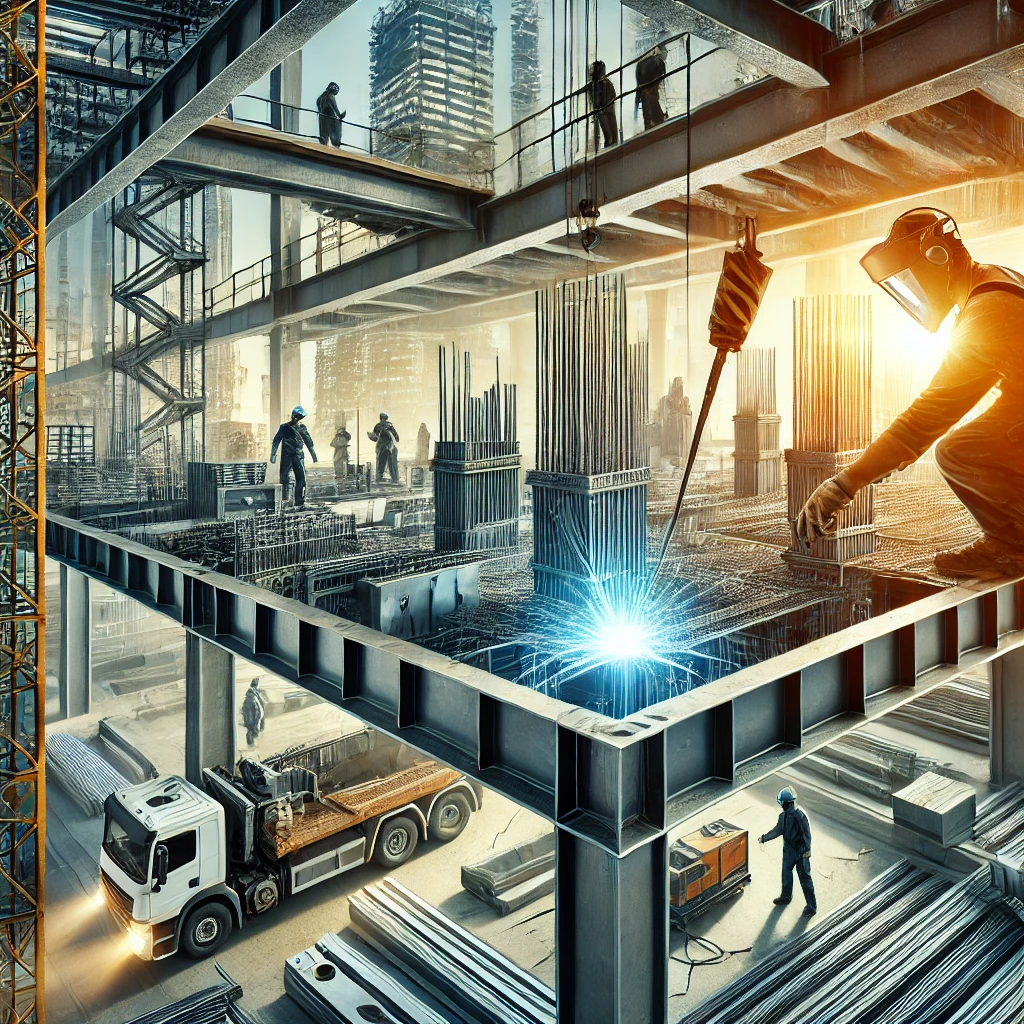
Alt text: “Skilled welder joining steel components in the heavy structural fabrication process.”

7. Surface Preparation and Finishing: Protecting and Perfecting

Once welding is complete, the fabricated components undergo surface preparation and finishing, which includes:

  • Surface cleaning: Removing impurities and weld spatter
  • Painting or powder coating: Applying protective layers to prevent rust
  • Galvanizing: Coating steel with zinc to enhance durability

Finishing not only protects the steel from environmental damage but also enhances the overall appearance of the structure. You can learn more about protective coatings for steel in industrial applications.

8. Quality Control and Inspection: Ensuring Precision

Throughout the heavy structural fabrication process, quality control checks are performed to ensure compliance with project specifications. Key areas of inspection include:

  • Dimensional accuracy
  • Weld strength testing
  • Surface finish quality

If any issues are identified, they are resolved before the structure is delivered to the site.

9. Transportation and Installation: Assembling the Final Structure

Finally, the fabricated components are carefully transported to the construction site for assembly. Due to the size and weight of these components, precise logistics planning is essential to ensure safe delivery and efficient installation.

The Role of Structural Steel in the Fabrication Process

Structural steel is indispensable in the heavy structural fabrication process. Known for its high tensile strength, steel is capable of supporting massive loads, making it ideal for constructing buildings, bridges, and industrial plants.

Furthermore, structural steel is one of the most eco-friendly materials available. It is 100% recyclable, meaning it can be reused without losing any of its properties. This sustainability factor makes steel an excellent choice for green building projects. Learn more about steel’s environmental benefits from World Steel.

Innovations in the Heavy Structural Fabrication Process

Recent innovations have transformed the heavy structural fabrication process. These advancements not only increase efficiency but also enhance safety and reduce environmental impact.

  • Automation and Robotics: Automated systems and robotic welders ensure precision, speed, and consistency, reducing human error.
  • Advanced Materials: The development of composite alloys offers stronger, lighter materials that improve structural integrity.
  • Digital Modeling and Simulation: Advanced software allows engineers to simulate the entire fabrication process, reducing waste and ensuring accuracy.
  • Sustainable Practices: Green fabrication techniques and eco-friendly materials reduce the environmental impact of construction projects. Read more about sustainable construction practices.

Conclusion: Mastering the Heavy Structural Fabrication Process

The heavy structural fabrication process requires a blend of engineering expertise, craftsmanship, and cutting-edge technology. Each step—from design and material selection to welding and surface finishing—contributes to the overall strength, safety, and durability of the final structure.

By understanding the key phases of this process, you can ensure that your project is executed with precision and care. Whether you’re managing a new construction project or upgrading an industrial facility, having knowledge of the structural fabrication process is essential.

Explore more about welding techniques and best practices to ensure your projects are built to last.

The heavy structural fabrication process is crucial for building durable and efficient industrial structures, involving precision engineering and cutting-edge technology. Companies like SRJ Piping India specialize in advanced fabrication techniques, ensuring high-strength frameworks for industrial and commercial projects. Additionally, integrating industrial piping systems into these structures enhances operational efficiency and safety. Global standards such as AWS welding codes and Bureau of Indian Standards (BIS) play a crucial role in maintaining quality and compliance across fabrication projects.

A Comprehensive Guide to Structural Fabrication Techniques

Fabrication Process in Structural Steel: The Backbone of Modern Construction

Table of Contents

High-performance chemical piping systems for safe and efficient chemical transport in industrial facilities

The fabrication process in structural steel is crucial for building modern infrastructure like high-rise buildings, bridges, and industrial facilities. This process transforms raw steel into durable frameworks that support these structures. But what exactly does the fabrication process involve, and why is it essential for construction?

In this guide, we will explore the steel fabrication process, its applications, and the key benefits it offers. Additionally, we will look at the equipment used and the emerging trends in steel fabrication. If you’re planning a construction project, having a deep understanding of this process can help ensure success.

What is Structural Steel Fabrication?

Structural steel fabrication refers to the process of cutting, bending, and assembling steel components to form a complete structure. These structures serve as the skeleton of large-scale projects such as bridges, industrial plants, and skyscrapers. Skilled technicians use specialized machinery to ensure precision in the fabrication process.

Want to learn more about how steel compares to other materials in construction? Check out our Steel vs. Concrete guide for a detailed comparison.


The Structural Steel Fabrication Process

The fabrication process for steel involves several critical stages that turn raw steel into functional building components:

    1. Cutting: In the first stage, steel is cut into the desired sizes and shapes using plasma cutting, water jet cutting, or shearing to ensure precision.

    1. Bending: After cutting, the steel may need to be bent for specific architectural designs. Press brakes and specialized machines are used to bend steel without compromising its strength.

    1. Welding: Welding is key in the fabrication process, as it joins steel parts together. Techniques like MIG and TIG welding create durable joints that can withstand immense weight and pressure.

    1. Assembly: Once the steel is cut, bent, and welded, it is assembled either in a fabrication shop or directly at the construction site. During this stage, quality control checks are performed to ensure the structure’s durability.

Key Equipment Used in the Steel Fabrication Process

In the fabrication process, specialized equipment is essential for cutting, bending, and assembling steel. Some of the key tools include:

    • Plasma cutters: Used for precise cutting of steel.

    • Press brakes: Essential for bending steel into specific angles and shapes.

    • Welding machines: Employed to securely join steel components.

    • Overhead cranes: Used to move large steel beams and plates within the fabrication shop.

Applications of Structural Steel Fabrication

Structural steel is utilized in a broad range of industries, with major applications including:

    • High-rise buildings: Skyscrapers rely on steel frameworks for strength and stability. The high strength-to-weight ratio makes steel ideal for tall structures.

    • Bridges: Steel is used in long-span bridges to handle heavy loads and withstand harsh environmental conditions. 

    • Industrial plants: Factories and manufacturing facilities utilize steel structures to support heavy equipment and maintain operational safety.

    • Transport systems: Steel fabrication plays a critical role in creating strong frameworks for transportation infrastructure like railroads, airports, and terminals.


Benefits of Structural Steel Fabrication

Steel is one of the most popular materials for construction projects because it offers several key benefits:

    • Strength and Durability: Steel can withstand significant weight, making it perfect for supporting large structures. Its durability ensures that buildings and bridges last for decades.

    • Flexibility in Design: Steel’s malleability allows for complex architectural designs, from curved beams to intricate frameworks. Architects and engineers can push creative boundaries thanks to steel’s flexibility.

    • Speed of Construction: Pre-fabricated steel components can be quickly assembled on-site, cutting down on construction time and reducing labor costs.

    • Cost-Effectiveness: While the initial cost of steel may be higher than other materials, its long lifespan and low maintenance requirements make it a cost-effective choice over time.

    • Sustainability: Steel is 100% recyclable, contributing to eco-friendly construction practices. Many projects use steel with high recycled content, promoting sustainability.

    • Fire Resistance: When treated properly, steel can resist fire and high temperatures, which is crucial in the construction of large buildings and industrial plants.

Challenges in the Steel Fabrication Process

Despite its many benefits, structural steel fabrication comes with its own set of challenges:

    • Precision: The fabrication process requires extreme precision. Any errors during cutting or welding can lead to weak points in the structure.

    • Labor-Intensive: Steel fabrication is a skilled trade that requires experienced technicians, making it labor-intensive and potentially expensive in regions with a skilled labor shortage.

    • Equipment Costs: The machinery needed for fabrication is expensive, and maintaining this equipment adds to the overall project cost.

Future Trends in Structural Steel Fabrication

As technology advances, steel fabrication continues to evolve. Some key trends include:

    • Automation: Robotic welders and automated cutting machines are increasingly being used to enhance accuracy and reduce labor costs.

    • 3D Modeling and Simulation: Engineers now use advanced software to visualize and simulate steel structures before fabrication. This allows potential issues to be detected early in the design phase.

    • Sustainable Fabrication: The demand for eco-friendly construction practices is driving innovations in steel production and fabrication processes to reduce environmental impact.

Conclusion

The fabrication process in structural steel is the foundation of modern construction, providing the framework for buildings, bridges, and industrial plants. With its strength, flexibility, and sustainability, steel remains an unmatched material for many construction needs.

By understanding the fabrication process, equipment, and emerging trends, architects, engineers, and project managers can ensure the success of their projects. Whether you’re constructing a skyscraper or a bridge, structural steel fabrication is the key to building durable, efficient, and sustainable structures.

The fabrication process in structural steel is the backbone of modern construction, providing strength, durability, and design flexibility for industrial and commercial projects. Companies like SRJ Piping India specialize in precision fabrication, ensuring structures meet safety and performance standards. Additionally, integrating industrial piping systems enhances efficiency in large-scale projects. Following industry standards like AWS structural welding codes and Bureau of Indian Standards (BIS) ensures compliance, reliability, and longevity in construction.

Need Reliable Structural Steel Fabrication?

SRJ Piping India delivers precision-driven structural steel fabrication for safe, scalable, and modern construction projects.

Benefits Of Heavy Structural Fabrication For Construction Projects

Heavy Structural Fabrication: Key Benefits for Modern Construction Projects

Table of Contents

When you think of modern construction—towering skyscrapers, expansive bridges, and massive industrial complexes—heavy structural fabrication lies at the heart of these projects. This method of creating large steel components has revolutionized the construction industry, making it stronger and more sustainable than ever before.

Learn effective corrosion protection strategies for piping systems to enhance durability and longevity. Discover the best practices and technologies to safeguard your industrial systems against corrosion damage

What Is Heavy Structural Fabrication?

Heavy structural fabrication refers to the process of cutting, bending, and assembling large steel parts to form the skeletal framework of buildings and infrastructure. This fabrication method is essential for construction projects that require superior strength, durability, and flexibility.

For an in-depth look at the structural fabrication process, read our comprehensive guide to structural steel fabrication.

Key Benefits of Heavy Structural Fabrication in Construction

1. Strength and Durability

One of the most important benefits of heavy structural fabrication is the strength and durability of steel. Steel structures can withstand high stress, environmental factors, and even seismic events, ensuring long-lasting buildings. Compared to materials like wood or concrete, steel’s resilience and long lifespan make it ideal for massive construction projects.

For more information on steel’s structural advantages, see our guide to choosing durable construction materials.

2. Cost-Effectiveness

While steel may have a higher initial cost compared to other materials, its cost-effectiveness lies in its longevity and minimal maintenance needs. Steel is lightweight, which reduces transportation costs, and it’s easy to assemble on-site, saving both labor and time. Prefabricated steel components also contribute to faster project completion.

Explore more about the cost benefits of steel fabrication in our construction materials cost analysis.

3. Flexibility and Versatility

Steel can be molded into various shapes, allowing for creative and flexible design solutions. Whether it’s curved beams or complex architectural frameworks, structural fabrication with steel enables architects and engineers to push the boundaries of design.

4. Environmental Resistance

Heavy structural steel fabrication provides excellent resistance to environmental factors. Steel is naturally resistant to corrosion, and when treated with protective coatings, it becomes ideal for construction projects in harsh environments, such as coastal areas or heavy industrial zones.

To learn more about how steel withstands environmental conditions, read our article on the environmental resilience of steel.

5. Sustainability

Steel is one of the most sustainable materials in modern construction. It is 100% recyclable, and most steel used today contains a significant amount of recycled content. This makes heavy structural fabrication an eco-friendly choice for builders looking to reduce environmental impact.

Discover more about the sustainability benefits of steel in our guide to eco-friendly construction materials.

6. Precision and Quality Control

Advanced steel fabrication techniques use technologies like computer-aided design (CAD) and automated machinery, which ensure precise manufacturing and assembly of steel components. This precision translates into safer and more reliable structures.

Find out how modern technology is transforming structural fabrication in our technology guide for construction projects.

Future of Heavy Structural Fabrication

As construction technologies continue to evolve, heavy structural fabrication is keeping pace. Advancements in automation and sustainable practices are making steel fabrication more efficient, accurate, and eco-friendly. Builders are increasingly turning to steel for long-term, sustainable projects.

To read more about the future of structural steel fabrication, explore our industry trends report.

Conclusion

Heavy structural fabrication is a critical part of modern construction. Its strength, flexibility, and sustainability make it the material of choice for large-scale projects like skyscrapers, industrial plants, and bridges. By using steel, you’re ensuring that your project is durable, future-proof, and environmentally friendly.

The heavy structural fabrication process is essential for modern construction projects, offering superior strength, durability, and precision. Companies like SRJ Piping India provide advanced fabrication solutions that enhance the integrity of industrial and commercial structures. Additionally, integrated industrial piping systems improve efficiency by ensuring seamless material flow across construction sites. Compliance with AWS structural welding standards and Bureau of Indian Standards (BIS) guarantees high-quality fabrication, meeting safety and performance benchmarks in large-scale projects.

The Ultimate Guide to the Steel Fabrication Process: Essential Techniques and Applications

Structural Steel Fabrication Process: Techniques and Applications

Table of Contents

The Structural Steel Fabrication Process is the backbone of modern construction, enabling the development of skyscrapers, bridges, and industrial facilities. Without it, we wouldn’t have towering buildings or robust infrastructure that defines our cities. In this blog, we’ll dive deep into the structural steel fabrication process, its applications, and the benefits it offers to the construction industry.

What is the Structural Steel Fabrication Process?

The structural steel fabrication process involves cutting, bending, and assembling steel materials to create strong frameworks for buildings and other structures. Unlike general steel fabrication, this process focuses on producing the skeleton of large structures, providing both strength and flexibility.

Steel fabrication ensures that metal components can withstand stress, adverse weather conditions, and long-term wear and tear. Moreover, the process allows for precision and customization, ensuring each part fits seamlessly into the broader framework of construction.

Key Stages of the Structural Steel Fabrication Process


    1. Cutting: The fabrication process begins with cutting steel into specific shapes and sizes. Tools such as lasers, saws, and water jets are used to ensure accuracy. Since precision is key, even a small mistake can compromise the entire structure.

    1. Bending: After cutting, the steel is bent into the required angles and curves using press brakes. This bending ensures that the steel fits perfectly into the architectural design while retaining its strength.

    1. Welding: Welding plays a crucial role in the fabrication process. It fuses steel components together to create strong, load-bearing units. This ensures that the final structures can handle heavy loads and harsh environmental conditions.

    1. Surface Treatment: To enhance durability, steel components undergo surface treatment. Protective coatings prevent rust and corrosion, ensuring the steel’s longevity in various environments.

    1. Assembly: Once all parts are prepared, they are assembled either on-site or in a fabrication shop. This step includes bolting or welding different sections together to form the structure’s skeleton, providing the necessary stability.

Applications of Structural Steel Fabrication

Building Construction

In the construction of skyscrapers, commercial buildings, and industrial complexes, steel frames are often used to ensure durability and resistance to external forces such as wind, earthquakes, and heavy loads. The structural steel fabrication process is essential in creating these robust frameworks.

Infrastructure Projects

Fabricated steel is the foundation of infrastructure projects such as bridges, tunnels, and highways. Its strength and durability make it the perfect choice for these projects, especially when subjected to continuous heavy traffic and exposure to harsh environmental conditions.

Industrial Facilities

Factories, warehouses, and power plants benefit from steel’s resilience. The material’s high tolerance for heat and heavy machinery makes it ideal for these types of projects, ensuring the safety and longevity of the structures.

Commercial Buildings

Steel allows for large open spaces with minimal support columns, providing architects and engineers with greater flexibility in design. From shopping malls to entertainment complexes, structural steel fabrication offers countless design possibilities.

Benefits of the Structural Steel Fabrication Process

1. Strength and Durability

Steel’s natural strength allows it to withstand significant loads and stress. Whether used in tall buildings or long bridges, steel ensures the structural integrity of any project for decades.

2. Cost-Effectiveness

Although steel may have higher upfront costs, its long-term savings come from its durability and reduced need for repairs. Additionally, pre-fabricated steel parts can speed up construction, further lowering labor costs.

3. Flexibility and Versatility

Steel can be shaped and molded into a variety of forms, making it ideal for both simple and complex architectural designs. Its flexibility also allows for modifications or expansions, giving developers more room to adapt.

4. Sustainability

Steel is 100% recyclable, significantly reducing its environmental footprint. Many projects today use recycled steel, aligning with modern sustainable construction goals.

5. Precision and Quality Control

The use of computer-aided design (CAD) and automated cutting tools ensures that every steel component is produced with precision. This level of accuracy minimizes errors and increases the quality of the final structure.

Challenges in Steel Fabrication and Solutions

1. Material Handling

Managing large, heavy steel sections can be challenging. However, using cranes, forklifts, and other heavy machinery allows for the safe and efficient movement of these components.

2. Accuracy and Precision

Precision is essential for successful construction. By using advanced technology like CNC machines and water jets, steel parts can be fabricated accurately, reducing the risk of errors.

3. Safety Hazards

The welding and cutting processes can be dangerous. Implementing strict safety protocols and ensuring workers are properly trained helps to minimize risks during the fabrication process.

Future of Structural Steel Fabrication

As the construction industry evolves, the structural steel fabrication process continues to lead the way in innovation. With advancements in automation, robotics, and digital technologies such as artificial intelligence, steel fabrication is becoming more efficient, accurate, and environmentally friendly.

The use of sustainable fabrication methods will also become more prevalent, reducing the carbon footprint of construction projects and promoting greener building practices.

The steel fabrication process is a crucial component of modern construction and industrial projects, ensuring durability, precision, and efficiency. Companies like SRJ Piping India specialize in advanced structural fabrication techniques, integrating industrial piping systems to enhance performance and reliability.

For more insights into global best practices, refer to AWS Structural Welding Codes for welding standards and Bureau of Indian Standards (BIS) for fabrication compliance guidelines. Implementing these techniques ensures high-quality steel structures that meet safety and industry benchmarks.


Looking for Expert Steel Fabrication Services?

SRJ Piping India offers cutting-edge structural steel fabrication using proven techniques for diverse industrial applications.

Top Fire Protection Companies in India

Top Fire Protection Companies in India

Table of Contents

Have a look at the leading fire protection companies serving in India:

Latest advancements in fire fighting technology and techniques.

SRJ Group

SRJ Group is one of the most well-known names across India in fire protection. It provides a wide range of fire protection systems; from fire alarm systems to extinguishers and other fire safety equipment. The products are extremely reliable and superior in quality. The SRJ Group itself installs and maintains it such that your fire protection systems are always at their prime.

Key Features 

  • Comprehensive range of fire protection systems
  • Reliable and high-quality fire safety products
  • Professional installation and maintenance services

NewAge Fire Protection Industries Pvt. Ltd.

NewAge Fire Protection is a renowned manufacturer of fire safety equipment. They have mainly focused on fire extinguishers, fire hoses, and fire hydrants. Innovation and the observance of safety standards are its main goals due to which NewAge has got fame.

Key Features:

  • Variety of fire extinguishers and hydrants
  • Solutions with a focus on safety standards
  • Good customer service and support

Safex Fire Services Ltd.

Safex Fire Services offers various types of fire safety appliances and solutions. They range from fire alarms to sprinkler systems, and emergency lighting. Safex is best known for its in-depth safety audits and training programs, which enable a business to be ready for any eventuality of fire.

Key Features:

  • Various Types of Fire Safety Equipment
  • Safety Audits and Training Programs
  • Reliable Fire Alarms and Sprinkler Systems

Ceasefire Industries Pvt. Ltd.

Ceasefire Industries is one of the most trusted names in the field of fire protection in India. Their range includes fire extinguishers, smoke detectors, and fire protection systems. Ceasefire means user-friendly products backed by efficient customer service.

Key Features:

  • The broad reach of fire protection systems
  • User-friendly and efficient products
  • Good customer service and support

Kanex Fire

Kanex Fire is an expert manufacturer of firefighting equipment. The products are classified as fire extinguishers, suppression systems, and tools for rescue. Kanex is committed to manufacturing the finest quality products by maintaining international standards.

Key Features:

  • A wide inventory of firefighting equipment
  • Top-quality products as per international specifications
  • Innovative products to meet and satisfy customers’ needs

Nitin Fire Protection Industries Ltd.

Nitin Fire Protection Industries offers manifold fire protection systems and solutions, servicing all types of fire alarms, suppression systems, and firefighting equipment. This has been supported by well-built infrastructural configurations, with services that are reliable and vast.

Key Features:

  • Reliable fire protection services
  • Strong infrastructural back-up
  • A vast range of firefighting equipment

Ravel Electronics Pvt. Ltd.

Ravel Electronics is an electronic firefighting safety appliances company, specializing in fire alarms and control panels. The firm deals with advanced technology, innovation, and an attempt to offer customers reliable and effective products.

Key Features:

  • Advanced fire alarm systems
  • Design and innovative technology
  • Reliable and efficient products

Usha Fire Safety Equipments Pvt. Ltd.

At Usha Fire Safety, safety equipment, and systems are provided for fire extinguishers, hydrants, and detection systems. Great emphasis is put on quality together with ensuring customers are satisfied with the product.

Key Features:

  • Variety of fire safety equipment
  • Quality and reliability of products
  • Good customer support and service

Safepro Fire Services Pvt. Ltd.

Safepro Fire Services offers solutions in the form of integrated systems for fire protection. Its products are fire extinguishers, detection systems, and suppression systems. Safepro is better known for its fully-fledged service and support.

Key Features:

  • Complete range of fire protection systems
  • Excellent service and support
  • Reliable and high-quality products

Eurotech Fire Systems Pvt. Ltd.

Eurotech Fire Systems handles the advanced fire protection systems and fire alarms. It offers solutions from state-of-the-art systems that best suit the client’s needs by embracing technology and efficiency.

Key Features:

  • Advanced fire protection systems
  • Solution customization and innovative technology
  • Focus on efficiency and reliability

Comparing Top Fire Protection Companies In India

Here’s how we compare these top 10 fire protection companies:

Company

Products

Quality

Help

Custom

Training

SRJ Group

Many 

Very Good

Fast 

Yes 

Yes

NewAge

Many 

Very Good

Good

Yes 

Some

Safex

Various

Good

Good

Yes

Yes

Ceasefire

Many

Very Good

Fast 

Yes 

Yes

Kanex

Various 

Very Good

Good

Some

Yes

Nitin Fire

Many 

Good 

Good

Yes

Yes

Ravel

Various

Good

Fast

Yes

Some

Usha Fire

Many 

Good

Good

Yes

Yes

Safepro

Many

Very Good

Fast

Yes

Yes

Eurotech

Various

Very Good

Good

Some

Yes


Choosing the right fire safety equipment provider depends on your specific needs. Here are some tips:

  • Pinpoint your hazards: Which risks are mostly very likely to result in fires in your facility?
  • Check for certifications: Look out for companies bearing certifications of good quality and recognition.
  • Request demos: See the equipment in action before you buy.
  • Consider long-term costs: Cheaper isn’t always better in fire safety.
  • Read reviews: What do other consumers say about their customer service?


Consider the following while looking for the best fire protection company:

  • Products: Do they offer all the equipment you might require?
  • Quality Standards: Are the products certified by renowned bodies?
  • After-Sales Service: How quickly they can respond to issues?
  • Customization: Can they provide solutions tailored to your needs?
  • Training: Do they provide proper training in using their equipment?

After all, the perfect company for you would understand what you need and can deliver a product that fits.

Why Good Fire Protection Matters?

The value of the best fire safety tools can never be seen in isolation. Here are the reasons:

  • It keeps people safe: Good fire protection can save lives.
  • It protects your business: Fires can destroy buildings and equipment.
  • It complies with the law: Most places have some sort of fire safety rules.
  • It could save some money: Good safety tools can lower your insurance costs.
  • It gives peace of mind: You will worry less when you know you are prepared.

In The End

Choosing the right fire protection company in India is critical to having your facility and people safe, without risking enormous losses to your business. Get the right fire protection provider by taking your time to research options that can help you save lives and protect your businesses.

Stay safe, stay prepared, and choose wisely!

Know about us in detail

  1. Fire Protection Systems Services: Protecting Lives and Property
    This blog highlights the importance of professional fire protection services, complementing the comparison of top fire protection companies by discussing the broader context of their offerings.
  2. How to Choose the Right Fire Protection Contractor for Your Facility
    This blog provides practical guidance on selecting a reliable fire protection contractor, directly supporting readers looking to make informed decisions after reviewing the comparison.

Know more about this topic

  1. National Fire Protection Association (NFPA) – Codes and Standards
    NFPA’s codes and standards offer authoritative guidelines for fire protection systems, providing a benchmark for evaluating the quality and compliance of companies listed in the blog.
  2. Society of Fire Protection Engineers (SFPE) – Fire Protection Engineering Magazine
    SFPE’s magazine provides insights into fire safety innovations and industry standards, offering additional context for assessing top fire protection companies in India.

Related Blog

Top Fire Protection Companies in India: Leaders in Fire Safety Solutions
This blog explores leading fire protection companies in India, offering further details on their innovative solutions and reinforcing the comparison with additional insights.

Looking for a Trusted Fire Protection Partner?

Join the ranks of top firms across India who rely on SRJ Piping India for complete, code-compliant fire protection solutions.

How Fire Sprinkler Systems Work: A Comprehensive Guide

How Fire Sprinkler Systems Work: A Detailed Guide

Table of Contents

Fire sprinkler systems are crucial for fire safety in buildings, both commercial and residential. These systems are designed to detect heat from fires and activate automatically to suppress the flames, saving lives and protecting property. In this guide, we’ll explain how fire sprinkler systems work, the components involved, and the different types available.

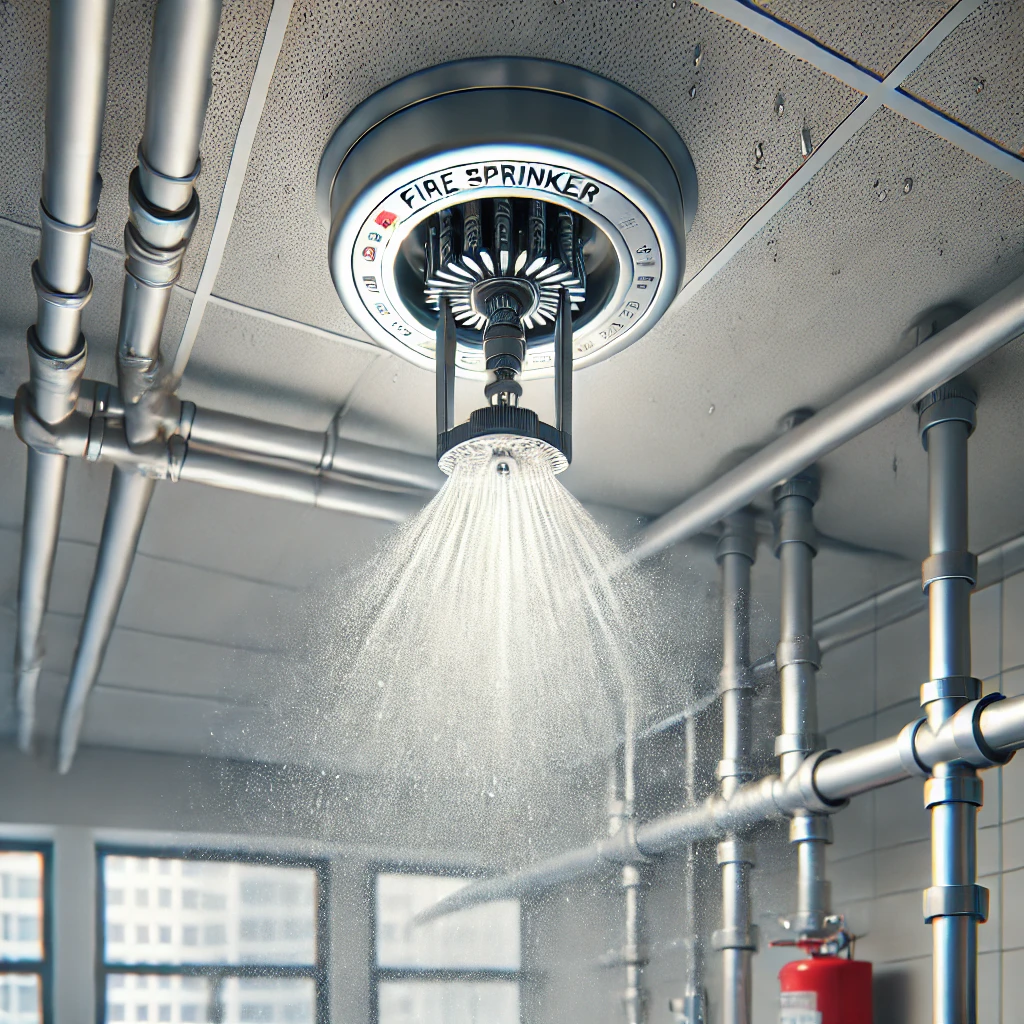
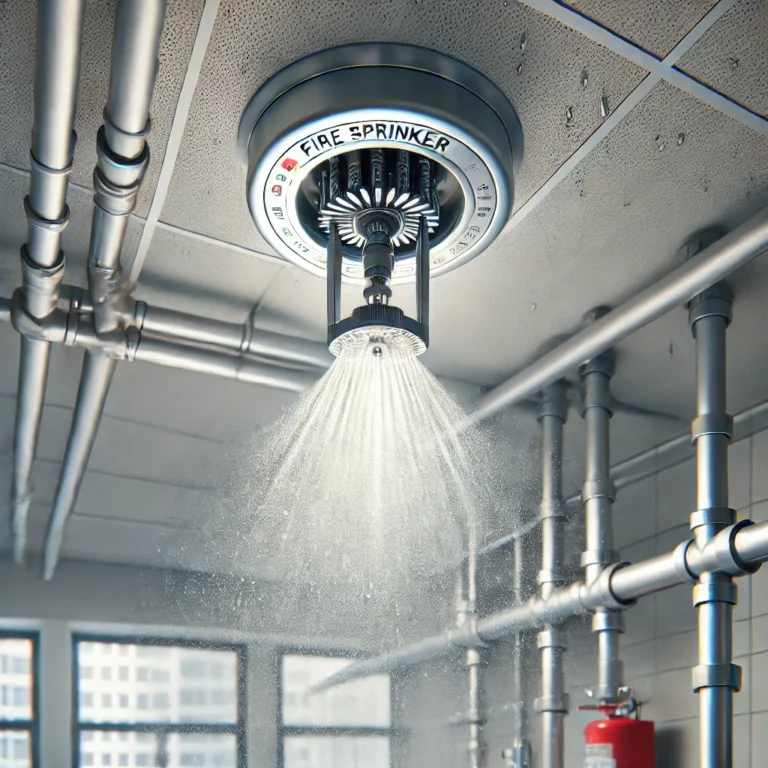
modern fire sprinkler system in action for your blog. It shows the sprinkler activated, releasing water to extinguish a fire. The background includes pipes and valves connected to the system, showcasing a clean and professional setting.

Understanding the Components of a Fire Sprinkler System

To fully appreciate how a fire sprinkler system operates, it’s essential to understand its key components. These parts work together to ensure a swift and efficient response to a fire.

1. Sprinkler Heads

The most visible part of the fire sprinkler system is the sprinkler head, which releases water when a fire is detected. There are different types of sprinkler heads:

  • Pendant Sprinklers: Mounted on ceilings, they direct water downward.
  • Upright Sprinklers: Installed on top of pipes, they spray water upward and are useful in areas with obstacles.
  • Sidewall Sprinklers: Positioned on walls, these distribute water in a half-circle pattern, perfect for tight spaces.

Each sprinkler head contains a heat-sensitive element, such as a glass bulb or fusible link, which reacts to rising temperatures. When the heat reaches a specific level, the element breaks, activating the sprinkler.

2. Pipes and Valves

Water is delivered to the sprinkler heads through a network of pipes, typically made of materials like steel or CPVC. The pipes are pressurized, ensuring quick water flow when needed. Valves, including the main control valve and alarm valve, regulate water distribution and monitor the system.

3. Water Supply

A reliable water supply is critical for any fire sprinkler system. Water may come from a municipal source, a fire pump, or a storage tank. Consistent pressure is essential to ensure enough water reaches the sprinklers during a fire.

4. Alarm and Control Panels

The control panel acts as the system’s brain, monitoring its status and alerting occupants when a sprinkler head is activated. Once triggered, the system sends an alarm to notify people in the building and emergency services of the danger.

How Do Fire Sprinklers Detect Fire?

Fire sprinkler systems are heat-activated, meaning they only activate when the temperature in the room reaches a certain threshold, ensuring they won’t respond to false alarms like smoke or dust.

Heat-Sensitive Elements

  • Fusible Links: These are metal components that melt when exposed to high temperatures.
  • Glass Bulbs: Contain liquid that expands when heated, causing the bulb to break and activate the sprinkler.

Activation Temperature

Most fire sprinkler heads activate when the surrounding air temperature reaches 155°F (68°C), although the specific activation temperature can vary depending on the environment.

Types of Fire Sprinkler Systems

There are several types of fire sprinkler systems, each designed for specific fire risks and environments.

1. Wet Pipe Systems

Wet pipe systems are the most common type. In these systems, water is always present in the pipes, ready to be discharged immediately when the sprinkler head is triggered. They are reliable, easy to maintain, and suited for many types of buildings.

2. Dry Pipe Systems

In dry pipe systems, the pipes are filled with pressurized air or nitrogen instead of water. When a sprinkler head is activated, the air is released, allowing water to flow through the pipes. These systems are used in colder climates where water in the pipes might freeze.

3. Pre-Action Systems

Pre-action systems require two triggers before water is released. First, a fire detection system opens a valve, allowing water to enter the pipes. Then, the sprinkler heads must be activated by heat. These systems are often used in areas where accidental water discharge could cause significant damage, like museums or data centers.

4. Deluge Systems

In deluge systems, all sprinkler heads are open, and the pipes remain dry until a fire is detected. When the fire alarm system is triggered, the pipes are flooded with water, and all sprinklers release water simultaneously. These systems are typically used in high-hazard environments like chemical plants.

mage representing a modern fire safety engineering setup, featuring advanced technologies such as AI-based control panels, IoT-connected fire alarms, and fire suppression systems.

Maintaining and Inspecting Fire Sprinkler Systems

Regular maintenance is vital to ensure your fire sprinkler system remains in good working order.

Importance of Regular Maintenance

Routine checks help identify potential issues like blockages, damaged heads, or faulty valves. Neglecting maintenance can lead to system failure during a fire, putting lives and property at risk.

Inspection Frequency

Fire sprinkler systems should be inspected at least once a year. However, more frequent inspections may be required based on local regulations or the building’s specific needs.

Common Maintenance Tasks

  • Checking for damaged or obstructed sprinkler heads.
  • Ensuring control valves are open and functioning correctly.
  • Clearing any debris from pipes that could block water flow.

Future Trends in Fire Sprinkler Systems

Advances in fire safety technology are leading to smarter, more efficient sprinkler systems. Smart fire sprinklers, equipped with sensors, can detect the exact location of a fire and adjust the water flow accordingly, reducing water damage. Remote monitoring systems are also becoming more common, allowing building managers to oversee sprinkler system performance and maintenance from a central location.

Conclusion

Fire sprinkler systems are essential for modern building safety, offering automatic fire suppression that saves lives and minimizes property damage. Understanding how these systems work, the types available, and how to maintain them ensures you’re better prepared in the event of a fire.

For more information on fire safety regulations, check out NFPA guidelines or explore our Fire Safety Guide for comprehensive resources on fire protection systems.

Fire sprinkler systems are a crucial line of defense in fire safety, offering automatic suppression to protect lives and property. Companies like SRJ Piping India specialize in designing and installing high-performance sprinkler systems tailored for industrial and commercial spaces. Regular fire safety maintenance ensures these systems remain operational and compliant with safety regulations.

To understand global fire safety standards, refer to NFPA 13 Fire Sprinkler System Standards for design and installation guidelines, and Bureau of Indian Standards (BIS) for compliance requirements in India. Proper installation and maintenance of fire sprinklers ensure maximum protection against fire hazards.

Need Expert Fire Sprinkler Installation?

SRJ Piping India specializes in precision-engineered fire sprinkler systems to protect your facility from the unexpected.

How to Choose the Right Fabrication Services for Your Needs

Metal Fabrication: How to Choose the Right Services for Your Project

Table of Contents

Choosing the right metal fabrication services can determine the success of your project, whether you’re constructing a new building, upgrading equipment, or customizing metal components. The quality of fabrication affects safety, durability, and efficiency. Making an informed decision will save you time, money, and frustration.

This guide will walk you through the key factors to consider when selecting the best metal fabrication service for your needs.

Safe and efficient chemical piping systems designed for industrial environments to ensure secure transport of hazardous materials.

Why Quality Metal Fabrication Matters

When choosing a metal fabrication company, quality is the top priority. Poorly fabricated components can lead to structural failures, higher maintenance costs, and compromised safety. Ensure that the company you choose has a reputation for delivering high-quality metalwork that meets industry standards.

Start by reviewing the company’s portfolio of completed projects. Look for clean cuts, precise dimensions, and smooth finishes. These factors indicate a high level of workmanship and attention to detail.

Learn more about metal fabrication quality standards.

Key Factors to Consider When Selecting Metal Fabrication Services

1. Proven Track Record and Certifications

Experience is key in the world of metal fabrication. Look for companies with a strong history of completing successful projects similar to yours. The company’s track record is a testament to its reliability and expertise.

Certifications such as ISO 9001 show that the company adheres to strict quality management systems, giving you peace of mind that the fabrication process will meet the necessary standards.

2. Advanced Technology and Equipment

The right tools make a difference. Ensure the company is equipped with the latest machinery and technology, such as CNC machines, laser cutting tools, and robotic welders. Companies that invest in advanced equipment can handle complex projects with greater precision and efficiency.

Discover how CNC technology revolutionizes metal fabrication.

3. Material Quality and Sourcing

The quality of raw materials directly impacts the finished product. Ensure the company uses high-grade steel, aluminum, or other metals from reputable suppliers. Poor-quality materials may lead to corrosion, weakening, and failures over time.

Types of Metal Fabrication Services

Before deciding on a fabrication service, understand the types of services they offer and how they align with your project needs.

  • Custom Fabrication: For unique projects that require special designs.

  • Structural Fabrication: Ideal for industrial buildings, bridges, and large-scale structures.

  • Sheet Metal Fabrication: Used in the automotive, aerospace, and consumer goods industries.

Explore more about the different types of metal fabrication services.

Customer Service and Communication

Effective communication is key to the success of your project. Choose a company that values transparency and customer service. They should provide detailed cost estimates, project timelines, and regular updates on the status of your project. A responsive company will ensure that any concerns or changes are addressed promptly.

4. Location and Capacity

While location isn’t everything, working with a nearby company can reduce transportation costs and streamline communication. Ensure the fabrication company has the capacity to handle the size and complexity of your project. This includes having a skilled workforce, ample space for production, and the necessary equipment.

Maintaining Your Fabricated Components

Once your project is complete, ongoing maintenance is essential to ensure your fabricated components remain in top condition. Regular inspections, cleaning, and repairs will extend the lifespan of your metal structures and keep them safe for long-term use.

Check out our guide on maintaining fabricated metal products.

Conclusion

Choosing the right metal fabrication service is crucial to achieving a successful project. By considering factors such as quality, technology, materials, and customer service, you can ensure that your project will be completed to the highest standards.

For more information on finding the best fabrication services, explore our Complete Metal Fabrication Guide


learn more

  • ISO 9001 Certification Guide
  • CNC Technology in Metal Fabrication

Types of Fabrication Services Explained.

Metal Fabrication Best Practices

Choosing the right fabrication services is essential for ensuring quality, durability, and compliance in your projects. Companies like SRJ Piping India offer customized structural fabrication solutions, catering to industrial and commercial needs. Additionally, integrating industrial piping systems ensures efficiency and seamless project execution.

For industry compliance and best practices, refer to AWS Structural Welding Standards for welding guidelines and Bureau of Indian Standards (BIS) for fabrication quality regulations. Selecting a certified and experienced fabrication provider guarantees superior performance and long-term reliability.

To know More Contact Us

Confused About Choosing the Right Fabricator?

SRJ Piping India helps you identify the ideal metal fabrication approach for your project—balancing quality, cost, and precision.

The Steel Fabrication Process: Key Benefits and Top Applications

The Steel Fabrication Process: Key Benefits and Top Applications

Table of Contents

Steel fabrication plays a crucial role in modern construction and manufacturing. This process involves cutting, shaping, and assembling steel into final products used in various industries. By choosing the right steel fabrication service, you can ensure that your project benefits from high-quality, precise, and durable steel structures.

In this guide, we’ll explore the steel fabrication process, the benefits of using steel, and common applications across different industries.

Steel Fabrication Process

The steel fabrication process is complex and requires careful planning at each step. By following these essential steps, fabricators turn raw steel into reliable products used in construction, automotive, and other industries.

  • Cutting & Bending First, steel is cut into specific sizes using laser cutting, plasma cutting, or sawing techniques. Precision is key here to ensure that each piece fits perfectly later in the process. After cutting, the steel undergoes bending to form the desired shapes. This step is crucial because properly bent steel ensures that the final product is structurally sound and aesthetically pleasing.
  • Assembling Once the steel is cut and bent, the pieces are assembled to form frames, supports, or other components. During this stage, it’s important that the parts align correctly. Skilled workers ensure that the assembly is both accurate and stable.
  • Welding Welding brings the steel components together into a solid, cohesive structure. Skilled welders use techniques like arc welding or gas welding to join the pieces. When done properly, this creates a strong bond that can withstand heavy loads and extreme conditions.
  • Quality Control Throughout the fabrication process, rigorous quality checks are conducted. Inspections are performed at each stage to ensure the steel meets industry standards. These checks help prevent defects and ensure that the final product is safe and reliable.
  • Surface Treatment To protect the steel from corrosion, it is coated with materials such as galvanizing or paint. This coating helps extend the steel’s lifespan, allowing it to withstand harsh environmental conditions.
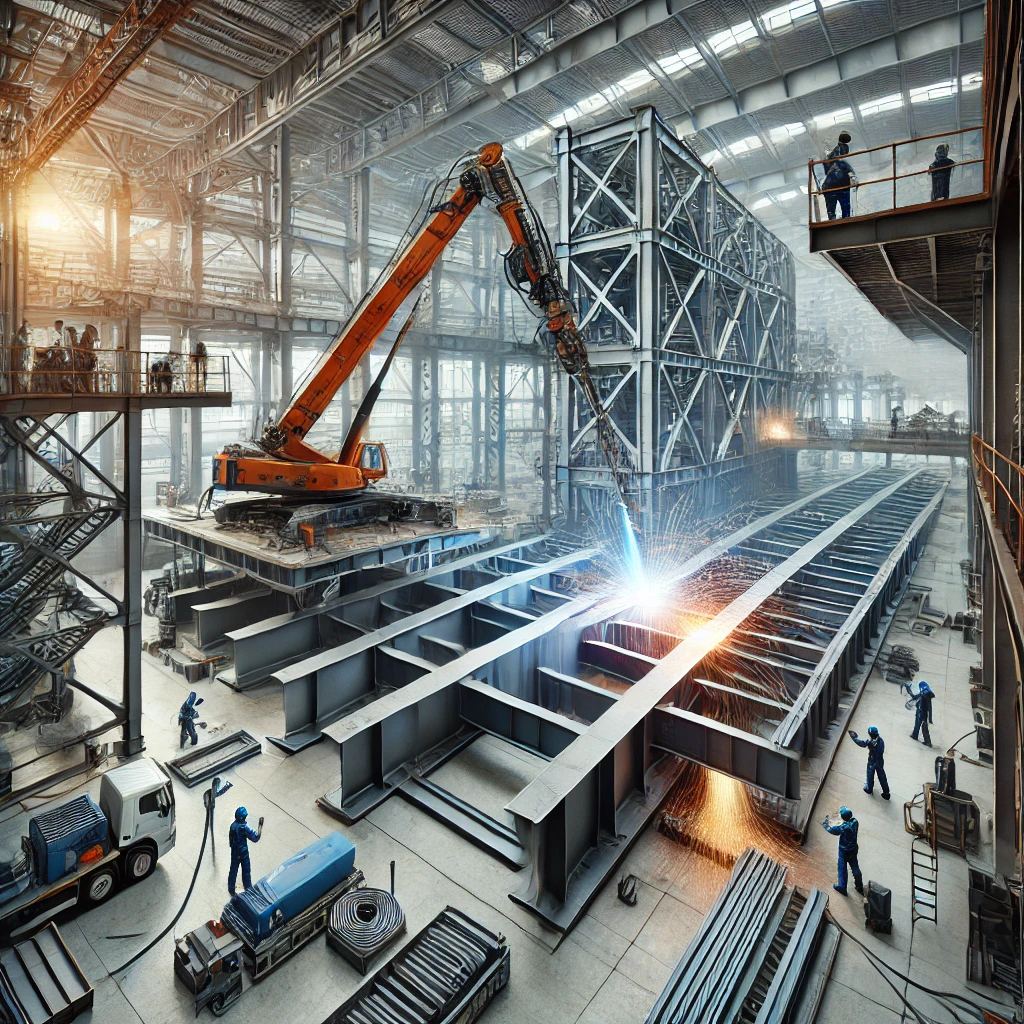
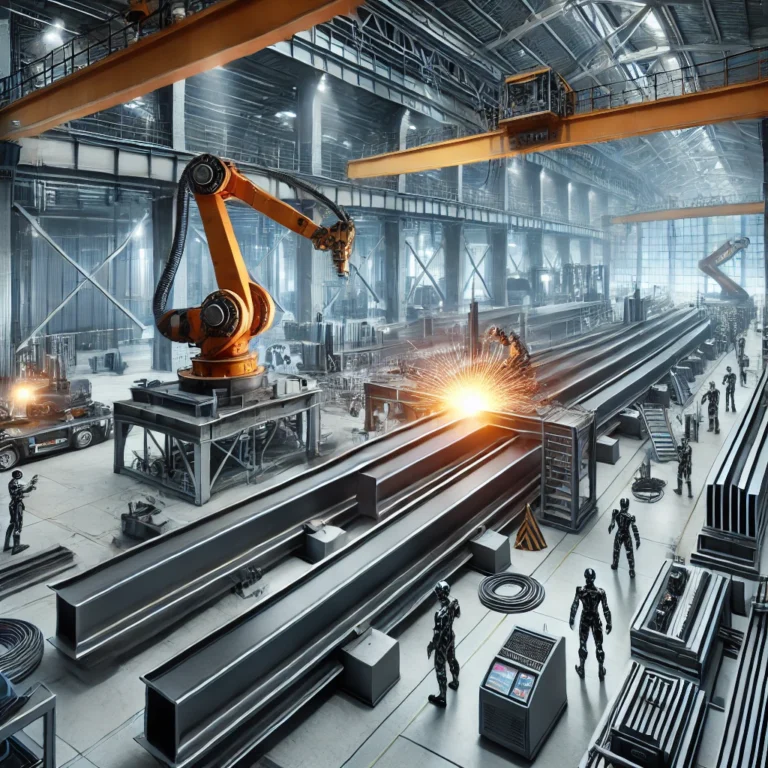
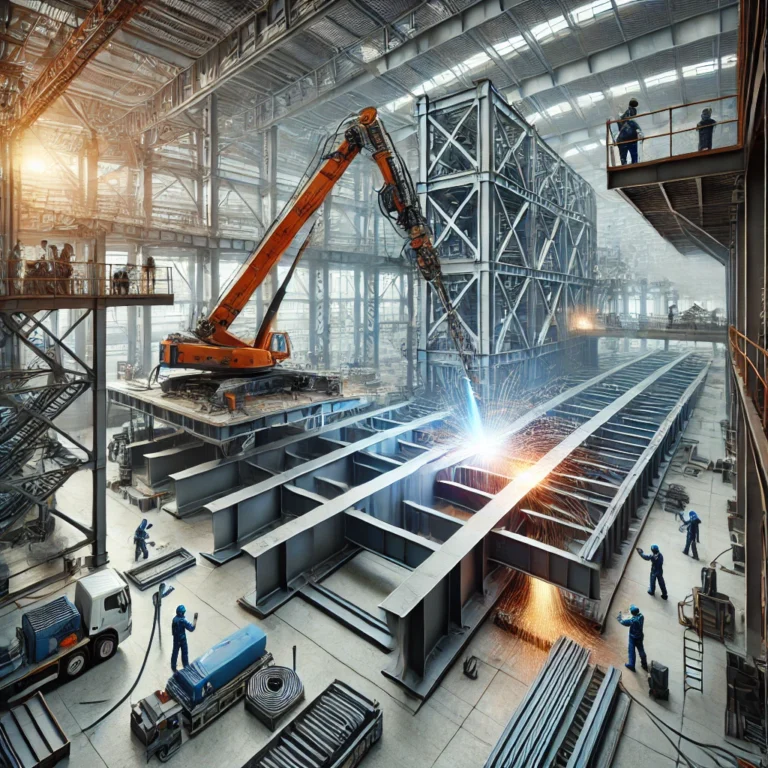
An industrial setting showcasing the heavy structural fabrication process, where large steel beams are being cut, welded, and assembled. Advanced machinery such as plasma cutters and robotic welding systems are in use, with workers actively participating. In the background, the steel framework of a building is under construction, accompanied by cranes and other equipment. The image emphasizes the creation of strong, durable structures in a clean and organized environment.

Benefits of Steel Fabrication

Steel fabrication offers a range of benefits that make it the preferred choice in many industries.

  • Durability Fabricated steel is highly durable and able to withstand extreme loads, making it ideal for construction and heavy machinery. Steel structures can resist damage from weather, fire, and other environmental factors.
  • Flexibility One of the key advantages of steel is its flexibility. Fabricators can mold steel into complex shapes, allowing for creative designs and innovative solutions. This flexibility makes it perfect for both large-scale projects and detailed, intricate designs.
  • Cost-Effectiveness Steel is lightweight compared to other building materials, which reduces transportation costs. Additionally, its strength and durability mean fewer repairs and replacements over time, leading to long-term cost savings.
  • Sustainability Steel is a fully recyclable material. By using recycled steel, companies can reduce the need for new raw materials and help protect the environment. This makes steel a sustainable choice for many projects.

Applications of Steel Fabrication

Steel fabrication plays a vital role in various industries. Some of the most common applications include: 

  • Construction Steel is widely used in building skyscrapers, bridges, and industrial facilities. Its strength and flexibility allow architects and engineers to design large, durable structures. Steel frames also reduce construction time, making them an efficient solution for large projects.Explore how steel improves construction efficiency.
  • Automotive Industry In the automotive sector, steel is essential for vehicle frames and parts. Fabricated steel ensures the production of safe, reliable vehicles that meet high performance standards.
  • Shipbuilding Ships and marine vessels rely on steel for their hulls and other key components. Steel’s corrosion resistance and strength make it ideal for shipbuilding, especially for vessels that operate in harsh marine environments.
  • Energy Sector Steel fabrication is critical in the construction of pipelines, oil rigs, and wind turbines. These energy infrastructure projects require materials that can withstand high pressure and extreme weather, making steel an excellent choice.
  • Aerospace Industry The aerospace industry demands lightweight, strong materials. Steel fabrication allows for the creation of components that ensure aircraft are both sturdy and efficient.

How to Choose the Right Fabrication Service

Selecting the right fabrication service can make or break your project. Here are a few things to consider: 

  • Experience and Expertise Look for a company with experience in your industry. Their knowledge will ensure they understand your specific needs and deliver results that meet your expectations.
  • Technology and Equipment Advanced technologies like CNC machines and automated welding systems provide better accuracy. Choose a company that invests in state-of-the-art equipment to ensure precision and efficiency.
  • Certifications and Standards Make sure the fabrication company complies with industry standards and has certifications like ISO 9001. This ensures they follow quality management practices and produce high-quality products.Find out how ISO 9001 Certification improves product reliability.

Conclusion

Steel fabrication is an essential part of construction, manufacturing, and other industries. It offers durability, flexibility, and cost-efficiency, making it an ideal material for various projects. By understanding the fabrication process and the benefits of using steel, you can make informed decisions when selecting a fabrication partner.

Whether you’re working on a large construction project or designing machinery, choosing the right steel fabrication service will ensure the success and longevity of your project.

Learn more about us

  1. Structural Steel Fabrication Techniques and Applications
    This blog provides a deeper dive into specific techniques and applications of structural steel fabrication, complementing the discussion on the steel fabrication process.
  2. Benefits of Heavy Structural Fabrication for Construction Projects
    This blog expands on the advantages of heavy structural fabrication, offering insights into how steel fabrication supports large-scale construction projects.

 Know more about usefull external resources 

  1. American Institute of Steel Construction (AISC) – Steel Construction Resources
    AISC provides authoritative resources on steel construction and fabrication, offering valuable technical insights for professionals in the industry.
  2. American Welding Society (AWS) – Welding Journal
    The AWS Welding Journal offers detailed articles and research on welding techniques, a critical aspect of steel fabrication processes.

Related Blog

An Introduction to Structural Fabrication
This blog serves as a foundational guide to structural fabrication, providing additional context and background for readers interested in steel fabrication processes.


Looking for Reliable Steel Fabrication Services?

SRJ Piping India delivers precision-driven steel fabrication for structural strength, durability, and project efficiency.